
Armand clematis (Clematis armandii)
Also known as: Evergreen Clematis, Armand Clematis
Clematis armandii, named after the French botanist Père Armand David, is an evergreen vine known for its attractive white blossoms. These fragrant flowers make it a popular choice for gardens and are particularly enticing to hummingbirds, bees, butterflies, and other pollinators.
Attributes of Armand clematis
Images of Armand clematis
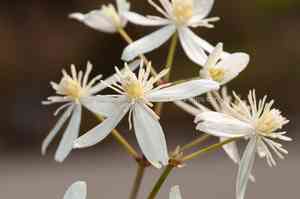
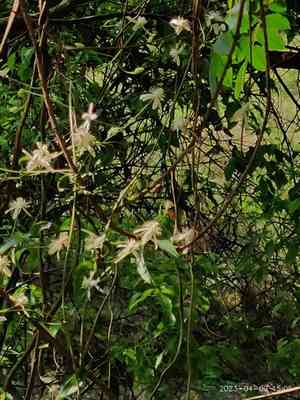
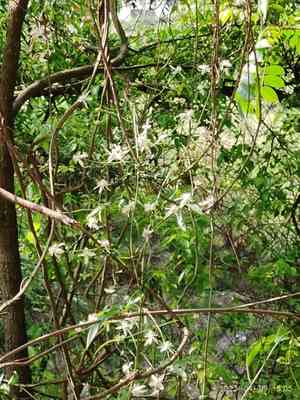
Quickly Identify Armand clematis
Scientific Classification of Armand clematis
Planting and Growing of Armand clematis
 How to Water Armand clematis?
 What Are the Sunlight Requirements for Armand clematis?
 What Is the Ideal Temperature Range for Armand clematis?
 What Soil is Best for Armand clematis?
 How to Fertilize Armand clematis?
 How to Prune Armand clematis?
 How to Propagate Armand clematis plant?
 How to Repot Armand clematis plant?
Toxicity of Armand clematis
Is Armand clematis toxic to humans?
Armand clematis exhibits a moderate level of toxicity to humans, with the entire plant posing a danger. Contact with the skin or accidental ingestion can result in poisoning due to the presence of protoanemonin. Touching armand clematis may lead to dermatitis, whereas ingestion can cause significant gastrointestinal distress. Symptoms of poisoning encompass mouth pain, nausea, vomiting, diarrhea, and in certain cases, hematemesis. The intensity of symptoms may vary depending on the quantity of exposure and individual sensitivity. It is essential for individuals to refrain from consuming or handling armand clematis to mitigate the risk of poisoning.
Is Armand clematis toxic to cat?
Armand clematis possesses a moderate level of toxicity for cats. Cats may be exposed to this toxic plant through direct contact or accidental ingestion of any part of it, as every part of the plant holds harmful properties. The toxicity is attributed to a compound called protoanemonin. Following exposure, cats may demonstrate signs of physical discomfort or illness, which may encompass a variety of symptoms. It is essential to seek immediate veterinary assistance if a cat displays any signs of distress after being in contact with or consuming armand clematis. To safeguard your cat, it is advisable to keep armand clematis out of their reach due to its potential health hazards.
Is Armand clematis toxic to dog?
Armand clematis is recognized as having a moderate toxicity level for dogs. Exposure to this plant can happen through several routes, including direct skin contact or ingestion if a dog inadvertently consumes any part of it. All sections of the armand clematis contain toxic compounds, rendering every part potentially dangerous for canines. When a dog is poisoned by armand clematis, it may show symptoms such as gastrointestinal distress, excessive salivation, vomiting, diarrhea, and possibly skin irritation due to contact. The compound causing these adverse reactions in dogs is referred to as protoanemonin. If you suspect that your dog has come into contact with or ingested armand clematis, it is crucial to seek immediate veterinary attention to secure the best potential outcome for your pet.



