How to Propagate Armand clematis?
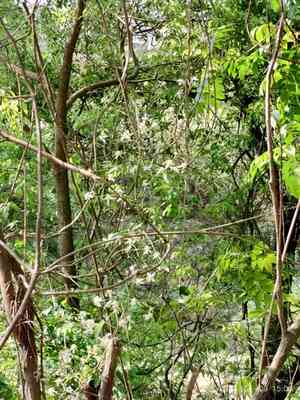
Armand clematis flourishes when reproduced via cuttings. To boost the likelihood of success, choose robust, healthy stems from the present or prior year's growth, making sure each cutting has a minimum of 2-3 nodes. A rooting stimulant can be applied to encourage root formation. Insert cuttings into a well-draining, damp substrate under diffused light until roots are firmly established, then relocate them to an appropriate spot in the garden.
When Is the Optimal Time to Propagate Armand Clematis?
Propagation Method
Cutting
Propagation Period
Spring,Summer
What Implements Are Utilized in Armand Clematis Propagation?
Sharp Pruning Shears
Crucial for obtaining robust, clean sections from armand clematis, sharp pruning shears minimize harm and disease risk to the parent plant during cutting. They guarantee a precise cut, which is essential for the successful rooting of new armand clematis plants.
Rooting Hormone Powder
Encourages quicker, healthier root formation on armand clematis cuttings. This aid significantly boosts the probability of successful propagation by prompting the cuttings to develop roots more rapidly and vigorously.
Sterile Potting Mix
Offers a disease-free environment vital for the delicate initial phases of armand clematis root growth. The sterile potting mix supports adequate moisture retention and aeration, which are key for the rooting of armand clematis cuttings.
Plant Pots with Drainage Holes
Used to house each cutting in a regulated setting beneficial for root establishment. The drainage holes are critical to prevent waterlogging, which is detrimental to armand clematis root health and growth after propagation.
Plastic or Glass Cover
Generates a miniature greenhouse effect around the armand clematis cuttings, sustaining elevated humidity levels which are essential for fostering root growth in the initial stages of development. This tool helps prevent moisture loss and shield the delicate cuttings from environmental stress.
How to Propagate Armand Clematis?
Propagation Difficulty
Moderately Difficult
How to Nurture Your Newly Propagated Armand Clematis?
How to Nurture Your Newly Propagated Armand Clematis?
Once roots have formed, gradually introduce armand clematis to drier conditions by removing the plastic cover for increasing durations daily. After 4-6 weeks, when the roots are well-developed, transplant armand clematis into a larger container or directly into the ground in a spot that receives partial to full sunlight. Ensure the soil is well-draining and rich in organic matter. Consistent watering should be maintained, especially during dry periods. Mulching around the base can help retain soil moisture and suppress weeds. Armand clematis benefits from annual feeding in early spring with a balanced fertilizer to support vigorous growth.
Common Errors to Avoid When Propagating Armand Clematis
Incorrect Cutting Selection
Choosing unsuitable sections of armand clematis for cuttings can lead to poor rooting and growth. Young, non-woody stems or overly mature, woody stems both have less success in rooting.
Excessive Watering
While cuttings of armand clematis require moist conditions, too much water can lead to fungal diseases and root rot, severely hindering propagation success.
Ignoring Humidity
Neglecting the need for high humidity when propagating armand clematis can cause the cuttings to dry out, leading to poor root development and increased mortality.
Advice For Propagating Armand Clematis
Choose Semi-Hardwood Cuttings
Select semi-hardwood cuttings from armand clematis, which are taken from new growth that has begun to firm up. These have a higher success rate for rooting compared to very young or fully mature stems.
Utilize Rooting Hormone
Applying a rooting hormone to the cut end of armand clematis's cuttings can significantly enhance root development and accelerate the rooting process, increasing the overall success rate of propagation.
Maintain Appropriate Humidity
Enclosing armand clematis cuttings in a plastic bag or using a humidity dome helps maintain high humidity around the cuttings, which is crucial for encouraging root growth without over-wetting the soil.



