How to Transplant Beaked clarkia?
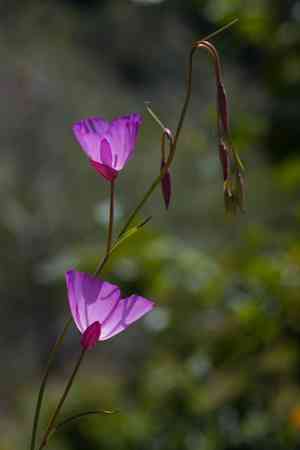
For beaked clarkia, the ideal period for relocation is during the initial to middle stages of spring once the ground temperature has risen. Select a bright location featuring soil that drains effectively. Exercise caution during handling to prevent upsetting the roots and encourage robust development.
What Preparations are Needed Before Transplanting Beaked Clarkia?
What is the Ideal Time for Transplanting Beaked Clarkia?
Beaked clarkia is best moved in early to mid-spring. This timing allows root establishment before summer heat, fostering robust growth and abundant blooms. Transplanting in cooler, moderate temperatures minimizes plant stress, ensuring healthier, more vigorous development.
How Much Space Should You Leave Between Beaked Clarkia Plants?
For optimal growth of your beaked clarkia plants, position them 6-12 inches (15-30 cm) apart. This spacing provides ample room for development and prevents overcrowding.
What is the Best Soil Mix for Beaked Clarkia Transplanting?
Prepare a soil that drains well, enriched with compost and organic matter. Beaked clarkia plants prefer a pH from slightly acidic to neutral. Incorporating a balanced base fertilizer (e.g., 10-10-10) can supply vital nutrients.
Where Should You Relocate Your Beaked Clarkia?
Select a sunny location for relocating your beaked clarkia plants. They require full sun exposure, ideally 6-8 hours daily. Ensure the site has good air circulation to maintain plant health.
What Equipments Should You Prepare Before Transplantation Beaked Clarkia?
Gardening Gloves
To safeguard your hands while handling soil and plants.
Shovel or Spade
For excavating the transplant hole and lifting the plant from its initial spot.
Hand Trowel
A smaller implement useful for precise tasks in confined areas.
Watering Can or Hose
To hydrate the plant both before and after its relocation.
Bucket or Container
Helpful for moving the plant if it needs to travel a greater distance.
Stakes and Ties
To offer support to the plant if necessary post-transplantation.
How Do You Remove Beaked Clarkia from the Soil?
How Do You Remove Beaked Clarkia from the Soil?
From Ground: First, moisten the soil around the beaked clarkia plant. Then, use a shovel or spade to dig a wide trench, ensuring the root ball remains intact. Carefully work the spade beneath the root ball to lift the plant from its original spot.From Pot: Gently tap the pot's sides to loosen the soil. Tilt the pot and carefully slide the beaked clarkia plant out, supporting the stem's base and loosening soil around the edges.From Seedling Tray: Use a hand trowel to carefully lift the seedling from the tray. Handle the beaked clarkia plant by its leaves to prevent stem damage.
Step-by-Step Guide for Transplanting Beaked Clarkia
Site Preparation
Prepare the new planting area by digging a hole that is twice as wide and slightly deeper than the plant's root ball.
Amending Soil
If necessary, blend compost or organic matter into the excavated soil to enhance drainage and fertility.
Plant Removal
Carefully extract the beaked clarkia plant from its initial location as detailed in the removal instructions.
Placing Plant
Position the beaked clarkia plant in the transplant hole at the same depth it was growing previously. The top of the root ball should be level with or slightly above the ground.
Filling the Hole
Backfill the hole with the amended soil, gently pressing it down to eliminate any air pockets.
Watering In
Thoroughly water the newly transplanted beaked clarkia to settle the soil around its roots.
How Do You Care For Beaked Clarkia After Transplanting?
Watering
Keep the soil around the beaked clarkia consistently damp, but not waterlogged, for the initial weeks post-transplant to aid in strong root development.
Mulching
Apply a layer of mulch around the plant's base to help retain moisture and inhibit weed growth.
Monitoring
Regularly inspect the beaked clarkia for any indications of stress or pest infestations and address them promptly.
Staking
If the plant appears unstable or if your region experiences strong winds, use stakes and ties to provide necessary support.
Troubleshooting Common Issues with Beaked Clarkia Transplantation.
When is the best time to transplant beaked clarkia?
Early to mid-spring is the optimal period for transplanting beaked clarkia to ensure successful establishment.
What's the ideal spacing for transplanting beaked clarkia?
Space beaked clarkia plants approximately 6-12 inches (15-30 cm) apart for healthy growth and air circulation.
How deep should I plant beaked clarkia seedlings?
Plant beaked clarkia seedlings at the same depth they were in their original containers for optimal results.
What if beaked clarkia seedlings are wilting after transplant?
Ensure they are well-watered immediately after transplanting and kept moist, but not saturated.
Can I transplant beaked clarkia directly into the garden?
Yes, you can transplant beaked clarkia directly into the garden once the last frost has passed.
What type of soil is best for beaked clarkia?
Beaked clarkia thrives in well-draining soil. Loamy or sandy soils are most suitable for effective growth.
How can I reduce transplant shock for beaked clarkia?
Water the plant thoroughly and minimize root disturbance during the transplantation process.
What to do if beaked clarkia shows stunted growth?
Ensure the plant receives adequate light and check soil fertility. Adding compost can sometimes help.
Are there any pests to watch out for during transplantation?
Be vigilant for aphids and snails. Regularly inspect your beaked clarkia plants and take action if needed.
How should I prepare beaked clarkia for transplanting?
Harden off beaked clarkia seedlings by gradually exposing them to outdoor conditions over a period of 7-10 days.



