How to Prune Beaked clarkia?
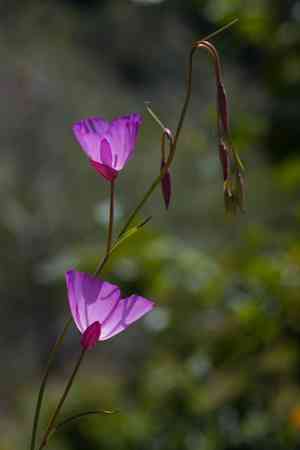
Distinguished by its vivid, fragile blossoms, beaked clarkia flourishes with consistent trimming for peak development. Perform pruning during spring, summer, and autumn to eliminate faded flowers and stimulate fresh shoots. Concentrate on shortening elongated stalks to preserve a dense form. Prompt trimming aids in better air movement and deters ailments. Refrain from extensive pruning in late autumn to safeguard against winter strain. These methods boost flowering and vitality, guaranteeing a thriving, sturdy specimen.
What Are the Benefits of Pruning Beaked Clarkia?
What Are the Benefits of Pruning Beaked Clarkia?
Pruning beaked clarkia encourages robust development and helps maintain its form. Trimming aids in managing its size, boosts flowering, deters illnesses, and keeps the plant looking appealing and thriving.
What Is the Best Time for Pruning Beaked Clarkia?
What Is the Best Time for Pruning Beaked Clarkia?
Trimming or cutting back beaked clarkia during spring, summer, and fall aligns with its natural growth cycle and biological requirements. In spring, pruning assists in shaping the plant and stimulates new growth as beaked clarkia enters its active phase. During summer, light trimming can preserve the plant's health and appearance without impeding its bloom period. Fall is an ideal time for more substantial pruning, as beaked clarkia begins dormancy, lessening stress risk and allowing it to recover and prepare for the next growth cycle. These seasons ensure pruning occurs when beaked clarkia can best endure and benefit, enhancing its overall health and bloom potential.
What Tools Do I Need to Prune Beaked Clarkia?
Hand Pruners
Perfect for making precise cuts on the flexible, soft stems of beaked clarkia. They offer accuracy, vital for removing spent flowers and shaping the plant without causing harm.
Thinning Shears
Useful for deadheading and removing finer stems. Their slender blades allow for detailed work and can reach inner parts of beaked clarkia without disturbing the rest of the plant.
Gloves
Crucial for protecting hands from any potential irritation or cuts while working on beaked clarkia. Comfortable, flexible gloves enable better handling of pruning tools.
Sanitizing Solution
Important for sterilizing pruning tools before and after use to prevent disease spread. Regular sanitization ensures beaked clarkia remains healthy and vigorous.
How to Prune Beaked Clarkia
Inspect
Start by carefully examining beaked clarkia to identify any withered leaves. This initial check ensures only necessary parts are pruned, preserving the plant's overall health.
Clean Tools
Sterilize your pruning shears or scissors before you begin trimming to prevent the spread of disease. Clean tools help maintain the plant's health.
Locate Base
Find the base of each withered leaf. Trace the leaf stem back to its connection with the main plant body to ensure clean cuts.
Cut Angle
Make a clean, angled cut about ¼ inch above where the withered leaf joins the main stem. This allows for better water runoff and reduces infection risk.
Remove Debris
Dispose of all pruned material away from beaked clarkia to prevent any potential diseases from spreading.
Common Pruning Mistakes with Beaked Clarkia
Improper Technique
Using dull or dirty pruning shears can cause jagged cuts that damage the plant. Additionally, cutting too close to the main stem can harm the plant, hindering its growth.
Pruning Too Much
Removing excessive foliage can stress the plant and reduce its ability to photosynthesize, potentially impacting its health and flowering capabilities.
Inconsistent Pruning
Failing to prune regularly can lead to overgrown plants that are prone to diseases and pests. It's important to maintain consistent pruning practices to encourage the plant's health.
Common Pruning Tips for Beaked Clarkia
Use Clean, Sharp Tools
Always use sharp and clean pruning shears to make precise cuts, minimizing damage to the plant. Sanitize tools between cuts to prevent the spread of disease.
Make Clean Cuts
Prune just above a leaf node or bud to encourage new growth. Ensure cuts are clean and angled slightly away from the bud to facilitate water runoff and reduce the risk of infection.
Moderate Pruning
Avoid removing more than one-third of the plant at a time. This rule helps reduce plant stress and ensures it has enough foliage to sustain its growth and vitality.
Maintain Plant Shape
Regularly remove dead or damaged branches to maintain the plant's shape and promote air circulation. This practice also helps to prevent disease and pest infestations.
Observe The Plant
Pay attention to the plant's response after pruning. If it seems stressed or isn't recovering well, adjust your pruning approach accordingly. Healthy plants usually show robust growth post-pruning.



