How to Propagate Beaked clarkia?
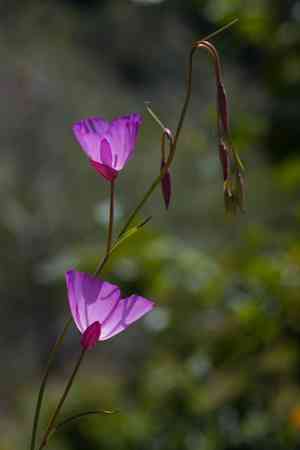
Clarkia rostrata, an attractive annual wildflower native to California, is recognized for its prominent pink to purple blossoms. To cultivate, directly plant the seeds in soil that drains effectively and receives abundant sunlight. Maintain a slightly damp soil condition until sprouting begins. Space out young plants to enhance air movement and deter illness. Periodically check for insects and provide moderate watering. This approach guarantees a thriving and colorful display of Clarkia rostrata within a garden environment.
What Is the Best Time To Propagate Beaked Clarkia?
Propagation Type
Seeding
Propagation Season
Spring
What Tools Are Used in Beaked Clarkia Propagation?
Seed Trays or Flats
These containers hold the growing medium and seeds, offering an organized and regulated setting for beaked clarkia's initial growth phases. Their drainage holes ensure proper moisture, reducing the risk of damping-off disease.
Seedling Heat Mat
Guarantees a steady and ideal temperature for seed sprouting. Beaked clarkia seeds benefit from the warmth provided by a seedling heat mat, which speeds up germination and encourages uniform development.
Spray Bottle or Misting System
Used for gently watering seeds and young plants. A spray bottle or misting system helps maintain necessary moisture levels without displacing seeds or compacting the soil, which is vital for the delicate seeds of beaked clarkia.
Seed Starting Mix
A light, sterile, and well-draining substrate suitable for planting seeds. A quality seed starting mix promotes good root growth and minimizes disease risk, making it perfect for starting beaked clarkia seeds.
Humidity Dome
Placed over seed trays to maintain a high moisture environment, which is crucial for the germination of beaked clarkia seeds. A humidity dome prevents seeds and seedlings from drying out, encouraging successful sprouting.
Grow Light
Provides consistent illumination for photosynthesis, especially important if natural light is insufficient. A grow light ensures that beaked clarkia seedlings receive the optimal light spectrum needed for healthy development.
Labeling Stakes
Used to identify different plant varieties and track growth progress. Labeling stakes assist in monitoring beaked clarkia's development and ensure correct identification during transplanting.
Fine-tip Tweezers or Seed Sower
Helpful for handling and planting tiny seeds with precision. Using fine-tip tweezers or a seed sower ensures even distribution and proper spacing of beaked clarkia seeds, which is important for their germination success.
How to Propagate Beaked Clarkia?
Propagation Type
Simple
How to Care for Your Newly Propagated Beaked Clarkia?
How to Care for Your Newly Propagated Beaked Clarkia?
Once seedlings are established, continue to water beaked clarkia regularly, but allow the soil to dry slightly between waterings to prevent root rot. Provide ample sunlight and occasionally add a balanced, all-purpose fertilizer to promote vigorous growth. Monitor for pests and diseases, and remove any affected plant parts promptly. Remove spent flowers to encourage extended blooming.
Common Mistakes to Avoid When Propagating Beaked Clarkia
Overwatering
Excessive moisture can lead to root decay and fungal infections, potentially killing the plant or severely impeding its growth.
Poor Soil Drainage
Soil that doesn't drain well can retain too much water, suffocating roots and causing problems similar to overwatering.
Incorrect Seed Depth
Planting seeds too deep can hinder germination, while planting them too shallow can expose them to pests and environmental stress.
Inadequate Light
Insufficient light can result in weak, leggy seedlings that are unable to support themselves or thrive.
Neglecting Temperature Requirements
Failing to provide the ideal temperature range can lead to poor germination and slow growth, as beaked clarkia is sensitive to temperature changes.
Tips For Propagating Beaked Clarkia
Use Well-Draining Soil
Ensure the soil mixture has good drainage properties to prevent water accumulation and root rot.
Water Moderately
Water the plant just enough to keep the soil moist but not waterlogged to avoid root problems.
Plant at Correct Depth
Sow seeds just below the soil surface at a shallow depth to ensure proper germination and protection from external elements.
Provide Adequate Light
Place the plant in a location where it can receive full sunlight for at least six hours a day to promote vigorous growth.
Monitor Temperature
Maintain a consistent and suitable temperature range to support the seed's germination and seedling development without stressing the plant.



