How to Transplant Red ribbons?
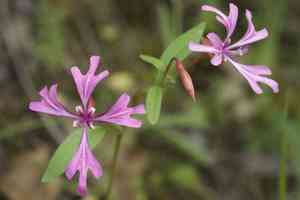
Move red ribbons once spring invigorates the environment, generally from the lively period of March through the flowering of May. Select a location bathed in sunlight with soil that drains effectively. Bear in mind, a delicate approach guarantees a smooth shift to a different site.
What Preparations are Needed Before Transplanting Red Ribbons?
What is the Ideal Time for Transplanting Red Ribbons?
The most favorable period for relocating red ribbons is from the onset of early spring through the more pleasant days of late spring. During this renewal phase, nature's mild temperatures and increasing daylight encourage root development and growth. Moving red ribbons in these months enhances their chances of flourishing, as the moderate climate prevents the stress of summer's intense heat or winter's severe cold. A friendly tip for fellow gardeners: utilize this time to introduce red ribbons to your garden, as they will reward you with vibrant blooms and a smooth transition to outdoor beauty!
How Much Space Should You Leave Between Red Ribbons Plants?
When relocating your red ribbons, aim for a separation of approximately 6-12 inches (15-30 cm) between them. This will provide ample room for your plants to expand and thrive!
What is the Best Soil Mix for Red Ribbons Transplanting?
For your red ribbons, prepare a planting area with soil that drains effectively. A suitable blend might be loamy soil enriched with some organic compost. Prior to planting, incorporate a balanced, slow-release fertilizer to give your red ribbons an excellent start!
Where Should You Relocate Your Red Ribbons?
Select a sunny location that receives at least 6 hours of direct sunlight daily for your red ribbons. They flourish in bright conditions, which promotes abundant blooming. An east or west-facing spot is perfect for these radiant flowers!
What Equipments Should You Prepare Before Transplantation Red Ribbons?
Gardening Gloves
To safeguard your hands while handling soil and plants.
Trowel
For excavating and moving the red ribbons to its new site.
Watering Can
To hydrate the red ribbons before and after relocation.
Pruning Shears
For trimming any damaged roots or foliage.
Measuring Tape
To ensure correct spacing between plants during transplantation.
Garden Fork
To loosen the soil around the red ribbons in its initial spot.
Plant Supports/Stakes
To offer stability for red ribbons if needed post-transplant.
How Do You Remove Red Ribbons from the Soil?
How Do You Remove Red Ribbons from the Soil?
From Ground: First, moisten the red ribbons plant to soften the soil. Then use a garden fork to gently loosen the soil surrounding the plant, being careful not to harm the root ball. Carefully lift the plant from its original position.From Pot: Hydrate the red ribbons in its container before beginning. Tilt the pot sideways and gently tap it to dislodge the plant. Support the plant at its base and slowly ease it out.From Seedling Tray: Water the seedlings to make the soil pliable. Use a trowel or your fingers to carefully extract individual red ribbons seedlings, ensuring minimal root disturbance.
Step-by-Step Guide for Transplanting Red Ribbons
Preparation
Before starting, confirm you have all necessary tools ready. Wear your gardening gloves to protect your hands.
Root Pruning
Inspect the red ribbons's roots and trim any that are damaged or excessively long, using pruning shears.
Hole Digging
Using a trowel, excavate a hole in the new planting site that is twice the width and roughly the same depth as the red ribbons's root ball.
Planting
Position the red ribbons in the hole carefully, centering it so the top of the root ball is level with the surrounding ground.
Soil Refilling
Gently backfill the hole with the removed soil, firming it around the red ribbons's root ball to eliminate any air pockets.
Watering
After transplanting, thoroughly water the red ribbons to help settle the soil around the roots and aid in recovery from transplant shock.
Staking
If the red ribbons plant is tall, or if strong winds are anticipated, insert plant supports or stakes into the ground near the plant for added stability.
How Do You Care For Red Ribbons After Transplanting?
Mulching
To help retain moisture and inhibit weed growth, apply a layer of organic mulch around the base of the red ribbons, taking care not to let it touch the stem.
Support Maintenance
Check stakes and supports regularly, adjusting them as needed to ensure the red ribbons continues to grow upright and is shielded from strong winds.
Observation
Monitor the red ribbons for any indications of stress, such as wilting or discolored leaves, and address issues promptly to ensure healthy development.
Regular Watering
Maintain a consistent watering schedule, allowing the soil to dry slightly between waterings, to encourage deep root growth.
Troubleshooting Common Issues with Red Ribbons Transplantation.
Why are my red ribbons seedlings wilting after transplanting?
Wilting after relocation often stems from root disruption. Handle roots gently and water thoroughly to ease the adjustment.
When's the best time to transplant red ribbons for optimal growth?
The ideal period to transplant red ribbons is from early to mid-spring, when the soil is sufficiently warm for root establishment.
Can I transplant red ribbons during summer or fall?
Relocating red ribbons in summer or fall is less favorable; it thrives when settled during cooler, moist spring conditions.
What spacing should I use between red ribbons plants for healthy growth?
Space red ribbons seedlings approximately 6-12 inches (15-30 cm) apart to provide adequate room for development.
My red ribbons looks shocked after transplanting, what should I do?
Minimize transplant shock by keeping the soil moist and avoiding direct sun exposure for the initial few days.
How deep should the hole be when transplanting red ribbons?
Dig a hole for red ribbons just deep enough to accommodate the root ball, ensuring the crown remains at soil level.
Is it okay to transplant red ribbons on a rainy day?
Transplanting red ribbons on a cloudy or rainy day can reduce stress and help the plant adapt to its new location.
What kind of soil is best for transplanting red ribbons?
Plant red ribbons in well-drained, fertile soil with a good blend of organic matter to support its development.
How much water does red ribbons need after transplanting?
Water red ribbons generously immediately after transplanting and maintain consistent moisture without saturating the soil.
Why isn't my transplanted red ribbons growing properly?
Incorrect planting depth, insufficient watering, or poor soil conditions can hinder red ribbons's growth. Adjust care accordingly.



