Enhancing Your Garden Design with the Red ribbons Plant: A Landscaping Guide
1
Red ribbons adds vivid hues and distinct textures to any outdoor space.
2
Its ability to withstand dry conditions makes Red ribbons ideal for water-wise landscaping.
3
Red ribbons aids in preserving local wildlife and encourages responsible water usage.
Appreciating the Aesthetic Charm of Red ribbons
An introduction to the striking hues of Red ribbons
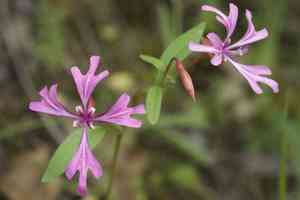
Red ribbons is celebrated for its captivating and brilliant colors that effortlessly brighten any garden setting. The intense shades of its blossoms range from delicate pinks to deep reds, creating a stark contrast against the verdant backdrop of your garden. These vibrant colors not only enhance beauty but also draw in pollinators like bees and butterflies, boosting your garden's ecological value.
The distinctive leaf texture of Red ribbons
Beyond its colorful flowers, Red ribbons boasts unique foliage that adds an intriguing textural element to any garden design. The leaves of Red ribbons are typically slender and slightly serrated, offering a delicate, airy look that complements various other garden plants. This singular foliage can break up the uniformity of similar leaf shapes and sizes, adding depth and visual interest to your landscape.
Seasonal shifts in appearance
Red ribbons undergoes remarkable seasonal transformations that can keep your garden vibrant and ever-changing. In spring and summer, it bursts into bloom, offering vivid flowers. As seasons transition to autumn and winter, the foliage may alter its color, providing a subtle shift in your garden's palette. This seasonality ensures your garden remains visually appealing throughout the year.
Incorporating Red ribbons into Diverse Landscape Styles
Enhancing formal garden designs
Red ribbons can seamlessly integrate into formal garden environments with its structured growth habit and vivid blooms. Whether arranged symmetrically or as part of a more intricate design, Red ribbons can elevate the elegance and sophistication of a formal garden. Its vibrant colors can serve as focal points or accents that attract the eye and foster a sense of order and beauty.
Improving cottage-style landscapes
Cottage gardens, known for their relaxed and informal character, greatly benefit from the inclusion of Red ribbons. The plant's colorful blossoms and textured foliage can be used to create charming, whimsical spaces that embody the cottage garden spirit. Plant Red ribbons alongside other traditional cottage plants like roses and lavender to cultivate a lush, romantic landscape.
Red ribbons in xeriscaping: A water-wise option
Red ribbons is an excellent choice for xeriscaping, an environmentally friendly landscaping approach that minimizes water use. Its drought-tolerant nature means it can thrive in arid conditions without excessive watering, making it a sustainable option for water-conscious gardeners. Incorporating Red ribbons into xeriscapes not only conserves water but also adds vibrant color and texture to what might otherwise be a sparse-looking garden.
The Role of Red ribbons in Seasonal Garden Planning
Optimal seasons for planting and displaying Red ribbons
The best time to plant Red ribbons is in spring or early fall when the weather is mild. Planting during these periods ensures Red ribbons has ample time to establish its root system before the extremes of summer heat or winter cold. Showcasing Red ribbons during its peak bloom in late spring or early summer allows you to fully appreciate its vibrant colors.
Orchestrating blooming for continuous beauty
Careful planning can ensure that Red ribbons' blooming coincides with other seasonal plants to create year-round beauty in your garden. By staggering planting times and selecting a mix of early and late-blooming varieties, you can extend the flowering season. This strategy ensures your garden remains colorful and inviting from spring through autumn.
Pairings with other seasonal flora
Combining Red ribbons with other seasonal plants can create a more visually engaging and continuous display of color and texture in your garden. Consider planting Red ribbons alongside early spring bulbs like daffodils or late-season perennials such as asters. These combinations can ensure that as one plant begins to fade, another is ready to take its place, maintaining a vibrant garden all year long.
Ecological Advantages of Including Red ribbons in Landscapes
Contributing to local biological diversity
Red ribbons plays a crucial role in fostering local biodiversity. Its flowers attract various pollinators, including bees, butterflies, and hummingbirds, which are vital for the health of your garden ecosystem. By integrating Red ribbons into your landscape, you can support these important species and contribute to a more balanced and thriving local environment.
Enhancing air quality and reducing soil erosion
The dense foliage of Red ribbons helps improve air quality by capturing airborne particles and releasing oxygen. Additionally, its root system aids in stabilizing the soil, reducing erosion and runoff. This makes Red ribbons a valuable addition to any garden where soil erosion is a concern, such as on slopes or in areas with loose soil.
Water conservation benefits of Red ribbons
As a drought-tolerant plant, Red ribbons requires minimal watering, making it an excellent choice for water conservation efforts. This is particularly advantageous in regions prone to drought or where water restrictions are in place. Incorporating Red ribbons into your garden can help you maintain a lush, colorful landscape while reducing your overall water usage.
Tips for Maintaining the Visual Appeal of Red ribbons in Your Garden
Effective placement strategies for visual harmony
When positioning Red ribbons in your garden, consider the overall visual balance. Plant Red ribbons in clusters or drifts to create a natural look and avoid a scattered appearance. Place taller varieties towards the back of borders or in the center of island beds, allowing shorter plants to frame them effectively.
Blending colors and textures for dynamic effects
Combine Red ribbons with plants of varying colors and textures to create a dynamic and visually stimulating garden. For instance, the bold colors of Red ribbons can be contrasted with the softer hues of ornamental grasses or the large, textured leaves of hostas. This contrast enhances visual appeal and ensures your garden remains interesting throughout the seasons.
Long-term landscape planning with Red ribbons
For sustained success, consider the growth habits and mature size of Red ribbons when designing your garden. Ensure there is ample space for the plant to grow and flourish without overcrowding neighboring plants. Regular pruning and deadheading can keep Red ribbons looking its best, and mulching can help retain soil moisture and suppress weeds.



