How to Prune Red ribbons?
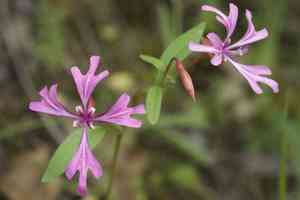
Renowned for its vivid blossoms and abundant leaves, red ribbons flourishes with consistent trimming. Remove faded flowers to stimulate additional flowering and preserve a compact, appealing form. Perform a light trim in spring to encourage development, and deadhead continuously during summer. A more extensive pruning session can be conducted in autumn to ready the plant for its inactive phase. Trimming improves air movement and vitality, guaranteeing red ribbons stays a prominent element in landscapes.
Advantages of Trimming red ribbons
Advantages of Trimming red ribbons
Trimming red ribbons promotes robust development and helps preserve its form. This ensures a compact, visually appealing shape, enhancing the plant's health and bloom display.
Optimal Period for Trimming red ribbons
Optimal Period for Trimming red ribbons
Trimming red ribbons from late Spring to early Summer coincides with the post-flowering phase, enabling gardeners to remove spent blossoms and encourage a second bloom under certain conditions. Pruning at this time avoids disrupting the flowering cycle and maximizes the plant's energy for healthy development. Late Summer to Early Fall pruning is beneficial as it prepares red ribbons for dormancy, eliminates any dead or diseased growth from the summer, and allows for shaping the plant without the risk of frost damage. This timing ensures that cuts have sufficient time to heal before colder weather arrives, reducing the likelihood of infection or stress on the plant.
Necessary Tools for Trimming red ribbons
Hand Pruners
Given the delicate nature of red ribbons, hand pruners are advised for making clean cuts without harming the stems. They offer precise control, essential for maintaining the plant's shape and fostering healthy growth.
Pruning Shears
Pruning shears are perfect for trimming slender stems and removing faded blooms of red ribbons. Their sharp blades ensure minimal damage to the plant, aiding in better recovery post-pruning.
Garden Scissors
For deadheading and shaping red ribbons, garden scissors are suitable due to their ease of use and ability to make quick, accurate snips on the plant's thin stems.
How to Trim red ribbons
Sanitize Tools
Sterilize pruning shears with alcohol or a bleach solution to prevent the spread of diseases to red ribbons.
Identify Areas
Examine red ribbons closely and locate the withered leaves that require removal.
Cut Leaves
Cut the withered leaves at their base where they connect to the stem, making clean cuts to avoid damaging red ribbons.
Dispose Waste
Remove and discard the withered leaves away from red ribbons to prevent disease and pest infestation.
Maintenance Check
Inspect the remainder of red ribbons after pruning for any signs of pests or diseases and treat as needed to maintain plant health.
Common Trimming Errors with red ribbons
Excessive Pruning
Removing too much foliage from red ribbons can weaken the plant and diminish its ability to photosynthesize effectively, leading to stunted growth and fewer blooms.
Incorrect Cut Placement
Making cuts too close to the main stems or flower buds of red ribbons can damage the plant's structure and hinder new growth. Similarly, leaving too large a stub can facilitate disease entry.
Using Dull Tools
Trimming red ribbons with blunt instruments can result in jagged cuts that are more vulnerable to infection and pest infestation.
Neglecting Hygiene
Failing to sanitize pruning tools before and after use on red ribbons can transmit diseases between plants.
Pruning During Active Growth
Cutting back red ribbons during its peak growth phases can disrupt growth and flowering patterns. Although the best season for pruning is excluded from this content, understanding the growth cycle is crucial.
Insufficient Thinning
Failing to thin out overcrowded areas in red ribbons can lead to poor air circulation, making the plant more susceptible to diseases and pests.
General Trimming Advice for red ribbons
Sharp Tools
Always use sharp, clean pruning shears to make precise cuts on red ribbons, which aids in quick healing and reduces the risk of disease.
Angled Cuts
Make cuts at a 45-degree angle approximately 1/4 inch above a bud facing outwards from the plant. This angle allows water to drain and promotes healthy new growth in red ribbons.
Gradual Pruning
For red ribbons, incremental pruning throughout the non-excluded seasons is preferable to drastic reductions, ensuring the plant maintains its shape and vigor.
Remove Dead Material
Regularly remove dead or dying flowers, leaves, and stems to direct red ribbons's energy towards new growth and blooming.
Shape Maintenance
To maintain the desired shape and size of red ribbons, prune the plant lightly and consistently, focusing on wayward or unruly branches without excessively thinning the center.
Aftercare
After trimming red ribbons, provide adequate water and nutrients to help the plant recover and support new growth. Observe the plant regularly for signs of stress or disease.



