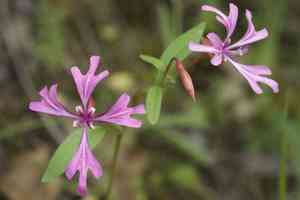
Red ribbons (Clarkia concinna)
Also known as: Raiche's red ribbons
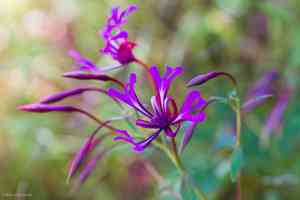
Clarkia concinna is an annual wildflower native to California, commonly found in the low-elevation mountains of the northern part of the state. Its distinctive flowers, which feature four red or dark pink sepals resembling loops of ribbon, have led to its common name, "red ribbons."
In This Article
Attributes of Red ribbons
Lifespan
Annual
Plant Type
Herb
Plant Height
45 cm
Spread
60 cm
Leaf Color
Green Gray
Flower Size
2-4 cm
Flower Color
Pink Purple Red
Images of Red ribbons
Quickly Identify Red ribbons
1
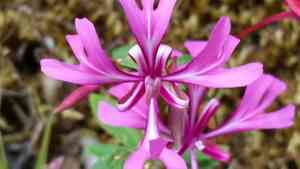
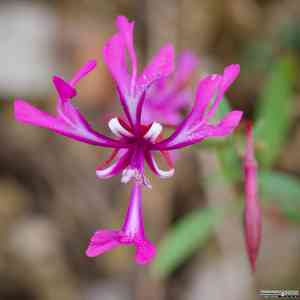
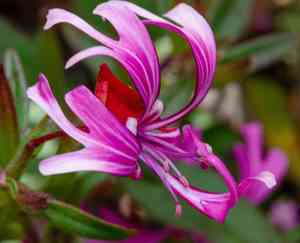
To identify Clarkia concinna, look for its distinctively lobed and fringed petals with a bright pink to magenta color. The plants are often small and bushy with lance-shaped leaves.
Scientific Classification of Red ribbons
Phylum
Vascular plants
Class
Dicotyledons
Order
Myrtales
Family
Evening primrose
Genus
Clarkia
Species
Red ribbons
Planting and Growing of Red ribbons
Care Difficulty
Easy
Watering Schedule
Every 8 days
Sunlight Requirements
Full sun
Sunshine Duration
6-10 hours
Ideal Temperature
60-75℉
Soil Type
Potting Mix, Peat Mix
Soil pH
6.5-7.5
Fertilizer Type
Balanced
Pruning Season
Spring, Summer
Pruning Area
Branches, Leaves
Pruning Frequency
2 times a year
Repotting Season
Spring
Pot Type
Plastic, Ceramic
 How to Water Red ribbons?
Clarkia concinna requires a moderate amount of water to thrive. The watering principle should be to keep the soil consistently moist but not waterlogged. Water should be applied until it starts to drain through the bottom of the pot, ensuring the entire root system is adequately hydrated.
What are the symptoms of an underwatered Red ribbons?
›
What should I do if my Red ribbons is not getting enough water?
›
What are the symptoms of an overwatered Red ribbons?
›
How to save an overwatered Red ribbons?
›
 What Are the Sunlight Requirements for Red ribbons?
Clarkia concinna thrives best with full to partial sun exposure, ideally receiving 6-8 hours of sunlight daily. This exposure supports robust growth, vibrant blooms, and overall plant vigor, maximizing its decorative potential.
More About Sunlight Requirements Techniques→
How much sun does Clarkia concinna need?
›
Can Clarkia concinna tolerate some shade?
›
What lighting adjustments help Clarkia concinna indoors?
›
 What Is the Ideal Temperature Range for Red ribbons?
Clarkia concinna thrives best in temperatures ranging from 60°F to 75°F. This range provides the most conducive environment for optimal growth and blooming. Temperatures within this range help ensure the plant's metabolic processes occur efficiently, allowing for vibrant and healthy plant development.
 What Soil is Best for Red ribbons?
Clarkia concinna thrives in well-drained soil that prevents root rot and allows for better nutrient absorption. The loose soil structure helps the roots develop robustly, supporting vigorous plant growth. This plant benefits from rich, nutrient-laden soil, which provides essential elements for its vibrant blooms. Fertility ensures that the plant can sustain prolonged flowering periods with better overall health. Clarkia concinna prefers soil that retains some moisture yet doesn't remain soggy. Moderate moisture supports its growth cycle effectively without the risk of waterlogging.
 How to Fertilize Red ribbons?
Clarkia concinna, also known as the red ribbons plant, thrives with balanced fertilization. Typically, a liquid fertilizer with an NPK ratio of 10-10-10 is used, applying about half the recommended strength for most flowering plants. This cautious approach prevents nutrient burn and encourages healthy growth.
 How to Prune Red ribbons?
Begin by removing spent flowers to encourage the plant to focus energy on producing more blooms. Use clean, sharp scissors to snip the faded flowers right above the nearest set of healthy leaves. This helps maintain a neat appearance and prolongs the blooming period. Prune back any overly long or unruly stems that make the plant look messy or unbalanced. Cut just above a node or set of leaves to encourage new growth. This process will keep the plant compact and promote a fuller-looking plant.
More About Pruning Techniques→
 How to Propagate Red ribbons plant?
1
Fill the seed tray with a well-draining potting mix, leaving a small space at the top of each section to avoid overflow when watering. Gently press the soil to create a smooth, compact surface for seed placement.
2
Sprinkle the seeds evenly over the surface of the compost. Clarkia concinna seeds are small, so aim for even distribution to prevent overcrowding as they germinate, allowing room for each seedling to flourish.
3
Lightly water the seeds using a spray bottle to avoid displacing them. Cover the seed tray with a clear lid or plastic wrap to create a greenhouse effect, preserving humidity and warmth, crucial for seed germination.
 How to Repot Red ribbons plant?
1
Look for signs that your Clarkia concinna needs repotting, such as roots protruding from the drainage holes, stunted growth, or if it appears top-heavy. The ideal time is in late winter to early spring before active growth begins, ensuring the plant has the entire growing season to establish in its new pot.
2
Choose a pot that is one size larger than the current one, with good drainage holes. A terracotta pot is ideal as it allows for air exchange, preventing root rot and promoting healthier root development. Ensure it has ample depth for root expansion.
3
Opt for a well-draining, sandy soil mix to mimic its natural habitat. This should include components like peat, coarse sand, and perlite. A good soil mix ensures the roots receive enough oxygen and reduces the risk of waterlogging, which is vital for the plant's health.
Learn More About Red ribbons Diseases
Anthracnose
Bacterial Leaf Spot
Bacterial Soft Rot
Bacterial Wilt
Black Spot
Chemical Injury
Crown Gall
Cyst Nematode
Damping-off
Downy Mildew
Drought Stress
Fusarium Wilt
Gray Mold
Leaf Curl
Leaf Spot
Mosaic
Nutrient Deficiency
Nutrient Toxicity
Powdery Mildew
Root Rot
Root-knot Nematode
Rusts
Sooty Mold
Spider Mites
Temperature Stress
Thrips Damage
White Mold



