How to Transplant Watermelon?
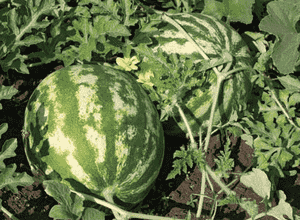
To ensure a flourishing watermelon, relocate it during the height of its cultivation period, generally from mid-summer through late summer. Choose a brightly lit spot with soil that drains effectively and is abundant in organic material. Provide sufficient room for expansion, and carefully handle the fragile root system during transplantation to achieve robust development.
What Preparations are Needed Before Transplanting Watermelon?
What is the Ideal Time for Transplanting Watermelon?
Relocating watermelon during the height of summer into its later stages is an excellent strategy. This period provides watermelon ample warmth and sunlight, encouraging optimal development. Transplanting at this time guarantees a flourishing and abundant yield.
How Much Space Should You Leave Between Watermelon Plants?
To ensure robust growth for your watermelon, provide them with ample room! Specifically, space them 36-60 inches (91-152 cm) apart in rows. This will allow their roots sufficient space to expand and thrive.
What is the Best Soil Mix for Watermelon Transplanting?
For optimal outcomes, select a soil that drains well and incorporate an organic, granular fertilizer with a balanced 10-10-10 or 14-14-14 N-P-K ratio. This will supply your watermelon with abundant nutrients as they mature and develop.
Where Should You Relocate Your Watermelon?
It's crucial to locate a sunny spot for your watermelon transplant! They flourish in full sunlight and require a minimum of 6-8 hours of direct sun daily. Choosing a south-facing area in your garden will ensure they receive the maximum possible sunlight.
What Equipments Should You Prepare Before Transplantation Watermelon?
Gardening Gloves
To safeguard your hands while handling soil and watermelon.
Trowel or Spade
To excavate the hole for the watermelon in its new location.
Garden Hoe
To loosen the planting area and eliminate undesirable grass or weeds.
Watering Can
To supply necessary moisture to the watermelon both before and after transplanting.
Tape Measure
To ensure your newly transplanted watermelons are correctly spaced.
Compost
Organic material to enrich the soil and deliver nutrients for the watermelon.
Soil pH Tester
To verify the soil's pH level is appropriate for watermelon.
How Do You Remove Watermelon from the Soil?
How Do You Remove Watermelon from the Soil?
From Ground: First, thoroughly water your watermelon plant a few hours prior to digging it up. This moistens the soil, reducing the likelihood of root damage. Using your spade, carefully dig a circular trench around the watermelon, ensuring the root ball stays intact. Work the spade beneath the root ball to lift the plant from its spot.From Pot: Water the watermelon in its container before starting. Turn the pot sideways, gently hold the watermelon by its base, and tap the bottom of the container until the plant slides out. Remember not to pull the plant out by its stem.From Seedling Tray: Simply push up from the bottom to release the watermelon from the cell. Handle it by the leaves to prevent stem damage.
Step-by-Step Guide for Transplanting Watermelon
Preparation
Start by checking the soil's pH level with your soil pH tester. Watermelon prefer a pH between 6.0 and 7.0. If needed, adjust the pH using organic matter.
Hole Preparation
Use a trowel or spade to dig a hole twice the size of the watermelon's root ball. Break up any hard soil clumps in the hole with your garden hoe.
Placement
Position the watermelon in the hole. The top of the root ball should be even with or slightly above the ground's surface. Adjust the hole's depth if necessary.
Backfill
Gently refill the hole, firming the soil around the watermelon as you proceed to ensure it is securely anchored in the ground.
Water
Water the watermelon thoroughly with your watering can, making sure the soil is well saturated but not waterlogged.
How Do You Care For Watermelon After Transplanting?
Mulching
Applying a layer of mulch around the watermelon will help retain soil moisture and deter weed growth.
Careful Watering
Ensure the watermelon receives adequate water during any dry spells. Look for wilting leaves as an indicator of water stress.
Monitoring
Keep a close watch for pests and diseases so you can intervene early and maintain your watermelon's health and vitality.
Pruning
As your watermelon develops, trim it periodically to manage its size and form.
Troubleshooting Common Issues with Watermelon Transplantation.
When's the best time to transplant watermelon?
The ideal period to move watermelon is from mid to late summer. This allows the plant sufficient time to establish itself before the onset of cooler weather.
What spacing should I maintain when transplanting watermelon?
Generous spacing is optimal, aim for approximately 36 to 60 inches (91-152 cm) between each watermelon plant. This prevents overcrowding and encourages robust growth.
My watermelon isn't growing well post-transplant. What could be wrong?
Numerous factors could be at play, including insufficient sunlight, poor soil quality, or inadequate watering. A thorough examination of the plant and its environment is essential.
How much sunlight does transplanted watermelon require?
Watermelon thrives in abundant sunshine! Aim for at least 6 to 8 hours of full, direct sunlight daily for the best development.
What soil type is ideal for transplanting watermelon?
Watermelon prefers well-draining sandy or loamy soil enriched with organic matter. Ensure your soil has a neutral to slightly acidic pH for optimal results.
What's the best watering routine for my transplanted watermelon?
Consistent, deep watering is crucial! Aim for 1 to 2 inches (2.5-5 cm) per week, and ensure the soil is allowed to dry out between waterings.
Why are my transplanted watermelon leaves turning yellow?
Yellowing leaves might indicate over-watering, nutrient deficiencies, or disease. Monitor your watering schedule and inspect your plant for any signs of pests.
How can I deal with pests on my watermelon after transplantation?
Utilize organic pesticides or introduce beneficial insects. Regular observation and early detection are key. If an infestation is identified, treatment should be applied promptly.
What fertilizer should I use after transplanting watermelon?
Watermelon benefits from a balanced fertilizer applied at the time of planting. A nitrogen-rich formula can also stimulate growth in the initial stages.
How do I know if my transplanted watermelon is thriving?
A flourishing watermelon exhibits vibrant green foliage, consistent growth, and eventually, flowers and fruit. A lack of these indicators may suggest the need for adjustments in care.



