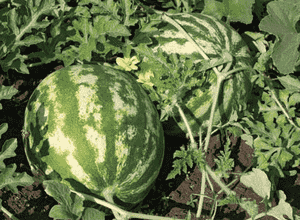
Watermelon (Citrullus lanatus)
Also known as: Egusi melon, Bitter wooly melon
Yams (Dioscorea spp.) are climbing plants native to Western Africa. These plants produce tuberous roots that are extensively grown and eaten globally. Yams thrive in both tropical and temperate climates, requiring warm conditions to flourish. There are approximately 1,000 different varieties of yams worldwide.
In This Article
Attributes of Watermelon
Lifespan
Annual
Plant Type
Vine, Herb
Plant Height
50 cm
Spread
2 m
Leaf Color
Green
Flower Size
4 mm
Flower Color
Yellow
Images of Watermelon
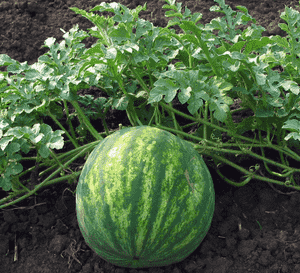
Quickly Identify Watermelon
1
Large, lobed leaves with hairy undersides, 3-5 primary lobes, toothed margins, 3-8 inches (7.6-20.3 cm) long.
2
Stout stems covered in long, white, woolly hairs, angular and grooved, with curly tendrils for climbing.
3
Spherical to oblong fruits with mottled green, thick rind, red or pink juicy interior, 6-44 pounds (2.7-20 kg).
4
Pale yellow, solitary flowers with 5-lobed calyx, 5-part corolla, 1-2 inches (2.5-5 cm) in diameter.
5
Distinct rounded to oblong fruit shape, smooth or slightly hairy, seeds in red to pink flesh.
Scientific Classification of Watermelon
Phylum
Vascular plants
Class
Dicotyledons
Order
Cucurbitales
Family
Gourd
Genus
Water melons
Species
Watermelon
Planting and Growing of Watermelon
Care Difficulty
Easy
Watering Schedule
Every 8 days
Sunlight Requirements
Full sun
Sunshine Duration
6-10 hours
Ideal Temperature
75-85℉
Soil Type
Potting Mix, Peat Mix
Soil pH
6-7.5
Fertilizer Type
Balanced
Pruning Season
Spring, Summer
Pruning Area
Branches, Leaves
Pruning Frequency
2 times a year
Repotting Season
Spring
Pot Type
Plastic, Ceramic
 How to Water Watermelon?
The watermelon plant, known scientifically as Citrullus lanatus, requires roughly 500 ml of water per watering session. It thrives best when the soil remains consistently moist but never waterlogged. Ensure that the soil surface is evenly saturated to about a depth of several inches, encouraging deep root growth.
More About Watering Techniques→
What are the symptoms of an underwatered Watermelon?
›
What should I do if my Watermelon is not getting enough water?
›
What are the symptoms of an overwatered Watermelon?
›
How to save an overwatered Watermelon?
›
 What Are the Sunlight Requirements for Watermelon?
Watermelon thrives in full sun conditions, ideally receiving 6 to 8 hours of direct sunlight daily. This exposure boosts photosynthesis, resulting in healthier plants and larger, sweeter fruits.
More About Sunlight Requirements Techniques→
What is the best light condition for Citrullus lanatus?
›
How can you provide optimal lighting for Citrullus lanatus?
›
What are the benefits of providing Citrullus lanatus with ideal lighting?
›
 What Is the Ideal Temperature Range for Watermelon?
For Citrullus lanatus, the ideal temperature range is between 75°F to 85°F. This range provides optimal conditions for photosynthesis and nutrient uptake, facilitating healthy growth and fruit development. Staying within this range ensures that the plant remains stress-free and can achieve its full yield potential.
 What Soil is Best for Watermelon?
Citrullus lanatus prospers in well-drained soil, permitting excess water to escape easily to prevent root rot. This promotes healthy root growth, ensuring the plant attains proper nutrients and stability. A nutrient-rich soil enhances the growth of Citrullus lanatus by supplying essential minerals and vitamins. The presence of organic matter contributes to vital plant processes like photosynthesis and fruit development. Citrullus lanatus thrives best in soil with a warm temperature, as it accelerates germination and growth. This warmth complements the plant’s tropical origins, fortifying its metabolism and overall health.
More About Soil→
 How to Fertilize Watermelon?
For Citrullus lanatus, also known as watermelon, it is important to provide balanced nutrition. The recommended amount of liquid fertilizer should be around 1/2 tablespoon per gallon of water. Apply this when the plant is actively growing, ensuring it does not exceed this concentration to avoid root damage.
More About Fertilizing Techniques→
 How to Prune Watermelon?
Start by identifying the main vine of your Citrullus lanatus plant and then cut back any secondary vines to encourage more robust main vine growth. Focus on removing any dead, damaged, or diseased leaves and stems. Remember to cut just above a healthy leaf node to encourage new growth. As the plant matures, selectively pinch off growing tips to encourage more lateral growth, ultimately leading to an increased fruit yield.
More About Pruning Techniques→
 How to Propagate Watermelon plant?
1
Before sowing, soak the seeds in water for 24 hours to soften their hard outer shell. This step enhances germination rates by allowing the seed to absorb moisture efficiently.
2
Plant the seeds about 1 inch deep in the potting mix within the seed trays. Space them adequately to ensure each seed has enough room to develop roots and shoots without competition.
3
Water the seeds gently and consistently to keep the soil moist but not waterlogged. Overwatering can lead to seed rot, while underwatering can hinder their ability to germinate.
 How to Repot Watermelon plant?
1
Look for signs such as roots coming out of the drainage holes or the plant quickly outgrowing the container. These indicate that it's time to repot your Citrullus lanatus. Ideally, this should be done in spring when the plant is waking up from its dormant stage and is ready to start a fresh growth cycle.
2
Select a pot that is one size larger than the current one with adequate drainage holes. This ensures proper water flow and prevents root rot. A pot that is too large can hold excess moisture, leading to disease, whereas one that is too small might restrict root growth.
3
Choose a well-drained loamy soil. This type of soil provides good aeration and retains some moisture without becoming waterlogged, supporting the healthy growth of Citrullus lanatus and ensuring that its roots have the necessary space to expand and access nutrients efficiently.



