How to Propagate Watermelon?
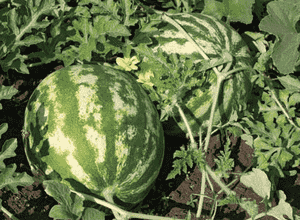
For watermelon, spring offers the perfect period for reproduction, with seeding being the favored technique. This botanical specimen is quite straightforward to propagate, and thriving green shoots signify successful propagation. Guarantee rich, adequately drained earth for peak outcomes.
Optimal Period for Watermelon Propagation
Method of Propagation
Seeding
Propagation Period
Spring
Essential Tools for Watermelon Propagation
Seed Trays
Seed Trays are vital for initiating watermelon seeds indoors. These containers keep seeds organized and contained, offering an ideal setting for sprouting. The trays feature individual cells, ensuring each seedling has sufficient room to grow without crowding, which is particularly beneficial for watermelon due to their rapid growth.
Peat Pots or Biodegradable Pots
Peat Pots or Biodegradable Pots are utilized for sowing watermelon seeds when gardeners aim to minimize root disturbance during transplanting. These pots can be directly placed into the soil, where they decompose over time, lessening transplant shock, which is critical for the delicate root system of watermelon.
Watering Can with a Fine Rose
A Watering Can with a Fine Rose enables gentle irrigation of watermelon seedlings. It delivers a soft, even water distribution, mimicking light rainfall, which helps prevent seed displacement or damage to fragile seedlings. Maintaining proper moisture levels is crucial for successful watermelon seed germination.
Heating Mats
Heating Mats are positioned beneath seed trays to provide consistent, mild warmth, boosting the germination rate of watermelon seeds by creating an appropriate microclimate. Watermelon is a warm-season crop that greatly benefits from bottom heat during propagation.
Grow Lights
Grow Lights ensure watermelon seedlings receive sufficient illumination for robust development, especially important when natural sunlight is inadequate. Proper lighting prevents spindly growth and strengthens seedlings. Watermelon seedlings need ample light to develop sturdy stems and foliage.
Soil Thermometer
A Soil Thermometer for checking the soil temperature where watermelon seeds are planted is essential. Watermelon seeds require warm soil conditions for successful germination, and monitoring soil temperature ensures it falls within the optimal range for the species.
Dibber or Seed Dibbler
A Dibber or Seed Dibbler assists in creating precise holes in the soil to plant watermelon seeds at the correct depth. Sowing seeds at the proper depth is crucial for germination and early root development of watermelon.
Fine Vermiculite or Perlite
Fine Vermiculite or Perlite serves as a top layer over sown watermelon seeds to aid in moisture retention and provide insulation. These materials also promote aeration and drainage, which are vital for preventing seed rot and supporting healthy seedling growth.
How to Propagate Watermelon?
Method of Propagation
Seeding
Level of Difficulty
Simple
Caring for Your Newly Propagated Watermelon
Caring for Your Newly Propagated Watermelon
Maintain consistent irrigation, particularly during fruit set and development. Apply mulch to conserve moisture and regulate soil temperature. Fertilize watermelon every 3-4 weeks with a balanced nutrient solution. Monitor for pests and diseases, implementing preventative measures such as crop rotation annually. Provide ample space for watermelon vines to spread or consider trellising to save room.
Common Errors to Avoid When Propagating Watermelon
Insufficient soil preparation
Using soil that lacks adequate nutrients or drainage can hinder watermelon growth. Nutrient-rich, well-draining soil is vital for healthy root development and overall plant vigor.
Excessive watering
While watermelon needs sufficient water, too much can lead to root rot or fungal infections. Overwatering can suffocate roots and foster an unhealthy plant environment.
Incorrect planting depths
Seeds planted too deeply may struggle to sprout, while those planted too shallowly may not establish properly. Precision is key to ensuring successful seedling emergence.
Overcrowding seedlings
Planting watermelon seeds too close together can result in competition for light, nutrients, and water, which can negatively impact growth and yield.
Neglecting pests
Failing to monitor for common pests can lead to infestations that compromise watermelon's health and reduce crop yield. Early detection and management are essential.
Tips For Propagating Watermelon
Appropriate seed selection
Choose high-quality, disease-resistant seeds to increase the likelihood of successful germination and healthy plant development for watermelon.
Soil temperature
Ensure the soil is warmed to an optimal temperature for seed germination. Watermelon requires warm soil to sprout effectively.
Watering technique
Water watermelon with a gentle hand to avoid disturbing seeds or seedlings. A consistent, moderate watering schedule is key to steady growth.
Thinning seedlings
Once seedlings have emerged, thin them to the recommended spacing. This ensures that each watermelon plant has adequate space to grow without strain.
Pest management
Implement proactive pest control measures, such as row covers or companion planting, to protect watermelon from insect damage and diseases.



