How to Transplant Berlandier's fiddlewood?
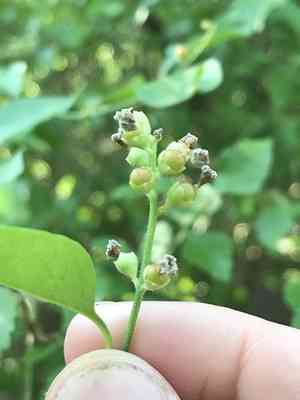
Berlandier's fiddlewood flourishes most effectively when relocated in the mild temperatures of late spring through early summer, facilitating superior root development. Select a bright area featuring soil that drains efficiently for favorable outcomes. Steer clear of excessively breezy sites to aid in improved acclimation.
Essential Preparations Before Relocating Berlandier's Fiddlewood
Optimal Period for Berlandier's Fiddlewood Relocation?
Berlandier's fiddlewood, a perennial, flourishes when moved during the 'late spring to early summer' window. This timing capitalizes on warmer ground temperatures and extended daylight, fostering robust root development. Additionally, it ensures the plant establishes itself prior to summer's harsher conditions, leading to healthier growth and improved resilience.
Required Spacing Between Berlandier's Fiddlewood Specimens?
When relocating berlandier's fiddlewood, ensure each plant is positioned approximately 4-6 feet (1.2-1.8 meters) apart. This spacing facilitates adequate air circulation and provides ample room for growth without competition.
Best Soil Blend for Berlandier's Fiddlewood Relocation?
Prepare well-draining soil, rich in organic matter, for berlandier's fiddlewood. An ideal mixture includes loamy soil with a pH ranging from 6.0 to 7.5. Incorporating compost as a foundational fertilizer will boost soil fertility and encourage strong root growth.
Recommended New Location for Your Berlandier's Fiddlewood?
Select a sunny spot for relocating berlandier's fiddlewood. These plants thrive in full sunlight, so confirm they receive at least 6 hours of direct sun daily to ensure vigorous development.
Equipment Needed Before Moving Berlandier's Fiddlewood
Gardening Gloves
To safeguard your hands while handling soil and the plant.
Shovel or Spade
For excavating the plant and its root ball from the ground or containers.
Hand Trowel
For more delicate planting tasks and managing smaller root systems.
Pruning Shears
For trimming roots or any damaged sections of the plant.
Watering Can or Hose
To hydrate the plant before and after its relocation.
Wheelbarrow or Container
For transporting the plant, especially if it is large or heavy.
Mulch
For covering the soil surface around the plant post-relocation to retain moisture.
How to Extract Berlandier's Fiddlewood from the Soil?
How to Extract Berlandier's Fiddlewood from the Soil?
From Ground: First, moisten the berlandier's fiddlewood plant to dampen the soil. Next, excavate a wide trench around the plant using a shovel or spade, ensuring the plant's root ball remains intact. Carefully work the spade beneath the root ball to lift the plant from its original spot.From Pot: Gently tap the pot's sides to loosen the soil and roots. Lay the pot on its side and carefully slide the berlandier's fiddlewood plant out, supporting the root ball with your hand.From Seedling Tray: Use a hand trowel to gently loosen the soil surrounding the berlandier's fiddlewood seedlings. Carefully lift each seedling by its leaves or a small part of the stem, taking care not to harm the roots.
Detailed Procedure for Relocating Berlandier's Fiddlewood
Site Preparation
Ensure the new planting location is ready, with a hole dug wide and deep enough to accommodate the berlandier's fiddlewood plant's root ball.
Watering
Thoroughly water the berlandier's fiddlewood plant in its initial spot to lessen transplant shock.
Relocation Timing
Move the berlandier's fiddlewood plant during a cooler part of the day, ideally in the early morning or late afternoon.
Plant Positioning
Place the berlandier's fiddlewood plant into the hole, ensuring it sits at the same depth as it was in its original location. Backfill the hole with soil and gently firm it around the base.
Initial Watering
Water the berlandier's fiddlewood plant generously immediately after relocation to help settle the soil around the roots.
Mulching
Apply a layer of mulch around the base of the berlandier's fiddlewood plant to help retain moisture and regulate soil temperature.
Post-Relocation Care for Berlandier's Fiddlewood
Watering
Keep the soil around the berlandier's fiddlewood consistently moist, but not waterlogged, for the initial few weeks after relocation to aid in strong root establishment.
Monitoring
Regularly inspect the berlandier's fiddlewood plant for indications of stress or shock, such as wilting or yellowing leaves, and address these issues promptly.
Protection
Shield the berlandier's fiddlewood plant from harsh weather conditions (like strong winds or intense heat) by using protective covers or temporary shading if necessary.
Fertilizing
Avoid fertilizing immediately after relocation, as this can further stress the berlandier's fiddlewood. Wait until new growth appears before applying a balanced, slow-release fertilizer.
Addressing Common Issues During Berlandier's Fiddlewood Relocation.
When is the optimal time to move berlandier's fiddlewood?
Late spring to early summer is perfect for relocating berlandier's fiddlewood to ensure successful growth.
How should I prepare the soil for berlandier's fiddlewood?
Enhance the soil with compost and ensure proper drainage before moving berlandier's fiddlewood.
What is the recommended spacing for berlandier's fiddlewood?
Space berlandier's fiddlewood plants 4 to 6 feet (1.2 to 1.8 meters) apart for optimal growth.
How deep should I plant berlandier's fiddlewood?
Plant berlandier's fiddlewood at the same soil depth it was originally growing in its container.
How do I handle berlandier's fiddlewood roots during relocation?
Be gentle with the roots. Try not to disturb them too much during the process.
What should I do to minimize transplant shock in berlandier's fiddlewood?
Water berlandier's fiddlewood thoroughly after relocation and keep the soil consistently moist for a few weeks.
Can I move berlandier's fiddlewood during extremely hot weather?
Avoid relocating berlandier's fiddlewood during hot weather. Instead, choose a cooler part of the day.
How do I care for berlandier's fiddlewood immediately after relocation?
Provide partial shade and keep the soil evenly moist until berlandier's fiddlewood establishes itself.
What is the ideal soil pH for relocating berlandier's fiddlewood?
A slightly acidic to neutral soil pH (6.0 to 7.0) is best for berlandier's fiddlewood.
Do I need to fertilize berlandier's fiddlewood after relocation?
Wait a few weeks before fertilizing berlandier's fiddlewood, allowing it time to adjust to its new environment.



