How to Prune Berlandier's fiddlewood?
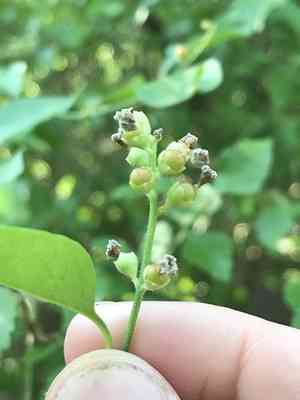
Berlandier's fiddlewood is a bush known for its impressive blossoms and shiny foliage. Trim it in late winter or early spring prior to the emergence of new shoots. Eliminate any lifeless or frail limbs to enhance air movement and foster robust development. Shaping can be performed to preserve the preferred dimensions and outline. Consistent trimming promotes denser leaves and more vivid flowers. This method not only boosts its visual attractiveness but also reinforces the plant's general framework.
What Are the Benefits of Pruning Berlandier's Fiddlewood?
What Are the Benefits of Pruning Berlandier's Fiddlewood?
Trimming berlandier's fiddlewood promotes robust development, preserves its form, boosts blooming, manages its dimensions, and enhances its overall look. It also lowers the chance of pests and illnesses, ensuring the plant stays healthy and attractive in the garden.
What Is the Best Time for Pruning Berlandier's Fiddlewood?
What Is the Best Time for Pruning Berlandier's Fiddlewood?
Trimming berlandier's fiddlewood in late winter or early spring allows the plant to recover and prepare for its next growth cycle. These periods are optimal because berlandier's fiddlewood is dormant or just starting to emerge from dormancy, minimizing stress and disease risk. Furthermore, pruning before the active growth phase ensures the plant's energy is directed towards developing strong, healthy new growth, potentially leading to more abundant flowering and fruiting in subsequent seasons.
What Tools Do I Need to Prune Berlandier's Fiddlewood?
Bypass Hand Pruners
These are perfect for cleanly severing stems and branches up to approximately 3/4-inch thick. They guarantee precise, neat cuts, which are crucial for maintaining the plant's health.
Lopping Shears
Ideal for thicker branches, typically 1 to 2 inches in diameter. Their long handles provide extra leverage, simplifying the pruning of hard-to-reach areas.
Pruning Saw
Essential for cutting larger branches exceeding 2 inches in diameter. A pruning saw delivers clean cuts without harming the plant.
Pole Pruner
Useful for elevated branches, eliminating the need for a ladder. This tool extends your reach, aiding in maintaining a manageable size and shape.
How to Prune Berlandier's Fiddlewood
Inspection
Carefully examine berlandier's fiddlewood for any lifeless or diseased branches. Thoroughly check the entire plant, looking for signs of decay, discoloration, or unusual growth patterns that may indicate illness.
ToolsPreparation
Prepare and sanitize pruning tools to prevent the spread of disease. Use sharp and clean pruners or loppers, ensuring they are properly disinfected before and after use.
RemoveDeadBranches
Identify dead branches, which often appear shriveled, brittle, and grey or brown. Cut them back to healthy, living wood or to the main stem, ensuring a clean cut just above a node or branch collar.
RemoveDiseasedBranches
Identify and remove diseased branches, generally characterized by spots, lesions, or unusual growths. Cut at least 6 inches below the diseased area into healthy wood. Dispose of infected material properly to avoid spreading pathogens.
DisposalAndCleanUp
Dispose of all removed branches and debris away from berlandier's fiddlewood. Clean up the area around the plant to prevent attracting pests or fostering disease conditions. Sanitize tools again to prevent contaminating other plants.
Common Pruning Mistakes with Berlandier's Fiddlewood
Improper Technique
One of the most frequent errors is using dull or inappropriate tools, which can cause ragged cuts that may not heal properly and can invite disease.
Excessive Pruning
Cutting back too much of the plant at once can stress berlandier's fiddlewood and potentially stunt its growth or reduce flowering. Overzealous pruning can also remove too many leaves, which are essential for photosynthesis.
Wrong Branch Selection
Removing the wrong branches, such as cutting the main stem or healthy, vibrant branches, rather than focusing on dead, diseased, or crossing branches, can negatively impact the plant's structure and health.
Ignoring Plant Shape
Failing to maintain berlandier's fiddlewood's natural shape can lead to an unbalanced or unnatural appearance, which is particularly crucial for maintaining its aesthetic appeal in ornamental settings.
Common Pruning Tips for Berlandier's Fiddlewood
Use Clean, Sharp Tools
Always use clean, sharp pruning shears to make clean cuts which promote quicker healing and reduce the risk of disease.
Focus on Dead or Diseased Branches
Start by removing any dead, diseased, or damaged branches to maintain the plant's health and prevent the spread of infections.
Prune for Airflow
Thin out branches to allow better airflow through the plant, which can reduce the risk of pest infestations and fungal diseases. This is particularly important for the dense growth habit of berlandier's fiddlewood.
Maintain Natural Shape
Keep an eye on the plant's natural shape and growth habit while pruning to ensure it retains its aesthetic form. Avoid unnecessary cuts that could alter its natural appearance.
Make Precise Cuts
Always make cuts just above a bud or at the base of a branch to encourage proper healing and new growth.
Less is More
Adopt a conservative approach and avoid aggressive pruning. It's better to prune a little at a time and gradually shape the plant, rather than making drastic cuts.



