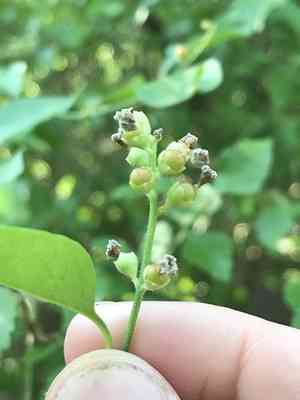
Berlandier's fiddlewood (Citharexylum berlandieri)
Also known as: Berlandier's fiddlewood, Fiddlewood
Berlandier's fiddlewood (Citharexylum berlandieri) is an evergreen shrub or small tree native to subtropical and tropical regions. It prefers well-drained soils and thrives in full sun but can adapt to partial shade. Known for its glossy, dark green, oval-shaped leaves, it produces clusters of fragrant white flowers that attract pollinators. This drought-tolerant plant can grow 10-20 feet tall and features small orange to black berries. Its resilience and ornamental qualities make it a popular choice for landscaping.
In This Article
Attributes of Berlandier's fiddlewood
Lifespan
Perennial
Plant Type
Tree
Plant Height
3.5 m to 11 m
Spread
2 to 4 meters
Leaf Color
Dark green
Flower Size
Less than 1 cm
Flower Color
White
Images of Berlandier's fiddlewood
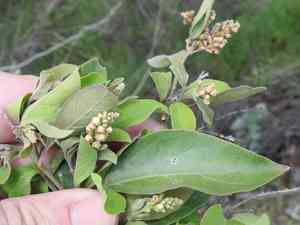
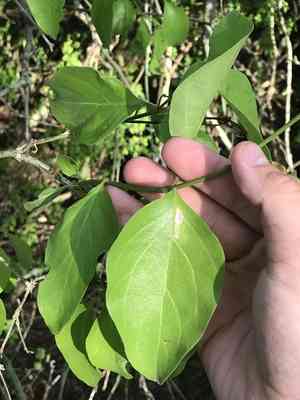
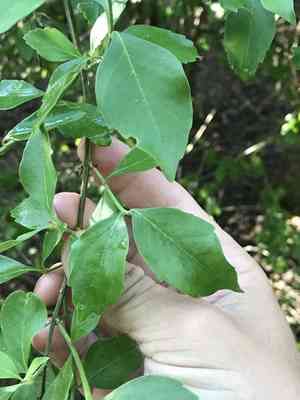
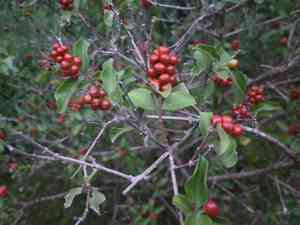
Quickly Identify Berlandier's fiddlewood
1
Look for an evergreen shrub or small tree with glossy, dark green leaves. The plant produces clusters of small, white, fragrant flowers followed by orange to red berries. It typically has a smooth bark and a spreading branch habit.
Scientific Classification of Berlandier's fiddlewood
Phylum
Vascular plants
Class
Dicotyledons
Order
Lamiales
Family
Verbena
Genus
Fiddlewoods
Species
Berlandier's fiddlewood
Planting and Growing of Berlandier's fiddlewood
Care Difficulty
Moderate
Watering Schedule
Every 2 days
Sunlight Requirements
Full sun
Sunshine Duration
6-8 hours
Ideal Temperature
60-80℉
Soil Type
Potting Mix, Peat Mix
Soil pH
6.5-7.5
Fertilizer Type
Balanced
Pruning Season
Spring, Summer
Pruning Area
Branches, Leaves
Pruning Frequency
2 times a year
Repotting Season
Spring
Pot Type
Plastic, Ceramic
 How to Water Berlandier's fiddlewood?
The watering amount for Citharexylum berlandieri should be about 500 milliliters, ensuring that the soil is evenly moist but not waterlogged. You need to wait until the top inch of the soil is dry before watering again. This helps mimic its native environment, where occasional rain is more prevalent than constant dampness.
What are the symptoms of an underwatered Berlandier's fiddlewood?
›
What should I do if my Berlandier's fiddlewood is not getting enough water?
›
What are the symptoms of an overwatered Berlandier's fiddlewood?
›
How to save an overwatered Berlandier's fiddlewood?
›
 What Are the Sunlight Requirements for Berlandier's fiddlewood?
Ideal range includes full sun to partial sun. This exposure ensures vigorous growth, optimal flowering, and a vibrant appearance, benefiting the plant’s energy levels and overall well-being.
Why is full sun ideal?
›
How can I achieve the ideal lighting?
›
What benefits arise from ideal lighting?
›
 What Is the Ideal Temperature Range for Berlandier's fiddlewood?
The ideal temperature range for Citharexylum berlandieri is between 60°F to 80°F. Within this range, the plant can thrive and exhibit optimal growth. Temperatures above this range may lead to heat stress, while temperatures below might slow growth and lead to potential damage.
 What Soil is Best for Berlandier's fiddlewood?
Citharexylum berlandieri thrives in well-draining soils, which prevent waterlogging and reduce the risk of root rot, promoting healthy root development and overall plant vigor. This plant benefits from nutrient-rich soil that provides essential minerals and nutrients, which enhance growth, flowering, and resistance to diseases. The soil should have moderate moisture retention capabilities to keep the roots hydrated without becoming soggy, ensuring consistent growth and reducing stress on the plant.
 How to Fertilize Berlandier's fiddlewood?
For Citharexylum berlandieri, a balanced approach is needed. Use a liquid fertilizer diluted to half its strength to avoid root burn. Apply approximately 100 ml per plant or until the surrounding soil is evenly wet. For granular or solid fertilizers, about 30 grams per plant sprinkled around the base is ideal.
 How to Prune Berlandier's fiddlewood?
Start by identifying and removing any dead, damaged, or diseased branches. Cut these branches back to the base to allow more air circulation and light penetration, promoting overall plant health. Trim the tips of branches that have grown too long, following the natural contour of the plant. This encourages a fuller, bushier appearance, making your Citharexylum berlandieri more aesthetically pleasing.
More About Pruning Techniques→
 How to Propagate Berlandier's fiddlewood plant?
1
Select healthy, non-flowering stems and use sharp pruning shears to take a cutting about 10-15 cm long. Ensure each cutting has at least three nodes and remove the leaves from the lower third of the cutting.
2
Fill seed starting trays with a moist seed-starting mix and plant the seeds approximately 1-2 cm deep. Cover lightly with soil and water gently. Maintain a warm temperature to encourage germination.
3
Dip the cut end of the cuttings into a rooting hormone to facilitate root development. This step is vital in speeding up root growth and increasing the success rate of propagation via cuttings.
 How to Repot Berlandier's fiddlewood plant?
1
Look for signs your Citharexylum berlandieri needs repotting. If roots start protruding from the drainage holes or the soil becomes hard and compacted, it's time to repot. Repotting is best done in spring or summer to not interfere with its growth cycle.
2
Select a pot that is one size larger than the current one to give roots room to grow. Ensure it has adequate drainage holes to prevent waterlogging, which can lead to root rot. A clay pot is beneficial for its porous nature that promotes air circulation and prevents excess moisture retention.
3
Opt for a well-draining potting mix that mimics the plant's natural habitat. A mix containing peat, perlite, and sand is ideal, as it improves aeration and ensures proper moisture retention without becoming waterlogged, crucial for healthy root development.
Learn More About Berlandier's fiddlewood Diseases
Anthracnose
Bacterial Leaf Spot
Bacterial Wilt
Crown Gall
Damping-off
Downy Mildew
Drought Stress
Fusarium Wilt
Gray Mold
Leaf Curl
Leaf Spot
Mosaic
Nutrient Deficiency
Nutrient Toxicity
Powdery Mildew
Root Rot
Root-knot Nematode
Rusts
Sooty Mold
Spider Mites
Temperature Stress
Thrips Damage
White Mold



