How to Propagate Berlandier's fiddlewood?
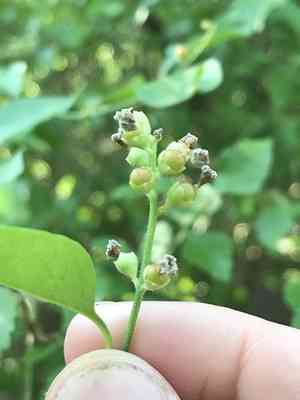
Berlandier's fiddlewood, a species within the Verbenaceae family, flourishes in soil that drains effectively and receives moderate to ample sunlight. Reproducing it from cuttings is effective; choose robust stem sections, apply a rooting stimulant, and embed them in a damp cultivation substrate. Ensure steady hydration and warmth to foster root development. Vigilant observation for infestations and ailments is essential.
Optimal Time for Berlandier's Fiddlewood Propagation
Propagation Method
Cutting
Propagation Period
Autumn,Winter
Tools Required for Berlandier's Fiddlewood Propagation
Pruning Shears
Pruning shears are crucial for obtaining clean, precise cuttings from robust berlandier's fiddlewood stems. They prevent harm to the parent plant and ensure cuttings are appropriately sized for rooting.
Rooting Hormone
Rooting hormone is applied to stimulate root growth in berlandier's fiddlewood cuttings. It enhances propagation success by fostering quicker and stronger root development.
Propagation Trays
Propagation trays offer a controlled setting for berlandier's fiddlewood cuttings to root. They guarantee proper spacing, sufficient air circulation, and drainage, promoting healthy root growth.
Humidity Domes
Humidity domes are utilized to maintain elevated humidity levels around berlandier's fiddlewood cuttings, vital for preventing desiccation before roots emerge. They also create a microclimate that speeds up rooting.
Sterilized Potting Mix
Sterilized potting mix provides a pathogen-free medium for berlandier's fiddlewood cuttings to root. It offers the ideal balance of aeration and moisture retention necessary for successful rooting.
Misting Bottle
A misting bottle is employed to keep berlandier's fiddlewood cuttings hydrated by regularly spraying them with water, ensuring they do not dry out during the rooting phase.
Sharp Knife or Razor Blade
A sharp knife or razor blade is essential for making accurate and clean cuts when preparing berlandier's fiddlewood stem cuttings. It minimizes tissue damage and encourages better rooting.
How to Propagate Berlandier's Fiddlewood?
Propagation Difficulty
Moderately Difficult
Caring for Your Newly Propagated Berlandier's Fiddlewood
Caring for Your Newly Propagated Berlandier's Fiddlewood
Once rooted, gradually introduce berlandier's fiddlewood to standard humidity and light conditions by removing the plastic covering. Transplant to a larger container or outdoor spot with well-draining soil and partial to full sun. Water consistently, allowing the soil to dry slightly between waterings. Prune to encourage bushier growth and regularly check for pests or diseases.
Common Errors to Avoid When Propagating Berlandier's Fiddlewood
Overwatering
Excessive watering can lead to root rot in berlandier's fiddlewood. This issue often stems from poor drainage or waterlogged soil, which deprives roots of oxygen and impairs nutrient uptake.
Incorrect Soil Mix
Using a soil mix that is too dense or lacks proper drainage can hinder root development and propagation success. Berlandier's fiddlewood requires a light, well-aerated soil blend.
Improper Cutting Technique
Taking cuttings from the wrong part of the plant or using dull tools can harm plant tissue and decrease the likelihood of successful rooting.
Lack of Humidity
Berlandier's fiddlewood cuttings often fail to root due to insufficient humidity. Without adequate atmospheric moisture, the cuttings can dry out and fail to establish roots.
Inconsistent Temperature
Exposure to fluctuating temperatures can stress young plants and impede root development. Berlandier's fiddlewood prefers a consistently warm environment during propagation.
Tips For Propagating Berlandier's Fiddlewood
Use Well-Draining Soil
Ensure the soil mixture is well-draining and light. Incorporating perlite or sand can enhance aeration and prevent waterlogging.
Maintain High Humidity
Create a humid environment for the cuttings by using a plastic dome or a plastic bag to cover the pot. This helps retain moisture and supports root development.
Clean, Sharp Tools
Always use clean, sharp cutting implements to make precise cuts. This minimizes damage to the plant tissue and promotes healthier rooting.
Consistent Temperature
Keep the cuttings in a warm, stable temperature environment. Use a heat mat if necessary to maintain consistent warmth.
Water Sparingly
Water the cuttings lightly and only when the top layer of the soil feels dry. Overwatering can be detrimental, so aim for damp, not soggy, soil.



