How to Transplant Sage-leaved rock-rose?
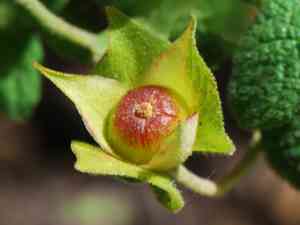
The ideal period for relocating sage-leaved rock-rose is from late spring's conclusion to early summer's onset, a time of robust development. Select a location bathed in sunlight with soil that drains effectively for sage-leaved rock-rose, and if necessary, carefully untangle the root system to facilitate its settling.
What Preparations are Needed Before Transplanting Sage-leaved Rock-rose?
What is the Ideal Time for Transplanting Sage-leaved Rock-rose?
The perfect time to move sage-leaved rock-rose is from mid-spring to early summer, providing a mild environment for root development. This period ensures sage-leaved rock-rose optimal growth, leveraging moist soil and cooler temperatures before summer's heat intensifies. During this season, sage-leaved rock-rose benefits from balanced weather, neither too cold to shock roots nor too hot to dehydrate, creating an ideal transplanting scenario. By transplanting sage-leaved rock-rose in this gentle season, you give it the best chance to flourish, rooting itself in its new spot while conditions are favorable.
How Much Space Should You Leave Between Sage-leaved Rock-rose Plants?
Your sage-leaved rock-rose plant requires ample room to flourish, so ensure each is spaced 1-2 feet (30-60 cm) apart when relocating. Providing sufficient space enhances air circulation and minimizes disease risk.
What is the Best Soil Mix for Sage-leaved Rock-rose Transplanting?
For sage-leaved rock-rose, prepare your garden with soil that drains well, ideally a sandy or gravelly blend. Use a foundational fertilizer with a balanced ratio like 10-10-10 for initial preparation. Remember, good soil forms the basis for a healthy plant.
Where Should You Relocate Your Sage-leaved Rock-rose?
Select a spot that receives abundant sunlight, as sage-leaved rock-rose thrives in bright conditions. Even if a location appears excessively sunny, the sage-leaved rock-rose plant will likely be content there. Aim for 6 hours of direct sunlight daily if feasible.
What Equipments Should You Prepare Before Transplantation Sage-leaved Rock-rose?
Gardening Gloves
To safeguard your hands while handling the plant and its potential thorns.
Shovel or Spade
To carefully excavate the plant from its original spot, preserving the root ball.
Garden Trowel
To assist in managing soil and creating a hole at the new site.
Watering Can
To hydrate the plant during and after its relocation.
Bucket
To transport and temporarily hold the plant between locations.
Gardening Pruners
To trim any damaged roots or superfluous branches.
Organic Compost
To enrich the soil with nutrients at the new transplanting site.
How Do You Remove Sage-leaved Rock-rose from the Soil?
How Do You Remove Sage-leaved Rock-rose from the Soil?
From Ground: Start by lightly moistening the sage-leaved rock-rose plant to facilitate its removal. Use your shovel or spade to dig a wide trench around the plant, ensuring a safe distance from the root system to prevent harm. Gently lift the plant from beneath the root ball; having a bucket ready can help with easy transport and prevent plant damage.From Pot: Begin by watering the sage-leaved rock-rose plant to help loosen the soil. Invert the pot or turn it on its side, holding the plant at its base, and gently shake/pull the pot off. Try to retain as much original soil with the roots as possible.From Seedling Tray: Wait until the sage-leaved rock-rose plant has 2-3 true leaves. The soil should be slightly damp, achievable with light watering. With a garden trowel or similar tool, carefully lift the seedling, being mindful not to harm the young roots.
Step-by-Step Guide for Transplanting Sage-leaved Rock-rose
Preparation
Select a suitable plot in your garden. Prepare the planting area by clearing any debris or weeds. Dig a hole twice as wide and as deep as the previous root ball. Add a generous amount of organic compost into the hole.
Planting
Place sage-leaved rock-rose in the hole, ensuring the top of the root ball is level with the soil surface. Carefully backfill the hole with soil, gently firming as you proceed.
Watering
Water thoroughly immediately after planting, ensuring the water penetrates deep into the root zone. This aids in settling the plant and eliminating air pockets.
Monitoring
Closely observe the sage-leaved rock-rose plant over the subsequent days to confirm it adapts well to its new environment.
How Do You Care For Sage-leaved Rock-rose After Transplanting?
Watering
Do not let the soil completely dry out; this can cause stress to the sage-leaved rock-rose plant. Water deeply and thoroughly when the soil feels dry to the touch.
Pruning
Remove any withered, dried, or damaged leaves to encourage new growth.
Feeding
After approximately one month, provide the plant with a mild application of a balanced, slow-release fertilizer to support its development. Be careful not to over-fertilize, as this can be detrimental.
Observing
Look for signs of transplant shock, such as wilting, yellowing leaves, or leaf drop. If these symptoms appear, re-evaluate watering and light conditions. Also, ensure you've planted the sage-leaved rock-rose at the correct depth and haven't buried the stem.
Troubleshooting Common Issues with Sage-leaved Rock-rose Transplantation.
What's the best time to transplant sage-leaved rock-rose?
The optimal period for relocating sage-leaved rock-rose is during late spring to late summer (S2-S4).
What distance should I keep between two sage-leaved rock-rose while transplanting?
You should maintain an ideal spacing of approximately 1-2 feet (30-60 cm) between two sage-leaved rock-rose during transplantation.
What type of soil does sage-leaved rock-rose prefer for transplanting?
Sage-leaved rock-rose thrives in well-draining soil that isn't excessively rich. Incorporate some compost into the digging hole for improved results.
How should I prepare the transplant site for sage-leaved rock-rose?
Ensure it's a sunny location. Dig a hole slightly larger than the root-ball of sage-leaved rock-rose. Mix in some compost and water it before placing sage-leaved rock-rose.
What should be the ideal depth when transplanting sage-leaved rock-rose?
Transplant sage-leaved rock-rose at the same depth as its root-ball. Too deep can lead to rot, too shallow can cause roots to dry out.
How should I care for sage-leaved rock-rose after transplanting?
Water sage-leaved rock-rose thoroughly after transplanting, and mulch the surrounding area to retain moisture. Maintain a consistent watering schedule until sage-leaved rock-rose establishes itself.
Why is my transplanted sage-leaved rock-rose wilting?
Wilting can indicate water stress. Sage-leaved rock-rose may require more water during establishment. Also, check for poor drainage issues that could cause root-rot.
How often should sage-leaved rock-rose be watered post-transplanting?
For the initial few weeks after transplantation, water sage-leaved rock-rose regularly but avoid overwatering. Once established, sage-leaved rock-rose becomes drought-tolerant and needs less frequent watering.
Why are the leaves of my transplanted sage-leaved rock-rose turning yellow?
Yellowing leaves can signal overwatering, inadequate drainage, or nutrient deficiency. Adjust watering, ensure good soil drainage, and consider a balanced slow-release fertilizer.
Can I transplant sage-leaved rock-rose during bloom?
Relocating sage-leaved rock-rose while it's blooming can stress the plant and potentially diminish its flowering capacity. It's preferable to transplant during late spring to late summer.



