How to Prune Sage-leaved rock-rose?
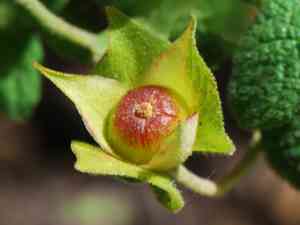
Originating from the Mediterranean region, Cistus salviifolius displays fragile white blossoms akin to roses. To preserve its dense form and stimulate blooming, cut back the spent flower stalks right after the flowering period concludes in late spring or early summer. This trimming encourages a subsequent flush of flowers, improves air movement, and prevents ailments. For best results, eliminate any deceased or feeble stems, and perform light shaping, as Cistus salviifolius thrives with limited interference. Refrain from severe cutting, which could damage the specimen.
What Are the Benefits of Pruning Sage-leaved Rock-rose?
What Are the Benefits of Pruning Sage-leaved Rock-rose?
Trimming sage-leaved rock-rose promotes abundant flowering and boosts its resistance to pests and diseases, leading to a healthier, more robust plant.
What Is the Best Time for Pruning Sage-leaved Rock-rose?
What Is the Best Time for Pruning Sage-leaved Rock-rose?
Pruning or trimming sage-leaved rock-rose in late spring and early summer coincides with its post-flowering phase, after its spring bloom cycle concludes. This timing allows gardeners to sculpt the plant and remove faded blossoms without hindering the formation of new buds, which is vital for the subsequent year's flowers. Furthermore, pruning during this window helps maintain the health of sage-leaved rock-rose, providing ample time for recovery and new growth before its dormant period in late autumn and winter. Mild weather conditions in late spring and early summer reduce plant stress during healing. Additionally, removing unnecessary or dead branches at this time improves air circulation and sunlight exposure, crucial for preventing fungal issues and encouraging vigorous development.
What Tools Do I Need to Prune Sage-leaved Rock-rose?
Hand Pruners
For precise cuts on dead or overgrown stems of sage-leaved rock-rose, sharp hand pruners are indispensable. They ensure clean cuts that encourage healthy regrowth.
Lopping Shears
Sage-leaved rock-rose may require the removal of thicker branches where hand pruners are insufficient. Lopping shears are ideal for this task due to their longer handles and increased leverage.
Pruning Saw
For the thickest branches that lopping shears cannot manage, a pruning saw is recommended. Its sharp teeth can cut through wood without harming sage-leaved rock-rose.
Gloves
To shield your hands from the sticky resin that sage-leaved rock-rose might secrete, wear durable gloves when pruning.
Pruning Gloves
Specifically designed for pruning, these gloves offer protection and dexterity when handling various parts of sage-leaved rock-rose.
How to Prune Sage-leaved Rock-rose
Clean Disinfect Tools
Before beginning, clean and sanitize all pruning tools to prevent disease transmission to sage-leaved rock-rose. Use a bleach or rubbing alcohol solution to wipe down blades.
Remove Diseased Withered
Identify and remove any diseased leaves, withered leaves, diseased branches, and withered flowers from sage-leaved rock-rose. Make cuts at a 45-degree angle just above a healthy leaf node or bud to stimulate new growth.
Eliminate Dead Material
Cut dead branches back to the point of live, healthy wood. If the entire branch is dead, prune it back to the base, making your cut at a slight outward angle to prevent water accumulation.
Thin Excess Growth
Thin out excessive growth branches to maintain the shape of sage-leaved rock-rose and promote air circulation. Selectively remove some inner branches that are crossing or rubbing.
Cleanup
After pruning sage-leaved rock-rose, clear all removed plant material from the area to reduce the risk of pest or disease infestation. Properly dispose of diseased plant matter to avoid contamination.
Common Pruning Mistakes with Sage-leaved Rock-rose
Over-pruning
Removing too much growth at once can stress sage-leaved rock-rose, distorting its natural shape and potentially reducing its vigor and bloom production.
Pruning into old wood
Sage-leaved rock-rose does not respond well to severe pruning into old wood, as it may not regenerate. Light pruning is preferred to maintain the plant's health and appearance.
Using dull tools
Dull pruning tools can cause jagged cuts that make sage-leaved rock-rose vulnerable to pests and diseases. Clean, sharp tools make precise cuts that heal more quickly.
Neglecting hygiene
Not sterilizing pruning tools between plants can spread disease from an infected plant to sage-leaved rock-rose. Always clean tools to prevent cross-contamination.
Ignoring plant shape
Random or improper cutting without considering the natural shape of sage-leaved rock-rose can result in an unsightly plant. Thoughtful cuts maintain aesthetic form.
Common Pruning Tips for Sage-leaved Rock-rose
Selective thinning
Thin out crowded or crossing branches of sage-leaved rock-rose to encourage better air circulation and light penetration, essential for flower and foliage health.
Deadheading
Regularly removing spent flowers from sage-leaved rock-rose can promote further blooming and prevent the plant from putting energy into seed production.
Shaping
After the blooming period, lightly shape sage-leaved rock-rose to guide its growth while being careful not to prune into old wood, as this can damage the plant.
Maintenance pruning
Carry out maintenance pruning to remove any dead or damaged branches, which will help maintain the vitality of sage-leaved rock-rose.
Healthy growth promotion
Focus on cutting back the tips of the stems, which can encourage sage-leaved rock-rose to produce new, healthy growth and more abundant blooms in the following season.



