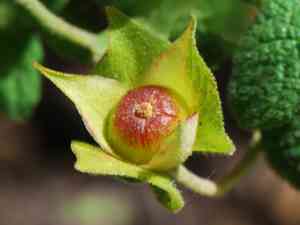
Sage-leaved rock-rose (Cistus salviifolius)
Also known as: Sage-leaved Rock Rose
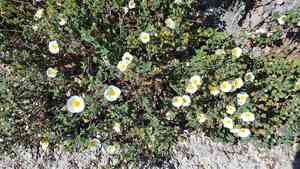
The Sage-leaved rock-rose (Cistus salviifolius) is an evergreen shrub known for its distinctive white flowers, each featuring a bright yellow center. Its name is derived from its wrinkled, sage-like leaves. This plant is prevalent in Mediterranean regions, including southern Europe, West Asia, and parts of North Africa. It thrives in dry, rocky soils and sunny locations, often found in scrublands and open forest areas.
In This Article
Attributes of Sage-leaved rock-rose
Lifespan
Perennial
Plant Type
Shrub
Plant Height
30 cm to 1 m
Spread
1.8 m to 2.5 m
Leaf Color
Green Purple
Flower Size
1.5 cm to 2.5 cm
Flower Color
White
Images of Sage-leaved rock-rose
Quickly Identify Sage-leaved rock-rose
1
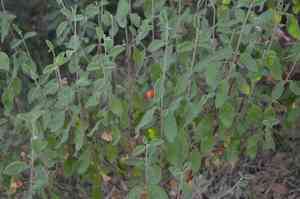
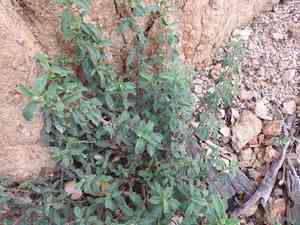
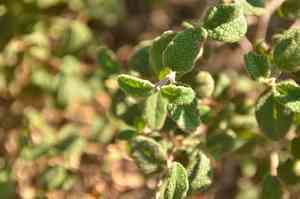
To identify Cistus salviifolius, look for its small, evergreen shrub form with sage-like, grey-green leaves that have a rough texture. The plant produces five-petaled white flowers with yellow centers, typically blooming in the spring.
Scientific Classification of Sage-leaved rock-rose
Phylum
Vascular plants
Class
Dicotyledons
Order
Malvales
Family
Rock roses
Genus
Rock rose
Species
Sage-leaved rock-rose
Planting and Growing of Sage-leaved rock-rose
Care Difficulty
Easy
Watering Schedule
Every 2 days
Sunlight Requirements
Full sun
Sunshine Duration
6-10 hours
Ideal Temperature
65-75℉
Soil Type
Potting Mix, Peat Mix
Soil pH
6.5-7.5
Fertilizer Type
Balanced
Pruning Season
Spring, Summer
Pruning Area
Branches, Leaves
Pruning Frequency
Once a year
Repotting Season
Spring
Pot Type
Ceramic, Plastic
 How to Water Sage-leaved rock-rose?
Cistus salviifolius needs about 500 ml of water each time you water it. Be sure to water until the soil is adequately moistened but not soggy, allowing excess water to drain through the pot's drainage holes. This helps ensure that roots get enough moisture without being waterlogged.
What are the symptoms of an underwatered Sage-leaved rock-rose?
›
What should I do if my Sage-leaved rock-rose is not getting enough water?
›
What are the symptoms of an overwatered Sage-leaved rock-rose?
›
How to save an overwatered Sage-leaved rock-rose?
›
 What Are the Sunlight Requirements for Sage-leaved rock-rose?
Cistus salviifolius thrives under full sun to partial sun conditions, ideally receiving 6 to 8 hours of sunlight per day. Proper light exposure results in lush foliage and abundant, healthy blooms, increasing the plant's decorative value.
More About Sunlight Requirements Techniques→
What is the best lighting condition for Cistus salviifolius?
›
How can I ensure Cistus salviifolius gets ideal light?
›
What are the benefits of ideal light exposure for Cistus salviifolius?
›
 What Is the Ideal Temperature Range for Sage-leaved rock-rose?
Cistus salviifolius thrives in a temperature range between 65°F to 75°F. This range is optimal for photosynthesis and ensures proper growth and flowering. Maintaining these temperatures supports overall plant health and vitality.
 What Soil is Best for Sage-leaved rock-rose?
Cistus salviifolius thrives in well-drained soil, allowing excess water to escape easily. This prevents root rot and helps the plant establish strong roots, ensuring healthier growth. This plant prefers soils with moderate fertility. Overly nutrient-rich soil can lead to excessive foliage growth but fewer flowers. Balanced fertility supports vibrant blooming. Cistus salviifolius flourishes in slightly alkaline conditions. Maintaining the soil pH within the preferred range enhances nutrient absorption, promoting robust plant health.
 How to Fertilize Sage-leaved rock-rose?
For Cistus salviifolius, a balanced liquid fertilizer with an N-P-K ratio of around 10-10-10 is ideal. Apply about half a teaspoon diluted in a gallon of water for container-grown plants. For those planted in the ground, use a similar dilution per plant to avoid excessive nutrients.
 How to Prune Sage-leaved rock-rose?
When pruning Cistus salviifolius, be cautious not to cut into the old wood as it may not regenerate, potentially altering the shrub's shape and beauty. Ensure that all pruning tools are clean and sterilized before use. This will prevent the spread of pathogens that can cause diseases or other issues for your plant. Examine the plant for signs of disease or pest infestations before pruning. Address any issues before proceeding with the pruning process to ensure overall plant health and vitality.
More About Pruning Techniques→
 How to Propagate Sage-leaved rock-rose plant?
1
Begin by soaking the seeds in warm water for 24 hours to soften the seed coat. This increases the chances of germination by allowing moisture to penetrate the seeds effectively.
2
Choose healthy, non-flowering stems that are about 10-15 cm long for cuttings. These stems should be free from any disease or pests, as they have better chances of rooting successfully.
3
Select a low-growing branch and gently bend it to the ground, then cover a section of it with soil while keeping the tip exposed. This encourages new roots to form at the covered section.
 How to Repot Sage-leaved rock-rose plant?
1
Signs that Cistus salviifolius requires repotting include roots growing out of the drainage holes, a plant that appears root-bound, or if the soil loses its ability to retain moisture. Ideally, repotting should occur during its growth phase in spring or autumn, providing the plant with sufficient time to adapt before extreme temperature seasons.
2
When selecting a pot for Cistus salviifolius, opt for one that is 1-2 inches larger in diameter than its current pot. This will allow room for root expansion, supporting plant health and stability. Additionally, ensure the pot has adequate drainage holes to prevent waterlogging, which could lead to root rot.
3
For optimal growth, choose a well-draining sandy soil mix that mimics the plant's natural, rocky habitat. This type of soil prevents water retention around the roots, lowering the risk of fungal diseases and promoting a healthy root system.



