How to Propagate Sage-leaved rock-rose?
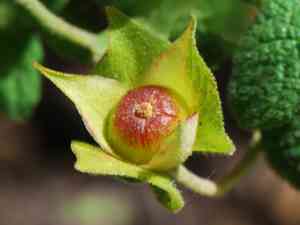
Cistus salviifolius flourishes when reproduced via cuttings. To achieve successful propagation, choose robust, non-blooming stems early in the morning. With a sharp implement, execute a precise incision just beneath a leaf joint. Immerse the severed end in rooting compound prior to potting in a substrate that drains effectively. Supplying steady hydration and warmth will aid in root formation. Partial shade can be advantageous until roots emerge, subsequently allowing you to progressively introduce the cutting to brighter illumination.
What Is the Best Time To Propagate Sage-leaved Rock-rose?
Propagation Type
Cutting
Propagation Season
Spring,Summer
What Tools Are Used in Sage-leaved Rock-rose Propagation?
Sharp Pruning Shears
These are vital for obtaining healthy, clean cuts from the parent sage-leaved rock-rose without causing harm or crushing plant tissues. Precise cuts enhance the cutting's rooting potential by reducing infection risk and improving water absorption.
Rooting Hormone Powder or Gel
This encourages faster root development on sage-leaved rock-rose cuttings. Dipping the cut stem end into the hormone stimulates root growth at the cut site, boosting overall propagation success.
Sterilizing Solution (e.g., Isopropyl Alcohol or Bleach Solution)
Used to sanitize cutting tools before and after taking sage-leaved rock-rose cuttings. Sterilization prevents disease and fungus spread, which is crucial for maintaining the health and viability of new sage-leaved rock-rose plants.
Well-Draining Potting Mix
A suitable medium is essential for sage-leaved rock-rose cuttings to root. A mix designed for cuttings or seedlings, typically containing perlite, vermiculite, and peat, ensures proper drainage and air circulation, vital for preventing rot in new roots.
Propagation Trays or Small Pots
These containers hold the potting mix and support new sage-leaved rock-rose cuttings. They must have drainage holes to allow excess water to escape, preventing root rot and promoting healthy root system development.
Plastic Dome or Cover
Placing a clear plastic cover over propagation trays or pots creates a humid microenvironment, which benefits sage-leaved rock-rose cuttings. Increased humidity helps prevent cuttings from drying out before roots establish.
How to Propagate Sage-leaved Rock-rose?
Propagation Type
Moderately Difficult
How to Care for Your Newly Propagated Sage-leaved Rock-rose?
How to Care for Your Newly Propagated Sage-leaved Rock-rose?
Once rooting is confirmed, gradually accustom the new sage-leaved rock-rose plants to less humid conditions by removing the plastic cover for increasing periods over a week. Transplant them into larger pots or a sunny, well-drained garden spot. Water regularly until established, and apply a light, balanced fertilizer during the growing season. As a drought-tolerant plant, mature sage-leaved rock-rose will require minimal watering unless in extremely dry conditions. Prune lightly after flowering to maintain a compact shape and encourage new growth.
Common Mistakes to Avoid When Propagating Sage-leaved Rock-rose
Overwatering
Excessive watering of sage-leaved rock-rose can lead to root rot due to its preference for drier conditions. This error typically results in weakened or dying plants, hindering their ability to establish and grow when propagated.
Deep planting
Planting sage-leaved rock-rose cuttings too deeply can impede their ability to sprout by reducing air and light availability, which are crucial for new growth initiation. Shallow planting ensures sufficient exposure for the cuttings.
Using poor draining soil
Employing soil that doesn't drain effectively can trap moisture around sage-leaved rock-rose's roots, which is not ideal given its resistance to excessive moisture. Poor drainage increases the likelihood of fungal diseases and root decay.
Tips For Propagating Sage-leaved Rock-rose
Well-draining soil
Using a well-draining soil mix helps mimic the natural rocky habitat of sage-leaved rock-rose. This prevents water accumulation around the roots, reducing the risk of root rot and promoting healthier growth.
Softwood cuttings
Taking softwood cuttings from sage-leaved rock-rose during active growth yields the highest propagation success rate. Softwood cuttings are more adaptable and root faster compared to hardwood cuttings from mature stems.
Moderate watering
Maintaining a balanced watering regimen ensures the soil remains slightly moist but never saturated. This is vital for sage-leaved rock-rose as it prevents both drought stress and the negative effects of overwatering, promoting steady root growth.



