How to Transplant Thorny thistle?
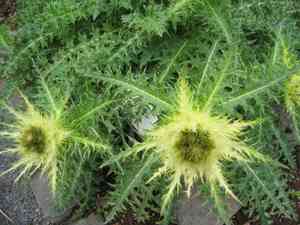
The most favorable period for transplanting thorny thistle is during temperate weather conditions, generally from early spring through its peak. Select a location that receives ample sunlight and drains effectively to foster vigorous development. It is advisable to amend the soil to ensure a thriving transplanted specimen.
What Preparations are Needed Before Transplanting Thorny Thistle?
What is the Ideal Time for Transplanting Thorny Thistle?
For thorny thistle, the optimal period to move them to a new location is from the start of early spring through the end of late spring. This timeframe, characterized by mild temperatures and thawing, workable soil, offers an excellent environment for thorny thistle to firmly establish its root system. Relocating thorny thistle as nature awakens ensures the plant has sufficient time to adjust and thrive in the coming growth seasons.
How Much Space Should You Leave Between Thorny Thistle Plants?
When getting ready to transplant your thorny thistle, it's crucial to provide ample room for development. Aim to space each plant approximately 18-24 inches (45-60 cm) apart. This generous spacing allows for robust growth and guarantees that each thorny thistle receives adequate nutrients and water.
What is the Best Soil Mix for Thorny Thistle Transplanting?
For your thorny thistle, select soil that drains well and is abundant in organic material. Before transplanting, incorporate a balanced, slow-release fertilizer to give your thorny thistle a strong start. Soil enriched with compost will also provide a healthy foundation.
Where Should You Relocate Your Thorny Thistle?
Select a site for your thorny thistle where it can receive full sunlight. This plant thrives in bright conditions and will perform best with at least 6 hours of direct sun daily. So, locate that sunny spot in your garden that gets plenty of light, and your thorny thistle will flourish!
What Equipments Should You Prepare Before Transplantation Thorny Thistle?
Gardening Gloves
To safeguard your hands when handling the thorns and root system of thorny thistle.
Spade or Shovel
For digging around and lifting the root ball of thorny thistle.
Watering Can or Hose
To hydrate thorny thistle prior to removal and following transplantation.
Pruning Shears
For trimming any damaged roots or excess foliage.
Wheelbarrow or Tarp
To move thorny thistle from its original spot to the new location.
Measuring Tape
To ensure correct spacing between transplanted thorny thistles.
How Do You Remove Thorny Thistle from the Soil?
How Do You Remove Thorny Thistle from the Soil?
From Ground: Water the thorny thistle to moisten the surrounding soil. Dig a wide trench around the plant using a shovel, preserving the root ball. Gently slide the shovel underneath to lift thorny thistle from the ground.From Pot: Tip the pot sideways and gently tap to loosen the soil. Grasp the base of thorny thistle and carefully ease it out of the pot while supporting the root ball.From Seedling Tray: Water the seedlings first. Use a spoon or small tool to scoop out the thorny thistle seedling with its soil clump, ensuring the roots remain undisturbed.
Step-by-Step Guide for Transplanting Thorny Thistle
Digging the Hole
Excavate a hole in the ground that is twice as wide and the same depth as the current root ball of thorny thistle.
Preparing the Root Ball
Inspect the root ball for any circling or girdling roots and gently separate them. Trim any broken or excessively long roots.
Placing the Plant
Position thorny thistle in the center of the hole, making sure it is at the same depth it was originally growing.
Backfilling
Fill the hole with the excavated soil and gently firm it down around the root ball to eliminate air pockets.
Watering
Thoroughly water thorny thistle, allowing the soil to settle around the roots. Avoid excessive watering to prevent root rot.
Mulching
Apply a layer of mulch around thorny thistle to help retain moisture and suppress weed growth, keeping it away from the plant's stems.
How Do You Care For Thorny Thistle After Transplanting?
Watering
Maintain a consistent watering schedule so the soil around thorny thistle stays moist until it becomes established.
Mulch Replenishment
Periodically check the mulch and add more if necessary to maintain a 2-3 inch layer.
Weeding
Remove competing weeds that may vie with thorny thistle for nutrients and water in the surrounding area.
Checking for Pests
Monitor thorny thistle for any indications of pests or disease and address any issues promptly using appropriate methods.
Supporting Growth
As thorny thistle develops, provide support if needed to help it maintain its structure and withstand wind.
Troubleshooting Common Issues with Thorny Thistle Transplantation.
How do I space thorny thistle correctly during transplantation?
Space thorny thistle optimally, aiming for a distance of 18-24 inches (45-60 cm) to allow for growth and air circulation.
What's the best time to transplant thorny thistle?
Transplant thorny thistle ideally when the weather begins to warm up, between early to late spring.
Why are my transplanted thorny thistle's leaves wilting?
Wilting after transplant may indicate shock or water stress. Ensure proper watering and consider providing shade.
What soil conditions favor thorny thistle after transplanting?
For thorny thistle, well-draining soil rich in organic matter helps roots establish post-transplant.
How often should I water thorny thistle post-transplanting?
Water thorny thistle generously after transplant, then regularly until established, reducing frequency as it matures.
Should I fertilize thorny thistle immediately after transplanting?
Wait a few weeks before fertilizing newly transplanted thorny thistle to avoid burning delicate roots.
How deep should I plant thorny thistle?
Plant thorny thistle at the same depth it was growing in its previous location for best results.
Can I transplant thorny thistle on a hot, sunny day?
Avoid hot, sunny conditions when transplanting thorny thistle; overcast days minimize stress and evaporation.
What are signs of overwatering my transplanted thorny thistle?
Symptoms like yellowing leaves, root rot, and stunted growth can signal overwatering in thorny thistle.
How can I protect my transplanted thorny thistle from pests?
Monitor thorny thistle regularly, remove weeds, use organic mulch, and consider gentle insecticides if needed.



