Enhancing Your Garden Design with the Thorny thistle Plant: A Landscaping Guide
1
Thorny thistle presents a distinct aesthetic that enriches garden textures and provides contrast.
2
Adequate sunlight is vital for the development and well-being of Thorny thistle.
3
Thorny thistle delivers ecological advantages, fostering local fauna and biological diversity.
Appreciating the Visual Appeal of Thorny Thistle
Highlighting the distinct visual impact of Thorny thistle
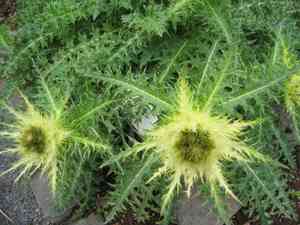
A prominent characteristic of Thorny thistle is its singular visual presence. This plant possesses an almost architectural quality due to its spiky foliage and sturdy form. When integrated into your garden design, Thorny thistle instantly becomes a focal point, capturing attention and introducing a touch of untamed beauty to your outdoor space. Its unique look can spark conversations and impart an exotic feel to your garden.
How Thorny thistle's unique appearance enhances garden textures and contrasts
Thorny thistle offers more than just aesthetics; it also serves a practical purpose in enriching garden textures and creating contrasts. Its prickly, rugged leaves provide a beautiful counterpoint to softer, more delicate plants, fostering a balanced and visually engaging landscape. By pairing Thorny thistle with diverse plant varieties, you build depth and variety, making your garden more captivating. Envision it as adding layers to your garden, where each plant type complements the others, boosting the overall textural richness.
Seasonal transformations and their impact on Thorny thistle's aesthetic charm
Another captivating aspect of Thorny thistle is its seasonal evolution. During spring and summer, its vibrant green and distinctive shape stand out against the backdrop of more common garden flora. As autumn arrives, the foliage may adopt different hues, adding seasonal interest and helping your garden transition gracefully throughout the year. Grasping these seasonal shifts is crucial for maximizing Thorny thistle's visual appeal year-round.
Selecting the Optimal Site for Thorny Thistle
Factors to consider when positioning Thorny thistle in your garden
Placement is paramount when cultivating Thorny thistle. You'll need to evaluate various elements such as soil composition, drainage, and available space. Thorny thistle thrives in well-draining soil and can adapt to diverse soil conditions. It also requires ample room to grow without being overshadowed by taller plants. Correct positioning will ensure Thorny thistle reaches its full potential and positively contributes to your landscape design without causing overcrowding or competition with other plants.
Influence of sun exposure on Thorny thistle's development and vitality
Sunlight exposure is vital for Thorny thistle's growth and health. This plant favors bright sun and needs at least 6 hours of direct sunlight daily. Insufficient sun can result in stunted growth and weaker plants. Conversely, abundant sunlight allows Thorny thistle to flourish and exhibit its complete aesthetic potential. When choosing a location for Thorny thistle, ensure it receives plenty of sunlight throughout the day to maintain its health and vibrancy.
Methods for incorporating Thorny thistle with other plants in your landscape
Integrating Thorny thistle with other plants can be an artistic endeavor. Given its distinctive appearance, Thorny thistle pairs well with softer, less spiky plants and those with contrasting leaf colors. Consider planting it alongside grasses or other native species to achieve a naturalistic look. Additionally, Thorny thistle can be utilized in rock gardens or as border plants to define areas within your garden. The key is to balance its bold presence with other elements to create a harmonious and visually pleasing landscape.
Care Guidelines for Thorny Thistle
Fundamental maintenance practices for healthy Thorny thistle
Caring for Thorny thistle involves a few basic routines to ensure it remains robust and attractive. Consistent watering, especially during dry periods, keeps the plant hydrated. While Thorny thistle is generally low-maintenance, periodic checks for pests and diseases are recommended. Mulching can help retain moisture and promote healthy soil. Prune any dead or damaged parts to encourage new growth and maintain the plant's appearance.
Managing the spread of Thorny thistle to ensure garden equilibrium
Thorny thistle can be quite vigorous, so controlling its expansion is important for maintaining garden balance. You might need to implement strategies such as root barriers or regular trimming to prevent it from encroaching on other plants. Consistent monitoring helps you detect early signs of unwanted spreading. By keeping Thorny thistle in check, you preserve a balanced and orderly garden.
Seasonal care routines
Seasonal maintenance is essential for keeping Thorny thistle at its peak. In spring, focus on encouraging new growth by providing appropriate nutrients and water. Summer may necessitate additional watering and shading methods if temperatures are high. In autumn, prepare Thorny thistle for colder months by reducing watering and potentially adding a layer of mulch to protect its roots. Understanding and following these seasonal routines will help your Thorny thistle thrive year-round.
The Ecological Impact of Including Thorny Thistle in Your Landscape
Eco-friendly advantages of Thorny thistle
Incorporating Thorny thistle into your landscape offers several ecological benefits. It is a resilient plant that often requires less water and fewer chemical treatments compared to more delicate species. This makes it a sustainable option that can help reduce your garden's overall environmental footprint. Furthermore, its resistance to pests means you can maintain a healthier garden ecosystem without heavy reliance on pesticides.
How Thorny thistle supports local wildlife and biodiversity
Thorny thistle plays a significant role in sustaining local wildlife and fostering biodiversity. Its blossoms can attract various pollinators, including bees and butterflies, which are crucial for a flourishing garden ecosystem. Birds may also find its seeds a valuable food source. By integrating Thorny thistle into your landscape, you contribute to a more biodiverse and balanced local environment.
Considerations for sustainable gardening with Thorny thistle
Sustainable gardening with Thorny thistle involves intelligent planting and maintenance practices that minimize environmental impact. Consider planting Thorny thistle in areas where it can make the greatest ecological contribution, such as borders that require less frequent watering or parts of the garden that welcome wildlife. Avoid excessive fertilization, as this can lead to unnecessary runoff and soil degradation. With thoughtful planning and care, you can enjoy the benefits of Thorny thistle while also practicing sustainable gardening.



