How to Prune Thorny thistle?
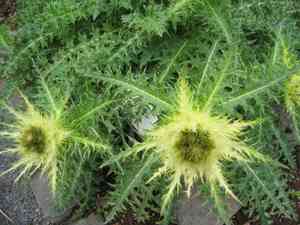
This perennial, resembling a thistle, is recognized for its prickly leaves and vigorous development. For thorny thistle, the best pruning practice involves removing faded blossoms to stop self-propagation and trimming the foliage down to the soil level in late fall. Perform pruning in spring and summer to sustain the plant's vitality and form. Exercise caution when handling thorny thistle because of its spines, and always use protective gloves. Pruning encourages new growth, deters unwanted insects, and promotes abundant flowering in the subsequent period.
What Are the Benefits of Pruning Thorny Thistle?
What Are the Benefits of Pruning Thorny Thistle?
Trimming thorny thistle is essential for sustaining its robust development and desired form. Strategic cuts direct energy to the most vigorous parts, boosting vitality and keeping the plant well-shaped and manageable.
What Is the Best Time for Pruning Thorny Thistle?
What Is the Best Time for Pruning Thorny Thistle?
Pruning thorny thistle during Spring and early Summer is advantageous as it aligns with the plant's natural growth cycle following winter dormancy. In Spring, the risk of frost has decreased, allowing the plant to recover from pruning cuts without the threat of frost damage. Early growth is also when the plant's sap flow is most active, enabling thorny thistle to quickly bounce back from pruning stress. Furthermore, trimming before or during the initial flowering phase can help shape the plant, remove any dead or diseased stems, and encourage more vigorous growth. Avoiding pruning in late Summer or Fall prevents potential harm to new growth that may not endure winter conditions.
What Tools Do I Need to Prune Thorny Thistle?
Heavy-Duty Gloves
Protection against the sharp thorns of thorny thistle.
Pruning Shears
Ideal for cutting through the relatively soft stems of thorny thistle.
Lopping Shears
Better for reaching into dense growth and cutting thicker stems, providing leverage.
Long-Handled Pruners
Offer safe reach into thorny thistle without the risk of getting scratched by thorns.
Pruning Saw
Useful for removing larger stems or branches that shears cannot handle.
How to Prune Thorny Thistle
Safety
Wear thick gloves and protective clothing to prevent injury from thorny thistle's sharp spines when handling the plant.
Clean Tools
Sterilize pruning tools using a solution of 1 part bleach to 9 parts water to prevent the spread of diseases.
Remove Diseased Leaves
Carefully trim any diseased leaves from thorny thistle, cutting them at the base where they meet the stem or main part of the leaf structure.
Cut Back Withered Leaves
Snip off withered leaves of thorny thistle at their base as well, to encourage new growth and improve air circulation around the plant.
Eliminate Diseased Stems
Identify and prune away any diseased stems of thorny thistle, cutting back to a healthy section, well below the affected area, to prevent further infection.
Common Pruning Mistakes with Thorny Thistle
Over-Pruning
Removing too much foliage from thorny thistle at once can stress the plant and hinder its growth and recovery.
Improper Cut Location
Cutting too far from a bud, node, or the main stem can result in unsightly stubs that delay the healing process and could lead to disease.
Using Dull Tools
Dull or unclean pruning tools can damage the stems of thorny thistle, leading to jagged cuts that are more susceptible to pests and diseases.
Neglecting To Remove Dead Growth
Failure to remove dead or weak growth can hinder air circulation and light penetration, crucial for the health of thorny thistle.
Ignoring Growth Pattern
Not considering the natural growth pattern of thorny thistle when pruning can result in a less aesthetically pleasing shape and reduced flowering.
Common Pruning Tips for Thorny Thistle
Wear Protection
Due to the spiny nature of thorny thistle, always wear thick gloves and long sleeves to protect the skin from thorns during pruning.
Clean Cuts
Make clean and sharp cuts close to the buds or nodes to promote faster healing and reduce the likelihood of disease.
Sanitizing Tools
Before and after pruning thorny thistle, sanitize the tools to prevent the spread of pests and diseases to or from the plant.
Focus On Dead Or Weak Stems
Prioritize the removal of dead, diseased, or weak stems to maintain the health and vigor of thorny thistle, while encouraging stronger growth and blooming.
Shape Conservation
Keep the natural shape of thorny thistle in mind while pruning to encourage a more natural and pleasing appearance, as well as to maintain plant health.



