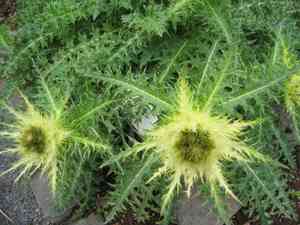
Thorny thistle (Cirsium spinosissimum)
Also known as: Spiny Thistle, Spiniest Thistle
Originating from Europe, Cirsium spinosissimum, commonly known as the Spiniest Thistle, thrives in dry, rocky regions. This plant earns its name due to the extensive spines covering every part of it.
In This Article
Attributes of Thorny thistle
Lifespan
Perennial
Plant Type
Herb
Plant Height
20 cm to 80 cm
Spread
10-30 cm
Leaf Color
Green Blue
Flower Size
1.5 cm to 2 cm
Flower Color
Yellow White Green Purple Brown
Images of Thorny thistle
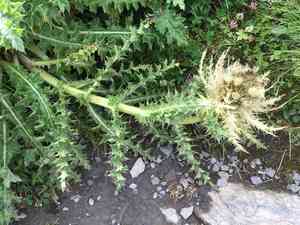
Quickly Identify Thorny thistle
1
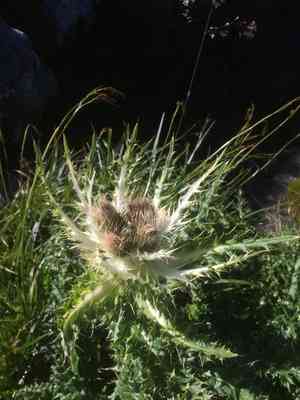
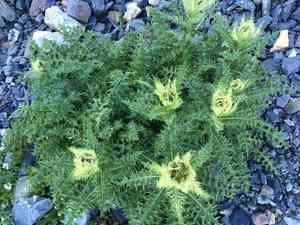
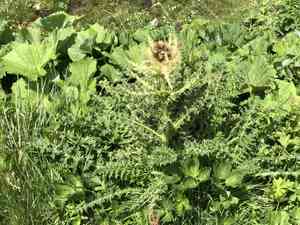
Identify Cirsium spinosissimum by its highly spiny leaves and stems, pale yellow flowers, and its occurrence in high-altitude, rocky habitats.
Scientific Classification of Thorny thistle
Phylum
Vascular plants
Class
Dicotyledons
Order
Asterales
Family
Daisy
Genus
Thistles
Species
Thorny thistle
Planting and Growing of Thorny thistle
Care Difficulty
Easy
Watering Schedule
Every 2 days
Sunlight Requirements
Full sun
Sunshine Duration
4-8 hours
Ideal Temperature
50-70℉
Soil Type
Potting Mix, Peat Mix
Soil pH
6.5-7.5
Fertilizer Type
Balanced
Pruning Season
Spring, Summer
Pruning Area
Branches, Leaves
Pruning Frequency
2 times a year
Repotting Season
Spring
Pot Type
Plastic, Ceramic
 How to Water Thorny thistle?
When watering Cirsium spinosissimum, ensure that the soil is moistened but not waterlogged. A general rule is to provide around 250ml of water each time, aiming to keep the soil evenly damp and allowing excess water to drain away.
What are the symptoms of an underwatered Thorny thistle?
›
What should I do if my Thorny thistle is not getting enough water?
›
What are the symptoms of an overwatered Thorny thistle?
›
How to save an overwatered Thorny thistle?
›
 What Are the Sunlight Requirements for Thorny thistle?
Cirsium spinosissimum thrives best in full sun, which enhances photosynthesis and facilitates vibrant blooming. This sun preference ensures the plant maintains robust growth and withstands environmental stressors effectively.
More About Sunlight Requirements Techniques→
Best Time for Sun Exposure
›
Ensuring Consistent Light
›
Adapting to Seasonal Changes
›
 What Is the Ideal Temperature Range for Thorny thistle?
The ideal temperature range for growing Cirsium spinosissimum is between 50°F and 70°F. This range helps ensure optimal physiological processes, including photosynthesis and nutrient uptake. Consistent temperatures within this range promote robust growth, resulting in healthy foliage and improved flowering potential.
 What Soil is Best for Thorny thistle?
Cirsium spinosissimum thrives in nutrient-rich soils where organic matter is abundant. Such conditions support robust growth and help the plant develop thick, lush foliage. Nutrients are essential for the plant's health as they aid in producing energy for growth and reproduction. This plant prefers soils that allow good drainage, preventing waterlogging that can lead to root rot. Well-draining soils ensure the roots have access to air and avoid diseases that flourish in overly moist conditions, promoting healthier, more resilient plants. While drainage is critical, Cirsium spinosissimum also benefits from soils that can retain some moisture. This balance ensures that the plant does not dry out during warmer periods while also avoiding root damage from saturation. This condition is crucial for sustaining the plant in varied weather conditions.
 How to Fertilize Thorny thistle?
For Cirsium spinosissimum, a balanced fertilizer with an NPK ratio of 10-10-10 is ideal. Apply liquid fertilizer at a diluted rate of 1/4 teaspoon per gallon of water to avoid overfeeding, as this plant prefers lean conditions with controlled nutrient access.
 How to Prune Thorny thistle?
Start by trimming away any dead or damaged foliage. This helps prevent disease from setting in and allows the plant to redirect energy towards new growth, keeping it vibrant and flourishing. Trim back the outer growth to maintain a compact shape. Focus on cutting back long, unruly stems to encourage a dense, bushy appearance that optimally captures sunlight and supports overall health. While pruning, identify and remove spent flowers. This practice, called deadheading, promotes further blooming and keeps the plant looking fresh, while also preventing unwanted seed dispersal.
More About Pruning Techniques→
 How to Propagate Thorny thistle plant?
1
Before sowing, ensure that Cirsium spinosissimum seeds are cleaned and free from any debris. This helps in improving germination rates and prevents any plant diseases from taking hold at the earliest stages of growth.
2
Scatter the seeds lightly on the surface of the seed tray filled with potting soil. It's important not to bury them too deeply, as this can impede germination due to lack of light exposure, which is usually necessary for seed activation.
3
Lightly water the seeds after sowing to maintain a consistently moist environment. Using a gentle spray to avoid washing small seeds away is recommended, ensuring that the soil is damp but not waterlogged to prevent rot.
 How to Repot Thorny thistle plant?
1
Cirsium spinosissimum typically shows signs of needing repotting when its roots become visible at the surface or through the drainage holes. Additionally, if growth is stunted or the soil appears compacted and dry despite regular watering, it's time for a change. Ideally, repot this plant during its active growing seasons in spring or autumn to minimize stress.
2
Select a pot that is just one size bigger than the current one, ensuring at least one drainage hole at the bottom to prevent water logging. A terracotta pot is beneficial as it allows air and moisture to pass through the walls, aiding root health. Make sure the pot is stable enough to support the spiny and potentially top-heavy nature of the plant.
3
Opt for a well-draining garden soil mixed with a bit of sand or organic matter to mimic its natural habitat. This mixture not only prevents water accumulation around the roots but also provides essential nutrients and aeration. The right soil ensures that Cirsium spinosissimum thrives by encouraging healthy root development and strong structural growth.
Learn More About Thorny thistle Diseases
Anthracnose
Bacterial Leaf Spot
Bacterial Wilt
Crown Gall
Cyst Nematode
Damping-off
Downy Mildew
Drought Stress
Fusarium Wilt
Gray Mold
Leaf Spot
Mosaic
Nutrient Deficiency
Nutrient Toxicity
Powdery Mildew
Root Rot
Root-knot Nematode
Rusts
Sooty Mold
Spider Mites
Temperature Stress
Thrips Damage
White Mold



