How to Transplant Melancholy thistle?
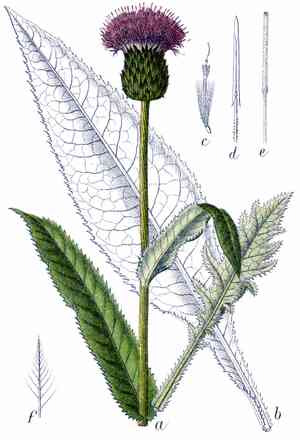
The optimal period for transplanting melancholy thistle is during the early to mid-spring season. Choose locations that offer partial sunlight and soil that retains moisture well. To ensure robust development, prepare a suitable planting area and handle the roots with care.
What Preparations are Needed Before Transplanting Melancholy Thistle?
What is the Ideal Time for Transplanting Melancholy Thistle?
The perfect period for moving melancholy thistle is when winter's cold recedes and growth begins, typically from early March to late May. During this time, melancholy thistle roots are ready to establish in warmer soil, and the risk of frost has largely passed. Transplanting in this season allows melancholy thistle to settle and utilize the full growing period ahead, leading to strong development and a beautiful display of its natural charm.
How Much Space Should You Leave Between Melancholy Thistle Plants?
When preparing to rehome melancholy thistle, position them approximately 18-24 inches (45-60 cm) apart. This provides ample room for them to grow and flourish without becoming overcrowded.
What is the Best Soil Mix for Melancholy Thistle Transplanting?
For melancholy thistle, you'll need soil that is rich and retains moisture, yet drains effectively. Prepare the planting area with loamy soil and incorporate some well-decomposed compost or a balanced, slow-release fertilizer to provide a welcoming environment.
Where Should You Relocate Your Melancholy Thistle?
Select a location for melancholy thistle that receives both sun and partial shade, allowing it to enjoy sunlight without suffering from sunburn. This ensures your melancholy thistle gets the optimal light conditions to thrive.
What Equipments Should You Prepare Before Transplantation Melancholy Thistle?
Shovel or spade
For excavating the plant from its original spot and digging the new hole in the ground.
Garden fork
To loosen the soil around the plant's root ball and help aerate the soil in the new planting location.
Gardening Gloves
To safeguard your hands while handling soil and plants.
Watering can or hose
To hydrate the plant before and after relocation, helping to reduce stress on the roots.
Wheelbarrow or plant trolley
To move the plant from its initial position to the new site without harming the root ball.
Pruning Shears
To trim any damaged roots or foliage prior to transplanting.
Organic mulch
To assist in retaining soil moisture around the newly planted area.
How Do You Remove Melancholy Thistle from the Soil?
How Do You Remove Melancholy Thistle from the Soil?
From Ground: First, moisten the soil around the melancholy thistle plant. This makes digging easier and reduces plant stress. Use a shovel or garden fork to carefully dig a wide circle around the plant, avoiding the root ball. Gently pry beneath the root ball and lift the plant from its original spot.From Pot: Water the melancholy thistle plant in its container. Once the soil is damp, place your hand on the soil surface with the plant stem between your fingers. Invert the pot and gently ease the plant out, supporting its base. If it resists, tap the pot's sides or roll it to loosen the soil.From Seedling Tray: Water the seedlings lightly to avoid disturbing their roots. Use a dibber or small tool to carefully lift each seedling from the tray, ensuring as much of the root system and soil remain intact as possible. Handle seedlings by their leaves, not the stem, to prevent damage.
Step-by-Step Guide for Transplanting Melancholy Thistle
Prep the New Site
Before extracting your melancholy thistle from its current spot, prepare the new planting hole. Dig a hole twice as wide and as deep as the root ball. Loosen the surrounding soil with a garden fork.
Prepare the Plant
After removing melancholy thistle from its initial location, gently shake off any loose soil, and trim any broken or overly long roots to encourage fresh growth.
Place in the Hole
Position melancholy thistle in the center of the new hole. Ensure it stands upright and at the same depth it was previously growing. Partially backfill the hole and water to settle the soil, eliminating air pockets.
Complete Planting
Finish backfilling the hole and gently firm the soil without excessive compaction. Create a watering basin around the base to help direct moisture to the roots and support the plant.
Mulch and Water
Apply a layer of organic mulch around the base of the melancholy thistle, being careful not to place it directly against the plant stems. Water the area thoroughly to ensure the soil is moistened and to help reduce transplant shock.
How Do You Care For Melancholy Thistle After Transplanting?
Initial Watering
Keep the soil around melancholy thistle consistently moist for the first few weeks. This aids in the establishment of new roots in the transplant location.
Observation
Regularly inspect the melancholy thistle for indications of transplant shock, such as wilting, yellowing, or leaf drop, and take appropriate action if needed.
Pruning
Pruning is generally not required immediately after transplanting, but remove any dead or diseased foliage to help the melancholy thistle focus on root establishment.
Supports
If melancholy thistle is tall or in a windy area, consider staking or supporting the plant until it is firmly rooted and can stand independently.
Troubleshooting Common Issues with Melancholy Thistle Transplantation.
What's the best time to transplant melancholy thistle for optimal growth?
The ideal period is early to mid-spring, once the soil becomes workable.
How far apart should I space melancholy thistle when transplanting?
Allow them ample room by spacing 18-24 inches (45-60 cm) apart.
What depth should I plant melancholy thistle's roots in the soil?
The root ball should be planted at the same depth it was growing before.
Why are my transplanted melancholy thistle wilting post-transplant?
Wilting can be due to root shock or insufficient water; keep the soil moist.
How much should I water melancholy thistle after transplanting?
Water generously initially to settle the soil, then regularly to maintain moisture.
Should I amend the soil when transplanting melancholy thistle?
Yes, enriching the soil with compost or organic matter encourages healthy growth.
Can melancholy thistle be transplanted on a hot, sunny day?
Transplant in cool, overcast conditions to minimize stress and evaporation.
How do I know if the soil is right for transplanting melancholy thistle?
Ensure the soil drains well; melancholy thistle does not thrive in overly wet conditions.
Is mulching beneficial for melancholy thistle after transplanting?
Yes, mulch retains moisture and suppresses weeds, aiding in melancholy thistle's recovery.
What signs indicate that melancholy thistle is successfully acclimating after transplant?
New growth and absence of wilting are good indicators of successful acclimation.



