How to Propagate Melancholy thistle?
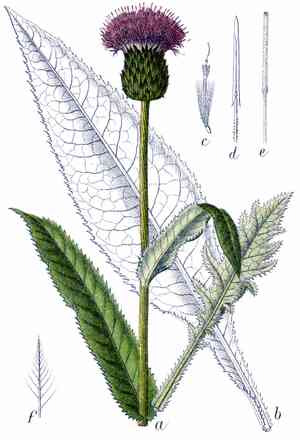
Melancholy thistle flourishes when reproduced via seeding. For peak outcomes, scatter the seeds in a well-aerated, damp potting blend. Begin by gently blanketing the seeds with substrate, as they need some illumination to sprout successfully. Confirm the growing medium stays uniformly hydrated but not oversaturated. Sprouting can be improved by sustaining a steady temperature within an appropriate spectrum. Consistent observation for fungal development is vital, and intervention should occur at the initial indications to avert harm to the seeds.
Optimal Time for Melancholy Thistle Propagation
Propagation Method
Seeding
Propagation Period
Spring
Tools for Melancholy Thistle Propagation
Seed trays
These containers are vital for indoor seed starting, allowing precise control over soil composition and moisture, which is key for melancholy thistle seed germination. Compartments in seed trays help maintain individual seed space, reducing competition and enabling easy transplanting without root disturbance.
Fine textured potting mix
A premium, fine-textured potting mix offers essential support and nutrient balance for melancholy thistle seeds. Its fine consistency is especially beneficial for ensuring close seed contact, improving water retention and aeration, both critical for melancholy thistle germination.
Misting bottle
A misting bottle is used to gently hydrate seeds without dislodging them. The fine spray ensures the potting mix remains damp but not saturated, crucial for melancholy thistle germination. This tool aids in precise hydration control during early seed development.
Heat mat
A heat mat provides consistent bottom warmth, important for maintaining the ideal soil temperature for melancholy thistle seed germination. As temperature shifts can greatly impact germination rates, a heat mat ensures a stable environment, boosting melancholy thistle germination and initial growth.
Grow lights
Grow lights are useful if natural light is insufficient. They supply the necessary light spectrum for photosynthesis in developing melancholy thistle seedlings, promoting stronger, healthier growth. Proper lighting is essential once melancholy thistle seeds have sprouted to encourage robust development.
How to Propagate Melancholy Thistle?
Propagation Type
Simple
Caring for Newly Propagated Melancholy Thistle
Caring for Newly Propagated Melancholy Thistle
Melancholy thistle thrives in damp, well-drained soil and prefers full sun to partial shade. After propagation, ensure young plants receive consistent watering, especially during dry spells. Mulching around the plant's base helps retain moisture and suppress weeds. As a perennial, melancholy thistle generally needs minimal upkeep once established, but monitoring for pests and diseases will keep it healthy. Removing spent flowers can encourage more blooms and extend the flowering period.
Common Errors to Avoid When Propagating Melancholy Thistle
Overwatering
Excessive watering of melancholy thistle can lead to root rot and fungal issues, ultimately weakening the plant. Melancholy thistle prefers moist but well-drained soil conditions.
Deep Planting
Planting melancholy thistle seeds or root cuttings too deeply can hinder germination or root emergence. Shallow planting ensures adequate light exposure and promotes healthy growth.
Ignoring Soil pH
Failing to adjust the soil to melancholy thistle's preference for slightly acidic to neutral pH can impede its growth. Melancholy thistle may struggle in overly alkaline or highly acidic soils.
Tips For Propagating Melancholy Thistle
Use Fresh Seeds
For seed propagation, utilizing fresh seeds improves germination rates. Melancholy thistle seeds have higher viability soon after harvest, ensuring better success.
Cold Stratification
Exposing melancholy thistle seeds to a cold stratification process helps break seed dormancy, which is crucial for stimulating germination in subsequent planting.
Soil Preparation
Preparing the soil with sufficient organic matter and ensuring good drainage will support the healthy growth of melancholy thistle. This step is particularly important for root development.



