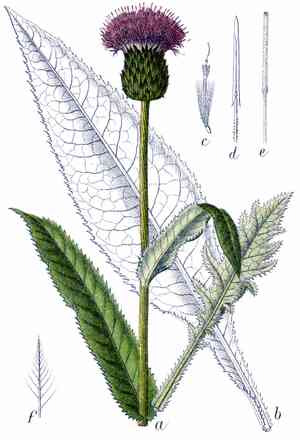
Melancholy thistle (Cirsium heterophyllum)
Also known as: Melancholy Thistle
The Blazing Star (Liatris spicata) is a tall, sturdy meadowflower with striking violet blooms. Often grown in wildflower gardens, this plant is native to North America and is known for attracting a diverse array of bees, butterflies, and other pollinators.
In This Article
Attributes of Melancholy thistle
Lifespan
Perennial
Plant Type
Herb
Plant Height
1.1 m
Spread
1 m
Leaf Color
Green
Flower Size
3 cm to 5 cm
Flower Color
Pink Purple
Images of Melancholy thistle
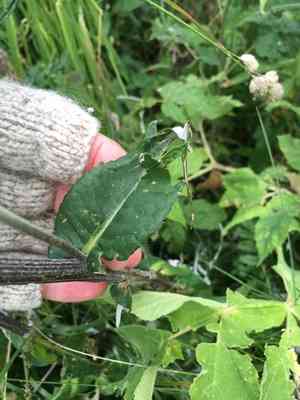
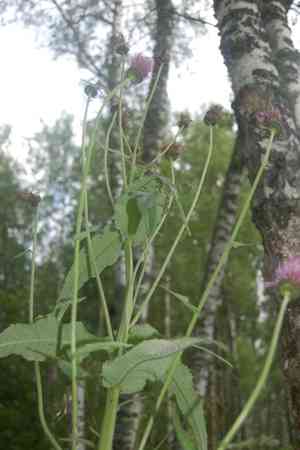
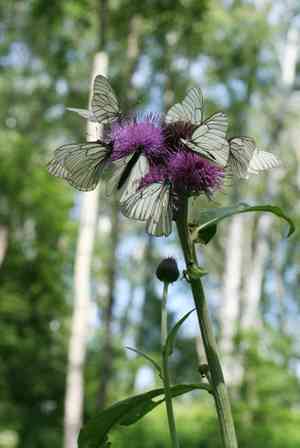
Quickly Identify Melancholy thistle
1
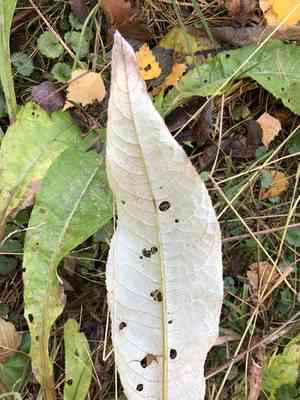
Cirsium heterophyllum can be identified by its wide, deeply lobed, spiny leaves and solitary, purple flower heads. The plant lacks basal rosettes which are common in other thistles. The leaves are hairless on the upper surface but woolly underneath.
Scientific Classification of Melancholy thistle
Phylum
Vascular plants
Class
Dicotyledons
Order
Asterales
Family
Daisy
Genus
Thistles
Species
Melancholy thistle
Planting and Growing of Melancholy thistle
Care Difficulty
Easy
Watering Schedule
Every 2 days
Sunlight Requirements
Partial sun
Sunshine Duration
4-6 hours
Ideal Temperature
50-68℉
Soil Type
Potting Mix, Peat Mix
Soil pH
6.5-7.5
Fertilizer Type
Balanced
Pruning Season
Spring, Summer
Pruning Area
Branches, Leaves
Pruning Frequency
Once a year
Repotting Season
Spring
Pot Type
Plastic, Ceramic
 How to Water Melancholy thistle?
Cirsium heterophyllum typically requires moderate watering. Each watering session should provide approximately 250 milliliters of water. The goal is to moisten the soil thoroughly, ensuring the water reaches deeper root zones without causing waterlogging.
What are the symptoms of an underwatered Melancholy thistle?
›
What should I do if my Melancholy thistle is not getting enough water?
›
What are the symptoms of an overwatered Melancholy thistle?
›
How to save an overwatered Melancholy thistle?
›
 What Are the Sunlight Requirements for Melancholy thistle?
Partial sun is ideal, offering a balance that supports healthy foliage and vibrant blooms. This ensures strong development and resistance to environmental stresses.
More About Sunlight Requirements Techniques→
How much sunlight does Cirsium heterophyllum need?
›
What are the best locations to plant Cirsium heterophyllum?
›
How does exposure to ideal light affect Cirsium heterophyllum?
›
 What Is the Ideal Temperature Range for Melancholy thistle?
Cirsium heterophyllum thrives best within an ideal temperature range of 50°F to 68°F. This range supports optimal growth and allows the plant to develop foliage and flowers healthily. At these temperatures, Cirsium heterophyllum can efficiently photosynthesize and maintain its physiological processes, which are critical for robust growth and overall plant health.
 What Soil is Best for Melancholy thistle?
Cirsium heterophyllum thrives in nutrient-rich soils that provide essential elements for growth. A good supply of nutrients enhances the plant's vigor and aids in robust flowering. Adequate drainage is critical to prevent waterlogging, which can lead to root rot. Well-drained soil ensures that the roots receive enough oxygen, promoting healthy plant development. While drainage is essential, the soil should also retain enough moisture to support consistent growth. This balance ensures that the plant has a regular water supply without the risk of overstaying moisture.
 How to Fertilize Melancholy thistle?
Cirsium heterophyllum benefits from moderate fertilization. Apply liquid fertilizer at half the recommended strength on the package to avoid nutrient burn. For slow-release fertilizers, use according to the package instructions but sparingly to prevent soil nutrient imbalance.
 How to Prune Melancholy thistle?
Begin by identifying any dead, damaged, or diseased stems. Use clean, sharp pruning shears to cut these back to the main stem or a healthy bud. Next, manage the overall shape by trimming back overgrown or leggy stems just above a leaf node. This encourages the plant to produce new growth and bloom more profusely. It's crucial to also remove spent flowers to prevent the plant from self-seeding excessively.
More About Pruning Techniques→
 How to Propagate Melancholy thistle plant?
1
Collect seeds from mature Cirsium heterophyllum plants in late summer or early autumn. Ensure seeds are fully developed and dry them thoroughly before storage.
2
For seed propagation, use a well-draining seed-starting mix. Fill seed trays or pots with the mix, ensuring it's moist but not waterlogged.
3
For division, carefully dig up the plant in late spring or early summer. Use a knife or spade to separate healthy sections, each with roots and growing shoots.
 How to Repot Melancholy thistle plant?
1
Cirsium heterophyllum should be repotted when roots start to emerge from the drainage holes or when growth noticeably slows down. These signs often indicate that the plant has become root-bound, limiting its nourishment and space. Spring and summer are ideal times to repot because the plant is in its active growth phase, ensuring it can recover more quickly from the transplant shock.
2
Select a pot that is 1-2 inches larger in diameter than the current one. This size provides ample space for new root growth without overwhelming the plant, which can lead to poor drainage and root rot. Additionally, ensure the pot has sufficient drainage holes to allow excess water to escape, preventing waterlogged soil which can harm the plant's roots.
3
Opt for a well-draining potting mix, ideally one containing a blend of peat, perlite, and a little sand. This combination provides a balance of moisture retention and aeration, essential for Cirsium heterophyllum's root health. Such soil prevents water retention, reducing the risk of root rot while supporting robust plant growth.
Learn More About Melancholy thistle Diseases
Anthracnose
Bacterial Leaf Spot
Bacterial Wilt
Black Spot
Chemical Injury
Crown Gall
Cyst Nematode
Damping-off
Downy Mildew
Drought Stress
Fusarium Wilt
Gray Mold
Leaf Curl
Leaf Spot
Mosaic
Nutrient Deficiency
Nutrient Toxicity
Powdery Mildew
Root Rot
Root-knot Nematode
Rusts
Sooty Mold
Spider Mites
Temperature Stress
Thrips Damage
White Mold



