How to Prune Melancholy thistle?
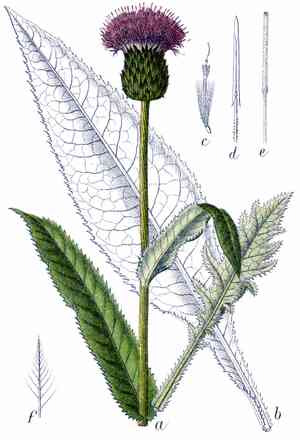
This thistle, readily identified by its fuzzy, prickly leaves and elevated floral stem, thrives with targeted deadheading once blossoms diminish in late summer. Trimming in springtime fosters more compact foliage and controls its dimensions. Throughout the suggested spring and summer pruning periods, snip withered flowers down to their base to inhibit self-propagation and stimulate additional flowering. Pruning can improve the melancholy thistle's aesthetic and vitality, lessening the dispersal of seeds within the garden.
What Are the Benefits of Pruning Melancholy Thistle?
What Are the Benefits of Pruning Melancholy Thistle?
Trimming melancholy thistle promotes vigorous development and assists in preserving its desired form. This horticultural practice stimulates fresh, robust shoots and contributes to a more structurally sound and aesthetically pleasing plant.
What Is the Best Time for Pruning Melancholy Thistle?
What Is the Best Time for Pruning Melancholy Thistle?
Late spring to early summer is the optimal period to prune melancholy thistle, as this time follows the plant's initial growth surge but precedes bud formation for the subsequent year. Pruning in late spring ensures the removal of any winter frost damage, fostering healthier growth. Early summer pruning aligns with melancholy thistle's natural growth cycle, enabling rapid recovery and directing energy towards producing strong foliage and preparing for its blooming phase. Pruning during this window also minimizes disease risk, as drier weather aids wound healing and reduces the likelihood of fungal or bacterial infections.
What Tools Do I Need to Prune Melancholy Thistle?
Bypass Pruners
Perfect for making precise cuts on the young stems of melancholy thistle, bypass pruners inflict less harm on plant tissues, encouraging healthier regrowth.
Gardening Gloves
Given that melancholy thistle possesses prickly thistles, it is crucial to safeguard hands during pruning activities.
Long-handled Loppers
These are suitable for reaching into melancholy thistle's dense growth without being scratched by the thistles and can cut through thicker stems that bypass pruners might not manage.
Garden Shears
For trimming and shaping melancholy thistle's foliage, garden shears can be utilized to quickly cut through soft plant material and help maintain the desired plant shape.
How to Prune Melancholy Thistle
Disinfect
Clean and sanitize pruning shears before beginning. Sterilize blades with a solution of one part bleach to nine parts water or use rubbing alcohol. This helps prevent disease transmission during the trimming process.
Remove diseased leaves
Carefully inspect melancholy thistle and use your pruning shears to snip off any leaves exhibiting signs of disease. Make cuts close to the main stem, ensuring clean removal without leaving stubs.
Remove withered leaves
Identify withered or dead leaves on melancholy thistle and cut them at their base. Doing so promotes improved airflow and light penetration, which enhances the plant's health.
Cut diseased stems
Prune out diseased stems from melancholy thistle by making an angled cut just above a healthy leaf node. Ensure the cut is clean and smooth to aid the plant's quicker healing.
Clean up
Dispose of all diseased and dead plant material removed from melancholy thistle. Do not compost as diseases might spread. Clean pruning tools again after trimming to prevent contamination to other plants.
Common Pruning Mistakes with Melancholy Thistle
Over-pruning
Removing excessive foliage from melancholy thistle at once can stress the plant, leading to weakened growth and reduced flowering potential.
Cutting into old wood
Melancholy thistle responds best when pruned into the current or previous year's growth. Cutting too far back into old, woody stems can result in poor regrowth.
Ignoring deadheading
Failing to remove spent flowers from melancholy thistle can diminish its vigor and prevent the plant from directing energy toward new growth and blooms.
Pruning without sterilizing tools
Using uncleaned pruning tools can introduce diseases to melancholy thistle, which can be detrimental to its health. Always clean and sterilize cutting instruments before use.
Inconsistent pruning technique
Using an improper technique, such as tearing stems instead of making clean cuts, can damage melancholy thistle, making it more susceptible to disease.
Common Pruning Tips for Melancholy Thistle
Clean cuts
Ensure you use sharp pruning shears or scissors for clean cuts, which will help melancholy thistle heal faster and reduce disease risk.
Selective thinning
Thin out overcrowded areas to enhance air circulation and light penetration, which is crucial for melancholy thistle's overall health and flowering.
Deadheading
Regularly remove spent blooms on melancholy thistle to encourage further flowering and prevent the plant from expending energy on seed production.
Shape maintenance
Lightly prune melancholy thistle to maintain its natural shape and size, which helps keep it tidy and may promote healthier growth.
Vigilant removal of damaged parts
Promptly remove any dead, damaged, or diseased stems to prevent the spread of issues and promote better growth in melancholy thistle.



