How to Transplant Rose thistle?
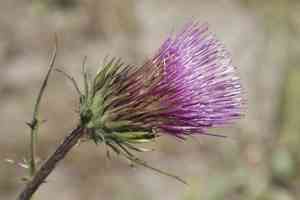
Relocating rose thistle is most effectively carried out from early to mid-spring, leveraging the cooler weather that aids in root development. Select a bright area featuring soil that drains efficiently to achieve optimal growth. Verify that the chosen site fulfills these requirements for a prosperous transfer.
Essential Preparations Before Relocating Rose Thistle?
Optimal Period for Moving Rose Thistle?
The most favorable time to relocate rose thistle, a perennial, is from early to mid-spring. During this interval, soil temperatures begin to rise, encouraging vigorous root development. Transplanting then allows the plant to establish itself prior to summer's heat. This timing also lessens transplant shock and promotes strong growth.
Recommended Spacing Between Rose Thistle Specimens?
When relocating rose thistle, aim for a separation of 24-36 inches (60-90 cm) between individual plants. This provides ample room for development and helps ensure good air circulation, reducing disease risk.
Ideal Soil Blend for Rose Thistle Relocation?
For rose thistle, prepare soil that drains well, featuring a blend of sandy and loamy textures. Before moving, enrich the soil with a balanced, slow-release fertilizer to give your plants a strong start.
Optimal New Location for Your Rose Thistle?
Rose thistle thrives best in spots receiving full sunlight, ideally at least 6 hours of direct sun daily. Select a sunny area to ensure your plants grow robust and healthy.
Equipment Needed Before Relocating Rose Thistle?
Gardening Gloves
To safeguard your hands while handling soil and the plant.
Shovel or Spade
For excavating and lifting the plant, and preparing the new planting hole.
Hand Trowel
Useful for more precise digging and extracting the plant from containers or seedling trays.
Watering Can or Hose
To hydrate the plant before and after its relocation.
Mulch
To aid in moisture retention and protect the plant post-relocation.
Wheelbarrow (optional)
For moving the plant if it is large or heavy.
How to Extract Rose Thistle from its Current Location?
How to Extract Rose Thistle from its Current Location?
From Ground: First, moisten the rose thistle plant by watering the soil. Next, dig a wide trench around the plant using a shovel or spade, ensuring the plant's root ball remains intact. Carefully work the spade beneath the root ball to lift the plant from its original spot.From Pot: Thoroughly water the rose thistle plant. Gently tap the pot's sides to loosen the soil. Carefully tip the pot and slide the plant out, supporting the root ball with one hand.From Seedling Tray: Water the seedling thoroughly. Gently use a hand trowel to lift the seedling from the tray, taking care to keep as much soil around the roots as possible.
Step-by-Step Guide for Relocating Rose Thistle
Site Preparation
Select a location with suitable conditions for your rose thistle to flourish. Dig a hole that is twice as wide and equally as deep as the root ball of your rose thistle.
Plant Removal
Follow the specific removal procedure based on whether your rose thistle is in the ground, a pot, or a seedling tray.
Relocation
Position the rose thistle in the prepared hole. The top of the root ball should be level with or slightly above the surrounding soil. Backfill the hole with soil, pressing gently to remove air pockets.
Initial Watering
Water the rose thistle thoroughly after relocating, ensuring the soil around the root ball is moist.
Apply Mulch
Spread a layer of mulch around the base of the rose thistle to help retain moisture and regulate soil temperature.
Post-Relocation Care for Rose Thistle?
Watering
Keep the soil around the rose thistle consistently damp, but not waterlogged, for the initial weeks after relocating to aid in establishing strong roots.
Protection from Intense Sun
Provide some shade during the hottest part of the day for the first week to help the plant adapt.
Stress Monitoring
Observe for indications of transplant shock, such as wilting or yellowing leaves. If these appear, ensure adequate watering and consider offering temporary shade.
Fertilizer Avoidance
Do not fertilize immediately after relocating. Allow the plant time to settle into its new environment before introducing nutrients, typically 4-6 weeks.
Resolving Common Issues with Rose Thistle Relocation.
When is the best time to move rose thistle?
The optimal period to relocate rose thistle is during early to mid-spring.
What spacing is ideal for rose thistle plants?
Space rose thistle plants 24-36 inches (60-90 cm) apart for optimal growth.
How do I prepare the soil for rose thistle relocation?
Ensure well-draining soil, enriched with compost or organic matter, to support rose thistle's growth.
How deep should I plant rose thistle roots?
Plant rose thistle roots at the same depth they were growing originally.
What should I avoid while relocating rose thistle?
Avoid damaging the roots or disturbing them excessively during the relocation process.
How do I keep rose thistle hydrated after relocating?
Water rose thistle thoroughly right after relocating and keep the soil consistently moist (not waterlogged).
What is the recommended sunlight exposure for rose thistle?
Ensure rose thistle gets full sun to partial shade (at least 6 hours of direct sunlight).
How to reduce transplant shock for rose thistle?
Water well before and after relocating and minimize root exposure to air.
Is fertilizing necessary right after relocating rose thistle?
Use a balanced fertilizer sparingly after relocating to avoid over-fertilization stress.
How do I know if rose thistle is successfully relocated?
Successful relocation shows new growth and robust, healthy leaves after a few weeks.



