How to Propagate Rose thistle?
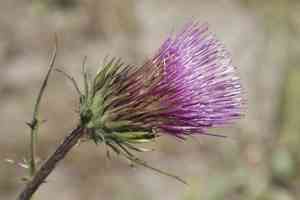
Rose thistle, a perennial herbaceous plant indigenous to North America, is distinguished by its prickly foliage and vivid pinkish-purple blossoms. To multiply rose thistle, employ seeding by gathering seeds directly from fully developed flower heads. Confirm that seeds are planted in soil with good drainage and kept damp for the best sprouting results. When relocating young plants, manage them carefully to prevent harm to their root systems.
What Is the Best Time To Propagate Rose Thistle?
Propagation Type
Sowing
Propagation Season
Spring
What Tools Are Used in Rose Thistle Propagation?
Seed Tray
A seed tray is crucial for germinating rose thistle seeds in a controlled setting. It offers a consistent and manageable space for seedling growth, ensuring uniform seed distribution and easy monitoring.
Seed Starting Mix
Employing a premium seed starting mix is vital for rose thistle. This specialized soil blend provides excellent drainage and aeration, creating an ideal environment for seed germination and root development.
Plant Labels
Plant labels assist in tracking various plant species being propagated. For rose thistle, this ensures accurate monitoring and documentation of seedling growth progress.
Spray Bottle
A spray bottle is useful for maintaining proper moisture levels in the seed tray without disturbing the seeds. Consistent misting helps keep the soil surface damp, promoting even and successful germination of rose thistle.
Heat Mat
A heat mat can be important for maintaining a consistent soil temperature, which aids in the quicker germination of rose thistle seeds by mimicking their natural growing conditions more closely.
Humidity Dome
A humidity dome placed over the seed tray helps retain moisture and creates a warm, humid environment that enhances seed germination for rose thistle. This is especially useful in maintaining optimal conditions in indoor settings.
Fine Mesh Sieve
A fine mesh sieve is useful for evenly distributing a light covering of soil or vermiculite over the seeds, ensuring they are adequately covered while still allowing light penetration, which can be critical for certain seed types like rose thistle.
Precision Seeder
A precision seeder allows for accurate spacing and planting depth of rose thistle seeds, reducing the need for thinning seedlings and ensuring even growth distribution.
Small Trowel
A small trowel is useful for gently handling and transplanting seedlings once they have grown strong enough, minimizing root disturbance which is vital for the continued health of rose thistle.
How to Propagate Rose Thistle?
Propagation Type
Easy
How to Care for Your Newly Propagated Rose Thistle?
How to Care for Your Newly Propagated Rose Thistle?
Once rose thistle seedlings have developed several true leaves, they can be moved to individual pots or directly into the garden. Choose a spot with full sun and well-draining soil. Water regularly, allowing the soil to dry slightly between waterings. Apply mulch around the plant bases to retain moisture and suppress weeds. Fertilize sparingly, as rose thistle prefers lean soils. Deadhead spent flowers to encourage more blooms and prevent self-seeding if desired. Protect young plants from pests, such as aphids and slugs. In winter, rose thistle benefits from mulching to protect its roots from severe cold.
Common Mistakes to Avoid When Propagating Rose Thistle
Overwatering
Excess moisture can lead to root rot, severely impacting rose thistle's health and hindering successful propagation.
Inadequate Sunlight
Insufficient light can cause weak growth, making it challenging for rose thistle to establish and thrive.
Poor Soil Drainage
Soil that retains too much water can suffocate roots, leading to poor development and possible fungal issues.
Not Using Clean Tools
Dirty tools can introduce diseases that affect the health of rose thistle, reducing propagation success.
Improper Cutting Techniques
Using incorrect methods to take cuttings can damage the plant tissue, reducing the chances of successful root development.
Tips For Propagating Rose Thistle
Use Well-Drained Soil
Ensure that the growing medium has good drainage properties to prevent water accumulation and root rot.
Provide Ample But Indirect Light
Place rose thistle in a location that receives plenty of light to encourage strong growth, but avoid direct sunlight which can be too intense.
Sterilize Tools
Always use clean, sterilized cutting tools to prevent the introduction of pathogens.
Water Moderately
Water the plant sufficiently to keep the soil moist but not waterlogged, maintaining optimal root health.
Use Rooting Hormone
Applying a rooting hormone to cuttings can enhance root development and increase the likelihood of successful propagation.



