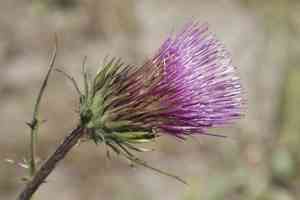
Rose thistle (Cirsium andersonii)
Also known as: Anderson's thistle
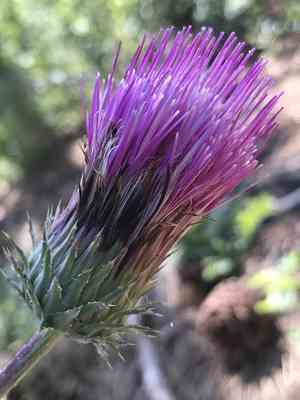
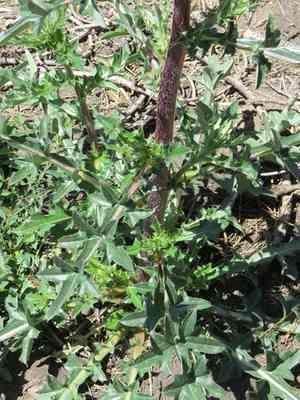
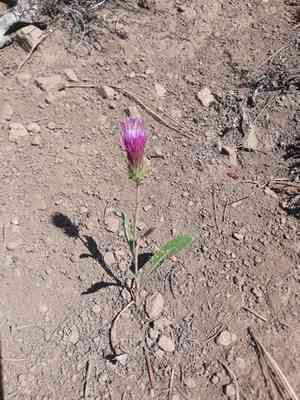
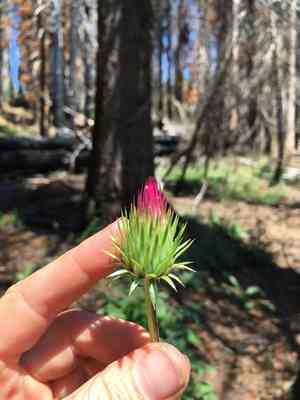
This native thistle is a perennial herbaceous plant that can grow up to about 1 meter tall. It typically has one or more stems, which may be either unbranched or branched. Its leaves are deeply lobed with sharp, spiny edges and are attached to the stem with spiny-winged petioles. The plant features flower heads filled with numerous red, purple, or rose-pink blooms.
In This Article
Attributes of Rose thistle
Lifespan
Perennial
Plant Type
Herb
Plant Height
Up to 60 inches (150 cm)
Spread
Approximately 24 inches (60 cm)
Leaf Color
Green
Flower Size
2-3 inches (5-7.5 cm)
Flower Color
Purple
Images of Rose thistle
Quickly Identify Rose thistle
1
Anderson\'s thistle can be identified by its tall, upright stems that are covered in spines. The leaves are also spiny and deeply lobed. The flowers are usually a deep purple or pink color and are found in clusters at the top of the plant.
Scientific Classification of Rose thistle
Phylum
Vascular plants
Class
Dicotyledons
Order
Asterales
Family
Daisy
Genus
Thistles
Species
Rose thistle
Planting and Growing of Rose thistle
Care Difficulty
Moderate
Watering Schedule
Every 2 days
Sunlight Requirements
Partial sun
Sunshine Duration
6-10 hours
Ideal Temperature
60-75℉
Soil Type
Potting Mix, Peat Mix
Soil pH
6.5-7.5
Fertilizer Type
Balanced
Pruning Season
Spring, Summer
Pruning Area
Branches, Leaves
Pruning Frequency
2 times a year
Repotting Season
Spring
Pot Type
Plastic, Ceramic
 How to Water Rose thistle?
For Cirsium andersonii, ensure that the soil is thoroughly soaked but never waterlogged. Aim for about 500 ml per watering session, making sure the water penetrates to the deeper roots without creating stagnant pools at the surface.
What are the symptoms of an underwatered Rose thistle?
›
What should I do if my Rose thistle is not getting enough water?
›
What are the symptoms of an overwatered Rose thistle?
›
How to save an overwatered Rose thistle?
›
 What Are the Sunlight Requirements for Rose thistle?
Partial sun means Cirsium andersonii grows with structured light exposure. Ideal light improves flowering, supports leaf health, and maintains vibrant colors, demonstrating balanced photosynthesis without undue thermal stress.
What is the ideal light exposure for Cirsium andersonii?
›
How to ensure Cirsium andersonii gets ideal lighting?
›
What benefits does ideal lighting provide?
›
 What Is the Ideal Temperature Range for Rose thistle?
The ideal temperature range for Cirsium andersonii to thrive is between 60°F and 75°F. This range ensures optimal growth and promotes healthy flowering. Maintaining this temperature range helps the plant to effectively manage its metabolic processes, facilitating nutrient uptake and photosynthesis. Ensuring that temperatures remain within this range also helps in reducing stress on the plant, making it more resilient to occasional environmental fluctuations.
 What Soil is Best for Rose thistle?
Cirsium andersonii thrives best in well-draining soils that prevent waterlogging. This is crucial because it reduces the risk of root rot by allowing excess water to escape easily, ensuring healthier root development. A soil rich in nutrients promotes vigorous growth in Cirsium andersonii. The abundance of essential nutrients like nitrogen, phosphorus, and potassium fosters strong stems and lush foliage. Incorporating organic matter into the soil aids Cirsium andersonii by enhancing soil structure and fertility. It maintains soil moisture and provides a steady supply of nutrients to the plant, promoting robust health.
 How to Fertilize Rose thistle?
For Cirsium andersonii, application of fertilizers should be based on the species' moderate nutrient demands. When using liquid fertilizers, it's recommended to dilute them to half the strength specified on the label since this plant thrives better in slightly lean nutrient conditions. Over-fertilization can lead to negative effects, so it’s better to err on the side of caution.
 How to Prune Rose thistle?
Start by sterilizing your pruning shears to prevent the spread of disease. Focus on removing dead, damaged, or diseased stems. Trim back any overgrown areas to encourage a compact and bushy shape. Always cut at a 45-degree angle, making cuts just above a leaf node to promote healthy new growth. To maintain your Cirsium andersonii in the desired shape, keep an eye on its overall size. If it's growing too large for its space, trim back the longest stems. Be strategic, focusing on evenness and symmetry to ensure it retains a natural and appealing form.
More About Pruning Techniques→
 How to Propagate Rose thistle plant?
1
Before sowing, the seeds of Cirsium andersonii should be cleaned and soaked in water for 24 hours. This helps to soften the seed coat, promoting faster and more uniform germination. Ensure the seeds are dried slightly afterward to prevent mold.
2
Seeds should be sown on the surface of a sterile potting mix, lightly covering them with a thin layer of soil. Ensure they are spaced adequately to allow for air circulation, preventing fungal infections as they germinate and grow.
3
Seeds need to be watered gently using a spray bottle to avoid displacing them. It’s vital to maintain consistent moisture in the potting mix without making it waterlogged, as this can lead to root rot or fungal growth.
 How to Repot Rose thistle plant?
1
Cirsium andersonii signals its need for repotting when roots appear through drainage holes or become crowded. Repotting during active growth seasons like spring or summer provides the best opportunity for the plant to recover swiftly and resume thriving.
2
Select a pot that is 2-3 inches wider in diameter than the current one, with good drainage holes. This allows for expansion without overwhelming the root system. The new pot should promote healthy growth by preventing root rot and supporting adequate soil moisture control.
3
Opt for a well-draining loamy mix that includes sand and organic matter. This combination ensures excellent moisture retention without waterlogging, allowing roots to breathe and providing essential nutrients to support the plant's robust growth.
Learn More About Rose thistle Diseases
Anthracnose
Bacterial Leaf Spot
Bacterial Wilt
Crown Gall
Cyst Nematode
Damping-off
Downy Mildew
Drought Stress
Fusarium Wilt
Gray Mold
Leaf Curl
Leaf Spot
Mosaic
Nutrient Deficiency
Nutrient Toxicity
Powdery Mildew
Root Rot
Root-knot Nematode
Rusts
Sooty Mold
Spider Mites
Temperature Stress
Thrips Damage
White Mold



