How to Prune Rose thistle?
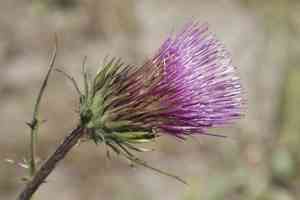
Recognized for its prominent, prickly look, rose thistle thrives with trimming in early spring or late winter to eliminate deceased or compromised stalks. Trim to stimulate robust development and blooming. When reducing its size, execute precise cuts directly above a leaf joint or nascent shoot. Consistent trimming aids in controlling its dimensions and form, enhancing the plant's general well-being. Always use protective gloves due to its sharp spines.
What Are the Benefits of Pruning Rose Thistle?
What Are the Benefits of Pruning Rose Thistle?
Trimming rose thistle aids its vigorous development and shape retention. Pruning enhances air movement, lowers disease risk, and fosters strong stems and healthy foliage.
What Is the Best Time for Pruning Rose Thistle?
What Is the Best Time for Pruning Rose Thistle?
Early spring and late winter are optimal for pruning rose thistle due to several key reasons. Pruning during these periods aligns with the plant's dormant phase, meaning it's not actively growing. This minimizes stress on the plant and reduces its vulnerability to diseases and pests. Additionally, trimming in early spring allows ample time for new growth before the flowering season, ensuring the plant remains healthy and vibrant. Performing these tasks just before the active growth period begins helps promote a robust structure and encourages abundant blooms.
What Tools Do I Need to Prune Rose Thistle?
Hand Pruners
Perfect for snipping smaller stems and removing spent blooms. Hand pruners offer precise control, essential for avoiding harm to the sharp, spiny leaves of rose thistle.
Loppers
Useful for cutting thicker, woody branches. Loppers provide the leverage needed to sever branches that hand pruners cannot manage.
Pruning Saw
Ideal for removing thicker, older stems. A pruning saw is effective when loppers are insufficient, ensuring clean cuts on larger woody sections of rose thistle.
Long-Sleeve Pruning Gloves
Crucial for protection against the plant's thorns. These gloves ensure the gardener's hands and forearms are shielded during pruning.
Safety Glasses
Necessary to shield eyes from debris and thistle spines. Safety glasses are vital for overall protection when working with rose thistle.
How to Prune Rose Thistle
Inspect
Carefully examine rose thistle to spot any diseased or withered leaves. These should be removed first to maintain the plant's health.
Sanitize
Disinfect your pruning tools with a solution of one part bleach to nine parts water to prevent spreading any disease to rose thistle.
Trim diseased leaves
Using sanitized pruning shears, cut away diseased leaves, trimming back to healthy tissue. Ensure clean cuts to avoid harming rose thistle.
Remove withered leaves
Remove any withered leaves by cutting them at their base where they meet healthy growth, helping rose thistle direct energy towards healthy development.
Dispose
Properly dispose of diseased and withered leaves to prevent any potential spread of disease or pests. Do not compost these parts as they may contaminate compost.
Common Pruning Mistakes with Rose Thistle
Over-pruning
Removing too much of the plant at once can stress rose thistle, leading to poor health and reduced flowering. Aim to prune sparingly and assess the plant's reaction before making further cuts.
Incorrect Technique
Using dull or dirty pruning tools can damage stems and introduce diseases. Always use sharp, sterilized tools for clean cuts.
Ignoring Plant Structure
Disregarding rose thistle's natural growth habit can result in awkward shapes and poor air circulation. Prune to maintain the plant's natural form and encourage open growth.
Pruning at the Wrong Time
Although the best season for pruning isn't covered here, timing within the growing cycle is crucial. Pruning at inappropriate stages can impact blooming and recovery.
Common Pruning Tips for Rose Thistle
Promote Air Circulation
Thin out dense areas to improve air flow, which helps prevent fungal infections and promotes healthier growth.
Focus on Dead and Damaged Stems
Regularly remove any dead, damaged, or diseased stems. This prevents the spread of disease and allows the plant to direct energy to healthy parts.
Use the Right Tools
Ensure your pruning tools are sharp and sterilized. This helps make clean cuts and reduces the risk of introducing pathogens.
Cut at the Right Angle
Make cuts at a slight angle, just above a leaf node or bud. This encourages new growth and prevents water from settling on the cut, which can lead to rot.
Regular Assessment
Regularly inspect rose thistle to identify any potential issues early. Addressing problems promptly through pruning can prevent larger issues from developing.



