How to Transplant Stout woodreed?
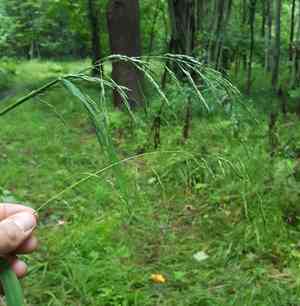
The ideal period for relocating stout woodreed spans from the refreshing warmth of early spring to its vibrant conclusion, facilitating robust root development. Select a shaded, damp spot for stout woodreed, and throughout the transplanting process, guarantee consistent soil texture and hydration to foster successful adaptation.
What Preparations are Needed Before Transplanting Stout Woodreed?
What is the Ideal Time for Transplanting Stout Woodreed?
The optimal period for relocating stout woodreed spans from the onset of spring until the beginning of early summer. This timeframe aligns with stout woodreed's natural growth cycle, ensuring a smooth transition as the ground warms and the threat of frost diminishes. Moving stout woodreed during this phase allows its roots to settle in mild conditions and promotes vigorous development before the summer heat intensifies. Your plant will thrive with this well-timed relocation!
How Much Space Should You Leave Between Stout Woodreed Plants?
When relocating your stout woodreed, aim to provide each plant with ample room to flourish. Position them approximately 18-24 inches (45-60 cm) apart. This spacing will enable their root systems to expand without competing for nutrients, fostering healthier growth!
What is the Best Soil Mix for Stout Woodreed Transplanting?
Prior to relocating stout woodreed, you'll want to enrich the soil. It thrives in fertile, well-draining loamy soil. Incorporate a mixture of compost and a balanced, slow-release fertilizer to give it a strong start. The added nutrients will assist stout woodreed in establishing itself more rapidly in its new location.
Where Should You Relocate Your Stout Woodreed?
Select a site for your stout woodreed where it can enjoy full sun to partial shade. Morning sunlight followed by afternoon shade, or an area with filtered light, is perfect. This balanced setting will help stout woodreed flourish with the appropriate amount of natural illumination and protection.
What Equipments Should You Prepare Before Transplantation Stout Woodreed?
Gardening Gloves
To safeguard your hands while handling soil and plants.
Shovel or Spade
For excavating the plant and preparing the new planting site.
Watering Can or Hose
To hydrate the plant to facilitate removal and after relocation.
Pruning Shears
To trim any damaged roots or foliage prior to transplanting.
Wheelbarrow or Garden Cart
For moving the plant and soil.
Measuring Tape
To ensure correct spacing between plants.
Trowel
For detailed work or smaller stout woodreed specimens.
How Do You Remove Stout Woodreed from the Soil?
How Do You Remove Stout Woodreed from the Soil?
From Ground: Hydrate the stout woodreed plant to moisten the soil. Then, excavate a wide trench around the plant using a shovel or spade, taking care to preserve the root ball. Gently work the tool beneath the root ball to lift the plant from the ground.From Pot: Water the stout woodreed to dampen the potting mix. Invert the pot on its side and gently tap the sides and bottom to loosen the root ball. Slide the root ball out while supporting the plant at its base.From Seedling Tray: Moisten the soil in the tray. Use a trowel or your fingers to carefully lift the seedling by its leaves, not the stem, gently separating the roots if necessary.
Step-by-Step Guide for Transplanting Stout Woodreed
Digging New Hole
Excavate a hole in the prepared area that is twice as wide and equally as deep as the stout woodreed's root ball.
Root Ball Preparation
Gently loosen the outer roots of the root ball with your fingers to encourage outward growth.
Placing the Plant
Carefully position the stout woodreed in the center of the new hole. The top of the root ball should be level with the surrounding soil surface.
Filling the Hole
Refill the hole with the excavated soil, gently firming it around the plant's base to eliminate air pockets.
Watering
Thoroughly water the stout woodreed, ensuring the root zone is saturated to help settle the soil.
Stabilizing
Add support stakes if the stout woodreed is top-heavy or in a windy location, tying the plant gently but securely.
Mulching
Apply a layer of mulch around the base of the stout woodreed, leaving some space around the stem to prevent rot.
How Do You Care For Stout Woodreed After Transplanting?
Watering
Water the stout woodreed deeply to establish, then continue regular watering, reducing frequency as the plant settles.
Pruning
Trim any dead or damaged stems to promote healthy new growth.
Monitoring
Observe the stout woodreed for signs of stress, such as wilting or discolored leaves, and address issues promptly.
Weeding
Remove any weeds that emerge around the stout woodreed to minimize competition for resources.
Protection
Shield the stout woodreed from harsh conditions with covers or windbreaks if needed during its initial growing season.
Troubleshooting Common Issues with Stout Woodreed Transplantation.
How do I know when it's the right time to transplant stout woodreed?
Relocate stout woodreed when the season shifts from early to late spring, typically when soil temperatures are cool but beginning to warm.
What is the optimal spacing for transplanting stout woodreed?
For robust growth, place stout woodreed approximately 18-24 inches (45-60 cm) apart to allow them ample space to thrive.
Why is my stout woodreed wilting after transplant?
Wilting can be a sign of shock. Ensure consistent moisture and provide shade from intense sun until stout woodreed becomes established.
What type of soil is best for transplanting stout woodreed?
Plant stout woodreed in rich, well-draining soil. Amend with organic matter if necessary to boost fertility.
How much should I water stout woodreed post-transplant?
Water generously after transplanting, then maintain moderate moisture. Avoid overwatering to prevent root rot.
Can stout woodreed be transplanted in the summer?
It's preferable to relocate stout woodreed during cooler spring months for roots to establish before the heat.
Will stout woodreed thrive in full shade after transplanting?
Stout woodreed prefers a blend of sun and shade. Insufficient light can hinder its growth.
How deep should I plant stout woodreed when transplanting?
Plant the root ball of stout woodreed at the same depth it was in its previous environment.
My stout woodreed looks droopy after transplant, is this normal?
Some droopiness is normal as stout woodreed adjusts. It should recover with proper care within a few days.
Should I fertilize stout woodreed immediately after transplanting?
Wait several weeks before fertilizing stout woodreed to prevent root burn while they are still delicate.



