How to Prune Stout woodreed?
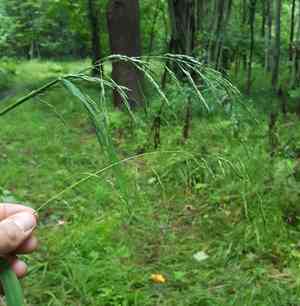
A perennial grass recognized for its lofty, graceful form, stout woodreed thrives with trimming to preserve its appearance and foster robust development. The perfect period for pruning is in early spring or during winter while the grass is inactive. Cut back the leaves to several inches above the soil to stimulate new, strong sprouts. Consistent elimination of lifeless or injured stalks enhances air movement and lowers the chance of illness. This also molds stout woodreed for preferred density and elevation throughout the cultivation period.
Why Prune Stout Woodreed?
Why Prune Stout Woodreed?
Trimming stout woodreed encourages more vigorous development and helps maintain its desired shape. Strategic cutting allows the plant to reallocate energy, fostering denser foliage and contributing to a healthier, more attractive appearance.
Optimal Pruning Time for Stout Woodreed
Optimal Pruning Time for Stout Woodreed
Pruning or trimming stout woodreed in early spring is ideal while the plant is still dormant, minimizing stress and reducing the risk of disease transmission through cuts. This timing also prepares stout woodreed for new growth as temperatures rise. Additionally, winter trimming can be beneficial since the plant's growth has slowed, making it easier to identify and remove stems or branches without negatively impacting the upcoming growing season. Pruning during these periods helps maintain the health and form of stout woodreed, avoiding the active growth phase when pruning might hinder flower or seed production.
Tools for Pruning Stout Woodreed
Bypass Pruners
Perfect for making clean cuts on the relatively slender stalks of stout woodreed. These tools enable precise trimming of grass blades without causing unnecessary harm to the plant.
Grass Shears
Useful for detailed work or when tidying the edges of stout woodreed clumps to achieve a neat look. Easy to handle for more delicate tasks.
Electric Trimmer
An electric trimmer can be used for quickly trimming larger groupings of stout woodreed. This tool is efficient for maintaining extensive areas in less time.
How to Prune Stout Woodreed
Identify
Inspect stout woodreed, paying close attention to its leaves to pinpoint any that are diseased or withered.
Sterilize
Before you begin pruning, sanitize your tools with rubbing alcohol or a bleach solution to prevent the spread of pathogens.
Prune diseased
Carefully remove diseased leaves from stout woodreed by cutting at the base of the leaf stem, ensuring you do not harm healthy tissue.
Prune withered
Trim off withered leaves from stout woodreed, also at the base of the leaf stem, to maintain the plant's appearance and redirect energy to healthy growth.
Dispose
Properly dispose of diseased and withered leaves, ideally by burning or placing them in sealed bags, to prevent disease from spreading to other plants.
Common Pruning Errors with Stout Woodreed
Overpruning
Removing too much foliage from stout woodreed, which can stress the plant and hinder its development.
Improper cutting technique
Making jagged or torn cuts can lead to disease and pest issues in stout woodreed. Clean cuts heal faster and are healthier.
Using dull tools
Pruning with dull tools can damage the stems of stout woodreed, resulting in poor growth or disease.
Removing too many live stems
Cutting away too many live stems can diminish the plant's vigor and its capacity for photosynthesis.
Neglecting to prune
Failing to remove dead or damaged foliage can impede the overall health and aesthetic appeal of stout woodreed.
Pruning too short
Cutting stems too short can eliminate crucial growth points and obstruct future development of stout woodreed.
Helpful Pruning Tips for Stout Woodreed
Sharp clean tools
Utilize sharp, clean pruning shears to make precise cuts and prevent infections in stout woodreed.
Cut above growth point
Make cuts just above a leaf node or growth point to stimulate robust new growth in stout woodreed.
Annual pruning
Perform yearly pruning to maintain the shape and health of stout woodreed, removing dead or damaged stems.
Thin center
Thin out the center of stout woodreed to enhance air circulation and light penetration, crucial for reducing disease.
Leave some stems
Be sure to leave some older stems, as stout woodreed can bloom on stems from previous seasons.
Deadheading
Remove spent blooms to encourage new flowers and prevent stout woodreed from expending energy on seed production.



