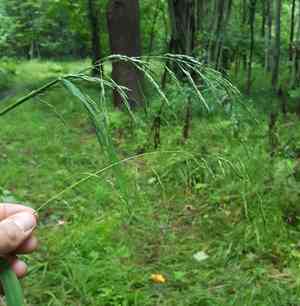
Stout woodreed (Cinna arundinacea)
Also known as: Reed Meadow Grass
The Helianthus annuus, commonly known as the common sunflower, thrives in many northern regions of the United States. It produces vibrant yellow blooms in the summer and often stands tall above other vegetation.
In This Article
Attributes of Stout woodreed
Lifespan
Perennial
Plant Type
Grass
Plant Height
61 cm to 1.5 m
Spread
30 cm to 60 cm
Leaf Color
Green
Flower Size
Small, less than 1 inch
Flower Color
Yellow Green Purple Brown
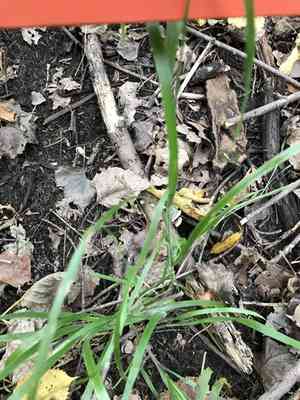
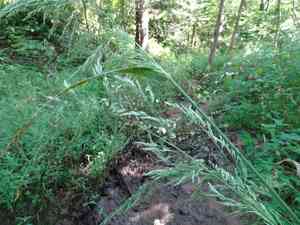
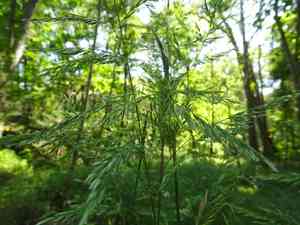
Images of Stout woodreed

Quickly Identify Stout woodreed
1
Cinna arundinacea can be identified by its tall, narrow leaves and its loose, open flower heads that appear in late summer. The plant often reaches heights of up to 6 feet and has a distinctive bamboo-like appearance.
Scientific Classification of Stout woodreed
Phylum
Vascular plants
Class
Monocotyledons
Order
Poales
Family
Grass
Genus
Woodreeds
Species
Stout woodreed
Planting and Growing of Stout woodreed
Care Difficulty
Easy
Watering Schedule
Every 2 days
Sunlight Requirements
Partial sun
Sunshine Duration
4-8 hours
Ideal Temperature
60-75℉
Soil Type
Potting Mix, Peat Mix
Soil pH
6.5-7.5
Fertilizer Type
Balanced
Pruning Season
Spring, Summer
Pruning Area
Branches, Leaves
Pruning Frequency
2 times a year
Repotting Season
Spring
Pot Type
Terracotta, Plastic
 How to Water Stout woodreed?
Cinna arundinacea prefers a steady watering regimen. It thrives with about 500 ml of water per session, ensuring soil moisture without waterlogging. Aim for moist but not saturated soil.
What are the symptoms of an underwatered Stout woodreed?
›
What should I do if my Stout woodreed is not getting enough water?
›
What are the symptoms of an overwatered Stout woodreed?
›
How to save an overwatered Stout woodreed?
›
 What Are the Sunlight Requirements for Stout woodreed?
Partial sun exposure is ideal, as it allows Cinna arundinacea to benefit from morning sun while avoiding the harsher afternoon rays. This promotes healthy leaf growth and maintains an attractive appearance.
More About Sunlight Requirements Techniques→
What is the best light condition for Cinna arundinacea?
›
How to ensure Cinna arundinacea gets optimal light?
›
What are the benefits of ideal light conditions for this plant?
›
 What Is the Ideal Temperature Range for Stout woodreed?
The ideal temperature range for growing Cinna arundinacea is between 60 to 75 degrees Fahrenheit. This range ensures optimal growth and helps the plant thrive without experiencing temperature stress.
 What Soil is Best for Stout woodreed?
Cinna arundinacea thrives in well-drained soil which prevents waterlogging, ensuring the roots have access to necessary oxygen without drowning. This promotes healthy growth and prevents root rot. Nutrient-rich soils enhance the vigor and color of Cinna arundinacea. A balance of organic matter provides essential nutrients, encouraging lush foliage and robust stalks. Maintaining consistent moisture is key. This plant appreciates a balance where the soil is neither too dry nor too saturated, fostering resilient growth and vibrant display.
 How to Fertilize Stout woodreed?
For Cinna arundinacea, ensure to use about 1/4 to 1/2 pound of complete fertilizer per 100 square feet during the growing season. Overdoing it can be counterproductive, so measure carefully and adjust based on growth responses.
 How to Prune Stout woodreed?
Begin pruning Cinna arundinacea by removing any dead or damaged stems, which helps maintain overall plant health. Use clean and sharp shears for precise cuts. Trim back old growth to encourage new, vigorous shoots, enhancing the plant's aesthetic appeal and promoting a lush, verdant appearance.
More About Pruning Techniques→
 How to Propagate Stout woodreed plant?
1
Start by gathering mature seeds from the plant. Clean and dry them properly. Store the seeds in a cool, dry place until sowing time to ensure optimal germination rates.
2
Fill seed trays with quality seed-starting mix. Sow the seeds at the recommended depth, ensuring they are covered lightly with soil. Keep the soil consistently moist but not waterlogged.
3
Choose a healthy parent plant and dig around the base to lift it from the soil. Gently shake off excess soil and carefully separate the roots into sections, ensuring each section has viable roots and shoots.
 How to Repot Stout woodreed plant?
1
Repot Cinna arundinacea when you notice signs such as roots growing out of the drainage holes, or when the soil becomes compacted and waterlogging becomes an issue. These indicators suggest that the plant requires more space to thrive.
2
Select a pot that is one size larger than the current one with adequate drainage holes. This ensures the roots have ample space to grow, prevents water retention, and promotes better aeration, which is crucial for healthy plant development.
3
Opt for a well-draining loamy soil mix that allows excess water to escape and retains enough moisture for the plant's needs. This type of soil helps prevent root rot while ensuring the plant receives vital nutrients.



