The Stout woodreed Plant Advantage: Maximizing Home and Office Appeal and Wellness
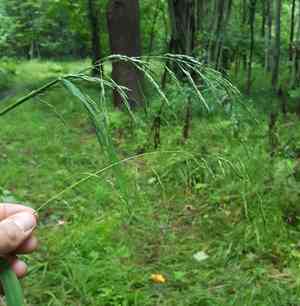
1
Stout woodreed is recognized for its capacity to inhibit soil degradation.
2
This flora offers a superb environment for local fauna.
3
Its adaptability renders it a significant advantage in garden designs.
What Are the Main Ecological Advantages of Stout Woodreed?
Preventing Soil Erosion
Stout woodreed is highly effective at preventing soil erosion. Its deep root system stabilizes the earth, making it an excellent choice for areas prone to erosion. This plant is often used to manage riverbanks, hillsides, and other landscapes where ground stability is a concern.
Providing Wildlife Habitat
Another notable aspect of Stout woodreed is its capacity to offer a thriving environment for wildlife. Birds, insects, and small mammals find shelter in its dense foliage, contributing to biodiversity and fostering a healthy ecosystem.
Enhancing Soil Quality
Stout woodreed contributes to improving soil quality by naturally adding organic matter to the soil as its leaves decompose. This process enriches the soil, making it more fertile and supportive of other plant growth.
How Can Stout Woodreed Be Utilized in Landscape Design?
Decorative Use
Stout woodreed's tall and lush appearance makes it attractive for ornamental purposes in gardens and public areas. Its adaptability to various soil types and climates enhances its usefulness as a sustainable landscaping option.
Creating Natural Barriers
In landscaping, Stout woodreed functions as a natural barrier, reducing wind impact and noise pollution. This plant provides visual screening and defines spaces within gardens, improving both aesthetics and practicality.
Erosion Control in Landscaping
Beyond its visual appeal, Stout woodreed is frequently employed in landscaped areas for erosion control. Its strong root system ensures the soil remains intact, even on more challenging terrains.
What Are the Cultivation Requirements for Stout Woodreed?
Climate and Soil Conditions
Stout woodreed thrives in diverse climates but prefers well-drained soils for optimal development. Slightly acidic to neutral pH levels are most suitable. Its resilience allows it to survive in less-than-ideal conditions without requiring extensive care.
Watering and Maintenance
Stout woodreed has moderate water needs and can endure periods of drought once established. Regular watering during the initial growth phase ensures the plant develops a strong root system. Maintenance typically involves occasional trimming to manage its height and promote healthy growth.
Propagation Techniques
Stout woodreed can be propagated via seeds or division. Seed propagation involves collecting and sowing seeds in the desired location, while division requires separating existing clumps and replanting them. Both methods are relatively straightforward and produce robust plants.



