How to Transplant Quinine?
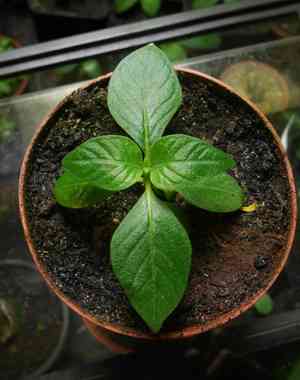
Quinine flourishes optimally when relocated between early and late spring, since the moderate temperatures and elevated humidity encourage robust root establishment. Choose a site with partial shade and well-draining, rich soil to guarantee a smooth acclimatization.
Essential Preparations Before Relocating Quinine
Optimal Period for Quinine Relocation?
The best time to move quinine is during the initial to latter part of spring. This period offers suitable soil warmth and increased moisture, vital for root establishment. Moving quinine then promotes better development, stronger root systems, and enhanced resilience to environmental pressures, facilitating a smoother adjustment to its new setting.
Required Spacing Between Quinine Plants?
When moving quinine, ensure each plant is positioned 10-20 feet (3-6 meters) apart. This spacing allows for sufficient root growth and air circulation, which is crucial for robust development.
Preferred Soil Blend for Quinine Relocation?
Prepare a soil that drains well and is slightly acidic for quinine. Incorporate organic compost and a foundational fertilizer rich in potassium and phosphorus to support vigorous root growth and overall plant vitality.
Optimal New Location for Your Quinine?
Select a sunny spot for quinine, ensuring it receives at least 6-8 hours of direct sunlight daily. This helps the plant flourish and produce abundant foliage.
Equipment Needed Before Quinine Transplantation
Gardening Gloves
To safeguard your hands while handling soil and the plant.
Shovel or Spade
For excavating and lifting the plant from its initial spot.
Trowel
For more precise digging around the plant's root system.
Garden Hose or Watering Can
To maintain soil moisture before and after the move.
Wheelbarrow or Bucket
To transport the plant to its new site.
Pruning Shears
To trim any damaged roots or stems during the relocation.
Mulch
To aid in retaining soil moisture and safeguarding the plant post-transplant.
Method for Extracting Quinine from Soil
Method for Extracting Quinine from Soil?
From Ground: First, hydrate the quinine plant to moisten the soil. Next, excavate a broad trench around the plant using a shovel or spade, ensuring the plant's root ball remains intact. Carefully maneuver the spade beneath the root ball to lift the plant from its original position.From Pot: Water the quinine plant to loosen the soil. Gently tap the pot's sides to dislodge the root ball, then carefully slide the plant out, supporting the root ball with your hand. If the root ball is stuck, use a trowel to gently loosen the soil around the edges.From Seedling Tray: Ensure the soil is damp. Gently pull the quinine seedling from the tray, supporting the stem and root ball. If necessary, use a trowel to carefully pry out the root ball without harming the roots.
Detailed Steps for Quinine Transplantation
Preparation
Select an appropriate time for transplanting, ideally early morning or late afternoon to avoid extreme heat. Gather all necessary tools and prepare the new planting hole in advance.
Excavating the Hole
Dig a hole in the new location that is twice the width and the same depth as the quinine plant's root ball. This allows the roots to spread more easily in the new soil.
Plant Removal
Follow the appropriate removal procedure based on the plant's current location (ground, pot, or seedling tray) as previously discussed.
Transplanting
Place the quinine plant in the new hole, ensuring it is at the same depth as it was in its original location. Backfill the hole with soil, gently firming it around the root ball to eliminate air pockets and ensure good contact between the roots and soil.
Watering
Thoroughly water the newly transplanted quinine plant to help settle the soil around the roots and provide initial hydration.
Mulch Application
Apply a layer of mulch around the base of the quinine plant to help retain soil moisture and regulate temperature. Avoid placing mulch directly against the stem to prevent rot.
Post-Transplant Care for Quinine
Watering
Maintain consistent moisture in the soil around the quinine, avoiding sogginess, for the initial weeks after transplanting to aid in strong root establishment.
Pruning
Remove any damaged or dead leaves and stems to redirect the plant's energy towards establishing roots in its new location.
Monitoring
Regularly inspect the quinine plant for signs of stress or pests. If necessary, provide additional support like stakes to help the plant adjust and thrive in its new environment.
Resolving Common Quinine Transplantation Issues
When is the best time to transplant quinine?
The ideal period is from early spring to late spring for optimal growth.
How much space should be between quinine plants?
Ensure 10-20 feet (3-6 meters) between plants for proper growth and air circulation.
What type of soil suits quinine best?
Quinine thrives in well-drained, acidic to neutral pH soil for healthy root development.
How do I prepare quinine roots for transplanting?
Water the roots thoroughly a day before moving them to retain moisture and reduce shock.
How deep should I plant quinine in the new location?
Plant quinine at the same depth as it was previously growing to avoid stress.
What is the ideal temperature for transplanting quinine?
Transplant in mild temperatures, between 60-70°F (15-21°C), to reduce stress on the plant.
How often should I water quinine after transplanting?
Water quinine adequately right after transplanting, then regularly keep the soil consistently moist.
Should I use fertilizer when transplanting quinine?
Avoid fertilizing immediately after transplanting; wait a few weeks to let the plant settle.
How can I protect quinine from transplant shock?
Keep quinine well-watered, mulched, and avoid transplanting in extreme weather conditions.
Can I transplant quinine in full sun?
Quinine prefers partial to full sun; ensure the planting site has adequate sunlight.



