How to Propagate Quinine?
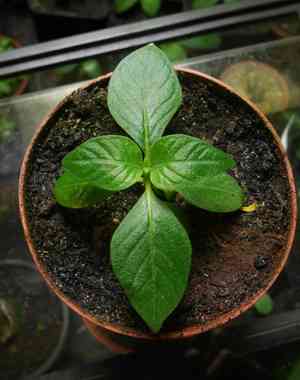
Cinchona is successfully multiplied via cuttings. For optimal results, choose robust, pathogen-free stems and apply a rooting stimulant to encourage root formation. Insert the cuttings into a potting blend that drains efficiently, and keep the substrate uniformly damp without overwatering. Offer diffused illumination and shield from harsh temperatures to aid in rooting and subsequent development.
Optimal Period for Quinine Propagation
Propagation Method
Cutting
Propagation Season
Autumn,Winter
Tools Required for Quinine Propagation
Sharp pruning shears
Crucial for taking cuttings from quinine, sharp pruning shears ensure a clean, precise cut, minimizing harm to the parent plant and boosting the likelihood of successful rooting in the cuttings. They help reduce disease transmission risk by preventing jagged cuts that can stress the plant and attract pathogens.
Rooting hormone powder or gel
This aid promotes root development in quinine cuttings. Dipping the base of the cuttings into the rooting hormone encourages faster, more uniform root growth, vital for establishing robust new plants. This is particularly beneficial for quinine, helping it overcome root establishment challenges.
Sterile potting mix
A sterile potting mix is essential for the initial growth phase of quinine cuttings, offering a disease-free environment that fosters healthy root development. This medium should drain well yet retain enough moisture to support cuttings without becoming waterlogged, reducing root rot risks.
Propagation trays
These trays are used to organize and support multiple quinine cuttings in a controlled setting. Trays should have adequate drainage and be used with a humidity dome to maintain high humidity levels around the cuttings, which is crucial for preventing them from drying out before rooting.
Humidity domes
These domes fit over propagation trays, creating a humid microclimate vital for quinine cutting success. Maintaining high humidity helps prevent cuttings from losing moisture through their leaves before roots are established, aiding in successful propagation.
Heat mats
Optional but advantageous, heat mats provide consistent bottom heat that can significantly improve the rooting success rate of quinine cuttings. Rooting generally occurs more quickly and robustly in warmer soil conditions, which these mats help maintain, especially in cooler environments.
How to Propagate Quinine?
Propagation Type
Moderately Difficult
Caring for Your Newly Propagated Quinine
Caring for Your Newly Propagated Quinine
Once quinine cuttings have rooted and show new growth, gradually acclimate them to normal growing conditions. Remove any humidity-maintaining cover and water the plant when the top inch of soil feels dry. Fertilize monthly with a balanced, water-soluble fertilizer. As quinine prefers partial shade, avoid direct sunlight, which can scorch leaves. Regular pruning will help maintain bushy, healthy growth and prevent legginess.
Common Mistakes to Avoid When Propagating Quinine
Overwatering
Excessive watering of quinine can lead to root rot, as the plant prefers well-drained soil. Too much water reduces oxygen availability to the roots, impeding proper growth and potentially killing the plant.
Using inappropriate cutting size
Employing either excessively large or very small cuttings can hinder quinine's rooting success. Larger cuttings might struggle to sustain their mass, while smaller ones might lack sufficient stored energy to initiate root growth.
Ignoring pest control
Neglecting pest management during quinine propagation can result in weak plants more susceptible to diseases and poor growth, as pests can quickly infest fresh cuttings and deplete essential nutrients.
Tips For Propagating Quinine
Proper cutting technique
Make clean cuts just below a node, as this is where root initiation is most likely to occur. This enhances the rooting efficiency and overall success rate of propagating quinine.
Soil preparation
Prepare a soil mixture with good drainage and aeration suitable for quinine. This encourages healthy root development and reduces the risk of soil-borne diseases impacting the young cuttings.
Humidity control
Maintaining moderate humidity around the cuttings of quinine helps prevent the leaves from losing too much water while the new roots are forming, thereby supporting healthier and quicker growth.



