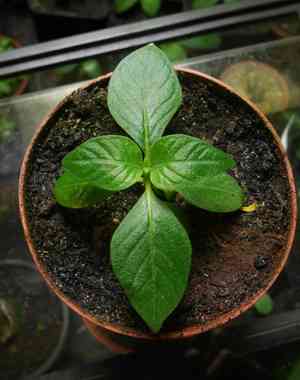
Quinine (Cinchona pubescens)
Also known as: Red cinchona, Quinine tree
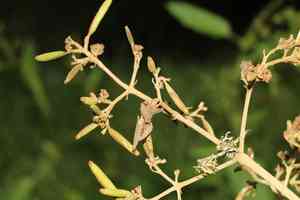
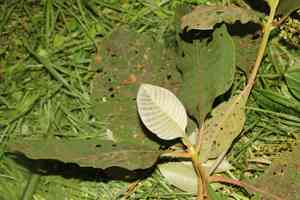
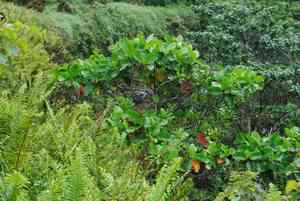
C. pubescens, known as the red quinine tree, typically ranges from small to medium in size, reaching up to 10 meters in height. Its bark, which turns red upon being cut, is notable for its medicinal properties. The tree has elliptical to oblate leaves that are thin and feature pubescent (hairy) edges. As the leaves age, their teeth turn red, contributing to the tree's nickname. Flowers are pink, aromatic, and arranged in large panicles, although they appear light pink in the Galapagos.
In This Article
Attributes of Quinine
Lifespan
Perennial
Plant Type
Tree
Plant Height
Up to 15-20 meters
Spread
Up to 10 meters
Leaf Color
Green Blue
Flower Size
1-2 cm
Flower Color
Pink to red
Images of Quinine
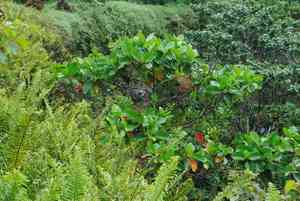
Quickly Identify Quinine
1
To identify Cinchona pubescens, look for a tree with red or brown bark, simple opposite leaves, and small, tubular, pink to red flowers. The leaves are often hairy (pubescent) on the underside.
Scientific Classification of Quinine
Phylum
Vascular plants
Class
Dicotyledons
Order
Gentianales
Family
Madder
Genus
Jesuit's bark
Species
Quinine
Planting and Growing of Quinine
Care Difficulty
Hard
Watering Schedule
Every 3 days
Sunlight Requirements
Full sun
Sunshine Duration
6-8 hours
Ideal Temperature
60-77℉
Soil Type
Potting Mix, Peat Mix
Soil pH
6.5-7.5
Fertilizer Type
Balanced
Pruning Season
Spring, Summer
Pruning Area
Branches, Leaves
Pruning Frequency
2 times a year
Repotting Season
Spring
Pot Type
Plastic, Ceramic
 How to Water Quinine?
Cinchona pubescens appreciates a deep watering, which mimics tropical rain patterns. Watering should thoroughly moisten the top 50% of the soil. However, it should still allow excess water to drain away freely, ensuring the roots are not sitting in water. The principle is to saturate the soil but avoid waterlogging, which can lead to root rot.
What are the symptoms of an underwatered Quinine?
›
What should I do if my Quinine is not getting enough water?
›
What are the symptoms of an overwatered Quinine?
›
How to save an overwatered Quinine?
›
 What Are the Sunlight Requirements for Quinine?
Cinchona pubescens should have access to full sun to partial sun conditions, ideally 6-8 hours daily. This encourages robust growth and optimal metabolite production.
What is the ideal lighting condition for Cinchona pubescens?
›
How can one ensure Cinchona pubescens gets ideal lighting?
›
What benefits does Cinchona pubescens gain from ideal lighting conditions?
›
 What Is the Ideal Temperature Range for Quinine?
The ideal temperature range for cultivating Cinchona pubescens is between 60°F and 77°F. These temperatures are optimal for its metabolic processes and ensure robust growth and development.
 What Soil is Best for Quinine?
Cinchona pubescens thrives in well-drained soils which prevent waterlogging and root rot. The soil's drainage ability ensures that excess water drains away, allowing roots to access both water and oxygen efficiently, crucial for its healthy growth. A nutrient-rich soil supports the vigorous growth of Cinchona pubescens, supplying essential nutrients like nitrogen and potassium that promote lush foliage and robust health. The right nutrients also enhance its medicinal alkaloid production. While well-drained, the soil should also retain some moisture to provide consistent hydration. This moisture retention characteristic is vital to prevent stress during dry spells, fostering steady growth and optimal plant vitality.
 How to Fertilize Quinine?
Cinchona pubescens responds well to moderate amounts of fertilizer. For liquid fertilizers, use a diluted solution at half-strength to avoid over-fertilization. Apply approximately 200ml around the base of the plant. For slow-release fertilizers, use around 50 grams per application.
 How to Prune Quinine?
Begin by examining the plant for any dead or diseased branches and remove them first to prevent further spread. Then, focus on any branches that are crossing or rubbing against each other, as this can cause damage over time. Trim these competing branches to promote a more open structure. Next, shape the plant by making cuts just above a leaf node, encouraging new growth in the desired direction. Finally, aim to open up the center of the bush to allow light and air to penetrate, which is crucial for healthy growth. Ensure you prune in early Spring before new growth starts, then again in Summer and Autumn for maintenance. Make sure cuts are clean and slanted to allow water to run off easily, which helps prevent rotting.
More About Pruning Techniques→
 How to Propagate Quinine plant?
1
Before sowing, it's important to soak the seeds in lukewarm water for 24 hours. This softens the seed coat and aids in germination, improving the overall success rate of seed propagation.
2
Select healthy, disease-free branches for cuttings. Cut sections that are about 4-6 inches long, ensuring that each has at least two nodes. This will provide multiple points for roots to emerge.
3
Sterility is key in tissue culture propagation. Use a sterilized scalpel to take explants and place them in a prepared culture medium under aseptic conditions, ensuring no contamination occurs.
 How to Repot Quinine plant?
1
Look for signs like roots growing through drainage holes, the soil drying out rapidly, or visibly stunted growth. These are strong indicators that it's time to consider repotting your Cinchona pubescens.
2
Select a pot that is slightly larger than the current one, with sufficient drainage holes. This ensures ample space for root expansion and prevents waterlogging, promoting healthier plant growth.
3
Opt for a well-draining loamy soil mixed with organic matter. This offers a balance of holding moisture while allowing air flow, which is crucial for optimal root health and nutrient uptake.
Toxicity
Ingestion of bark, leaves or flowers
WARNING
The judgment on toxicity and danger is for reference only. We DO NOT GUARANTEE any accuracy of such judgment. Therefore, you SHALL NOT rely on such judgment. It is IMPORTANT TO SEEK PROFESSIONAL ADVICE in advance when necessary.
Learn More About Quinine Diseases
Anthracnose
Bacterial Leaf Spot
Bacterial Wilt
Black Spot
Chemical Injury
Crown Gall
Damping-off
Downy Mildew
Drought Stress
Fusarium Wilt
Gray Mold
Leaf Curl
Leaf Spot
Mosaic
Nutrient Deficiency
Nutrient Toxicity
Powdery Mildew
Root Rot
Root-knot Nematode
Rusts
Sooty Mold
Spider Mites
Temperature Stress
Thrips Damage
White Mold



