How to Prune Quinine?
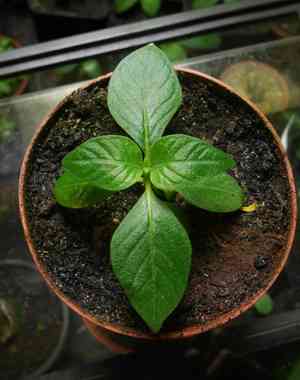
Recognized for its therapeutic attributes, quinine thrives with deliberate trimming to bolster its vitality and development. The most effective time for pruning is in the winter season, during the plant's inactive phase. Eliminate any lifeless, injured, or infected limbs and concentrate on reducing density within the plant to foster better air movement and light exposure. Consistent trimming aids in preserving the plant's form and stimulates fresh development. Always sanitize your implements to avert the dissemination of pathogens. Pruning encourages robust growth and can elevate the production of its medicinal constituents.
What Are the Benefits of Pruning Quinine?
What Are the Benefits of Pruning Quinine?
Trimming quinine promotes robust development and assists in maintaining its desired form. Regular trimming guarantees healthy branching, fostering denser leaves and enhancing the plantâs structural soundness.
What Is the Best Time for Pruning Quinine?
What Is the Best Time for Pruning Quinine?
Trimming quinine during winter is ideal as it coincides with the plant's dormant phase. At this time, quinine's growth activities slow, lessening the stress linked to pruning. This timing prevents sap loss, which can be more common during active growth in other seasons. Furthermore, winter pruning of quinine allows gardeners to shape the plant and remove any dead or diseased branches without affecting upcoming spring or early summer blooms. This practice encourages healthier growth and flowering in the subsequent season.
What Tools Do I Need to Prune Quinine?
Hand Pruners
Perfect for making clean cuts on smaller branches and twigs of quinine. These implements allow for precise control, which is vital for shaping and preserving the health of the shoots.
Lopping Shears
Appropriate for cutting through thicker branches of quinine, typically up to 1.5 inches in diameter. They offer the necessary leverage to trim larger limbs that hand pruners cannot manage.
Pruning Saw
Crucial for removing mature branches and limbs exceeding 1.5 inches in thickness. The saw enables efficient cutting of larger sections, essential for managing the overall size and structure of quinine.
Pole Pruner
Recommended for reaching elevated branches without needing ladders. This tool is especially useful for quinine as it can grow quite tall and has higher branches requiring regular trimming.
How to Prune Quinine
Identify
Thoroughly inspect quinine to pinpoint all dead and diseased branches. Look for branches that appear dry, brittle, or discolored, and those showing signs of fungal infection or decay.
Sanitize
Before beginning pruning, sanitize all pruning tools. Use a bleach or alcohol solution to disinfect shears and saws to prevent the spread of disease between plants.
Cut diseased
Carefully trim diseased branches on quinine, making cuts at least several inches below the affected areas to ensure all diseased tissue is removed. Avoid tearing the bark or leaving jagged edges, as clean cuts heal faster and are less prone to further infection.
Cut dead
Remove dead branches from quinine by cutting at the point where they meet healthy wood. Ensure cuts are made close to the branch collar without damaging it, to promote proper healing and reduce the risk of disease.
Cleanup
After pruning, clear away all cuttings and debris from around quinine to prevent the spread of pests and diseases. Properly dispose of diseased material to avoid re-infection.
Common Pruning Mistakes with Quinine
Over-pruning
Removing too much foliage at once can stress quinine, leading to weakened health and reduced flowering. Aim for removing no more than about one third of the total growth in a single session.
Incorrect cuts
Making improper cuts can damage quinine's tissues, increasing susceptibility to diseases and pests. It's crucial to make clean cuts at a 45-degree angle using sharp pruning shears.
Pruning during active growth
Pruning quinine during active growing periods can interfere with its growth and flowering cycles. This practice should generally be avoided even if not specifying the best season.
Neglecting sanitation
Using unclean tools can introduce pathogens to quinine, potentially leading to infection and disease spread. Always use sterilized tools before pruning.
Common Pruning Tips for Quinine
Timely thinning
Regularly thinning out overcrowded branches helps improve light penetration and air circulation around quinine, fostering healthier growth and better access to nutrients.
Identifying deadwood
Focus initially on removing dead or diseased branches to facilitate healthier growth and aesthetic appeal. Ensure these are identified and cut back to healthy wood.
Maintaining shape
Encourage a balanced canopy on quinine by selectively pruning to maintain an aesthetically pleasing and structurally sound shape. This supports the overall vitality of the plant.
Follow-up care
After pruning quinine, apply a balanced fertilizer and ensure adequate hydration to support recovery and robust growth. This helps the plant heal and thrive post-pruning.



