How to Transplant Longflower rabbitbrush?
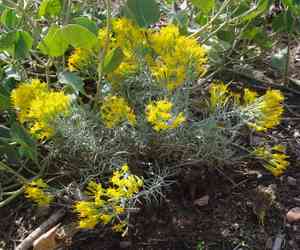
The most favorable period for transplanting longflower rabbitbrush spans from the end of winter to the beginning of summer, aligning with its vigorous development stage. Select a bright spot featuring soil that drains effectively. Should it be required, enhance water retention by applying a bit more mulch after the transfer.
What Preparations are Needed Before Transplanting Longflower Rabbitbrush?
What is the Ideal Time for Transplanting Longflower Rabbitbrush?
The optimal period for relocating longflower rabbitbrush is as winter concludes and spring commences, typically marked by milder weather and the onset of the growth cycle. Moving longflower rabbitbrush during this timeframe capitalizes on spring's favorable conditions, allowing roots ample opportunity to establish in the warming soil. This strategic timing fosters vigorous growth and prepares longflower rabbitbrush to flourish in subsequent seasons, utilizing spring's natural rhythms for successful cultivation.
How Much Space Should You Leave Between Longflower Rabbitbrush Plants?
When planting your longflower rabbitbrush, allow them ample room to develop! Position them 18-36 inches (45-91 cm) apart for optimal spreading and growth.
What is the Best Soil Mix for Longflower Rabbitbrush Transplanting?
For your longflower rabbitbrush, incorporate a well-draining soil blend with a small amount of low-nitrogen fertilizer to ensure a strong start!
Where Should You Relocate Your Longflower Rabbitbrush?
Longflower rabbitbrush thrives in sunlight! Locate a sunny spot in your garden that receives at least 6 hours of direct sun daily for best development.
What Equipments Should You Prepare Before Transplantation Longflower Rabbitbrush?
Gardening Gloves
To safeguard your hands while handling soil and the plant.
Shovel or Spade
For excavating around and beneath the plant to successfully remove it.
Hand Trowel
For detailed work and smaller roots, or for preparing the new planting hole.
Watering Can or Hose
To hydrate the plant before and after removal, and to aid its establishment in the new site.
Wheelbarrow or Garden Cart
For transporting the plant and soil materials.
Pruning Shears
To trim any damaged roots or excess foliage prior to transplanting.
Root Pruning Saw
For larger roots that require cutting when extracting the plant from the ground.
Mulch
To provide a protective layer over the soil following transplantation.
How Do You Remove Longflower Rabbitbrush from the Soil?
How Do You Remove Longflower Rabbitbrush from the Soil?
From Ground: First, irrigate the longflower rabbitbrush plant to moisten the soil. Next, excavate a sufficiently wide trench around the plant using a shovel or spade, ensuring the plant's root ball remains intact. Carefully work the spade beneath the root ball to lift the plant from its original position.From Pot: Begin by watering the longflower rabbitbrush plant to facilitate its removal. Then, gently tap the pot's sides to loosen the soil and roots. Invert the pot and guide the plant out, taking care not to pull on the stem or leaves.From Seedling Tray: Water the soil in the tray to make it pliable. Use a hand trowel or your fingers to carefully lift the longflower rabbitbrush seedling, ensuring to include the roots and attached soil without causing harm.
Step-by-Step Guide for Transplanting Longflower Rabbitbrush
Preparation Before Moving
Thoroughly water your longflower rabbitbrush plant a day prior to transplanting to ensure it is well-hydrated.
Digging New Hole
Using a hand trowel, excavate a hole in the ground that is twice as wide and as deep as the root ball of your longflower rabbitbrush.
Extracting the Plant
Follow the previous instructions for removing your longflower rabbitbrush from its initial location, being careful not to harm the root system.
Placing the Plant
Position the longflower rabbitbrush into the new hole at the same soil depth it was previously growing and gently spread its roots.
Backfilling the Hole
Fill the hole with soil around the roots of the longflower rabbitbrush, gently patting down to eliminate large air pockets.
Watering After Transplanting
Provide your longflower rabbitbrush with a deep watering to settle the soil and aid in recovery from transplant shock.
Applying Mulch
Apply a layer of mulch around the base of the longflower rabbitbrush to help retain moisture and suppress weeds.
How Do You Care For Longflower Rabbitbrush After Transplanting?
Consistent Watering
Ensure the soil around longflower rabbitbrush remains moist to assist in its recovery and establishment. Avoid overwatering, as this can lead to rot.
Protection from Elements
In the event of harsh weather conditions such as strong winds or intense heat, consider utilizing a windbreak or shade cloth to safeguard longflower rabbitbrush.
Monitoring Growth
Observe the leaves and overall growth of your longflower rabbitbrush for indications of transplant shock, which may appear as wilting or discolored foliage.
Root Stimulators
Consider employing a root stimulator to encourage root development and plant establishment after transplanting.
Avoid Fertilizers Immediately
Refrain from fertilizing longflower rabbitbrush immediately after transplanting as it can damage delicate roots. Wait until the plant has become established.
Regular Check-ups
Inspect weekly for signs of stress, pests, or disease and address issues promptly to maintain the health of your longflower rabbitbrush.
Troubleshooting Common Issues with Longflower Rabbitbrush Transplantation.
What's the best time to transplant longflower rabbitbrush?
Relocate longflower rabbitbrush during the optimal period of the season: between early to mid-spring.
How far apart should I space longflower rabbitbrush when transplanting?
Allow longflower rabbitbrush ample room to flourish by spacing them 18-36 inches (45-91 cm) apart.
Does longflower rabbitbrush require special soil preparation before transplanting?
Improve the soil with compost to ensure longflower rabbitbrush settles into a nutrient-rich environment.
How deep should I dig the hole for transplanting longflower rabbitbrush?
Excavate a hole as deep as the root ball but twice as wide to accommodate longflower rabbitbrush.
What should I do if longflower rabbitbrush's leaves wilt after transplanting?
Provide gentle irrigation to revitalize longflower rabbitbrush, ensuring the soil stays moist but not waterlogged.
How should I water longflower rabbitbrush after transplanting?
Water longflower rabbitbrush generously immediately after transplanting, then maintain consistently moist soil.
Can longflower rabbitbrush be transplanted when it's blooming?
It's advisable to postpone, as moving longflower rabbitbrush during bloom may induce stress and shock.
How can I protect longflower rabbitbrush from transplant shock?
Minimize root disturbance and provide shade for a few days post-transplant to lessen shock.
Is it necessary to prune longflower rabbitbrush before transplanting?
Light pruning might encourage new growth, but extensive pruning is not required before transplanting longflower rabbitbrush.
How long after transplanting will longflower rabbitbrush become established?
With appropriate care, longflower rabbitbrush will typically root and thrive within one growing season.



