The Longflower rabbitbrush Plant Advantage: Maximizing Home and Office Appeal and Wellness
1
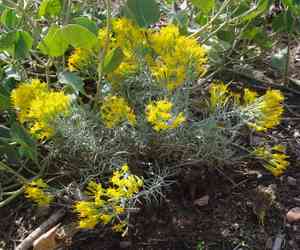
Longflower rabbitbrush is a water-wise plant perfect for arid landscapes.
2
Its vibrant yellow blooms draw in beneficial pollinators.
3
Longflower rabbitbrush aids in securing soil due to its extensive root network.
Why Select Longflower Rabbitbrush for Your Garden?
Aridity Resistance
Longflower rabbitbrush is a robust plant needing minimal water, making it ideal for xeriscaping. Its capacity to flourish in dry environments ensures your garden stays vibrant even during extended arid periods. This characteristic not only conserves water but also lessens the need for frequent watering.
Attracting Pollinators
Longflower rabbitbrush produces striking bright yellow blossoms that draw in pollinators like bees and butterflies. By luring these beneficial insects, the plant fosters biodiversity and aids in the pollination of other garden flowers. This attribute makes Longflower rabbitbrush a vital part of a flourishing, self-sustaining garden ecosystem.
Environmental Advantages of Longflower Rabbitbrush
Soil Stabilization
A less recognized but highly valuable benefit of Longflower rabbitbrush is its capacity to stabilize soil. The plant's deep, extensive root system helps prevent soil erosion, making it an excellent option for areas prone to erosion. Its roots bind the soil, reducing topsoil loss and maintaining soil health.
Air Quality Enhancement
Longflower rabbitbrush contributes to improved air quality by acting as a natural air purifier. Through photosynthesis, it absorbs carbon dioxide and releases oxygen, thereby enhancing the air quality around your garden. Furthermore, this process lowers the carbon footprint, making Longflower rabbitbrush a valuable plant for combating climate change.
Cultivating and Caring for Longflower Rabbitbrush
Planting Advice
Growing Longflower rabbitbrush is quite simple if you follow some basic planting guidelines. First, choose a sunny spot as Longflower rabbitbrush thrives best in full sunlight. The soil should drain well to prevent waterlogging, which can harm the plant's roots. If your soil is heavy clay, consider adding sand or gravel to improve drainage.
Upkeep and Care
Longflower rabbitbrush requires minimal upkeep once established. However, during the initial planting phase, water the plant regularly until it roots. Afterward, you can decrease watering frequency. Pruning is only necessary to maintain the plant's shape and encourage new growth. Adding mulch can help retain soil moisture and suppress weeds.
Pest and Disease Management
Longflower rabbitbrush is relatively pest-resistant, but it can occasionally attract aphids or spider mites. To manage these pests, you can use natural predators like ladybugs or apply a mild soapy water solution. Fungal diseases are rare but can occur in overly wet conditions; therefore, ensuring proper drainage is crucial.
How Longflower Rabbitbrush Contributes to Biodiversity?
Supporting Local Wildlife
By planting Longflower rabbitbrush, you create a mini-habitat that supports local wildlife. The plant provides food and shelter for various insects, birds, and small mammals. This feature significantly contributes to local biodiversity, making your garden not just visually appealing but also an ecological sanctuary.
Enhancing Ecosystem Services
Longflower rabbitbrush plays a vital role in enhancing ecosystem services such as pollination, pest control, and soil fertility. By attracting beneficial insects and birds, it helps control pest populations naturally. Furthermore, its ability to improve and stabilize soil health enhances the overall productivity and sustainability of the ecosystem.
Sustainable Landscaping with Longflower Rabbitbrush
Reducing Water Consumption
One of the key advantages of incorporating Longflower rabbitbrush into your landscaping is the significant decrease in water usage. Its drought-tolerant nature means you'll spend less time and resources on irrigation, making it a sustainable choice for your garden. This feature is especially beneficial in areas facing water scarcity.
Minimizing Chemical Use
Due to Longflower rabbitbrush's natural resistance to pests and diseases, there's less need for chemical pesticides and fertilizers. This reduction in chemical use promotes a healthier environment, safeguarding both soil and water quality. Additionally, it creates a safer space for pets and children to play and explore.
Creating Aesthetic Appeal
Longflower rabbitbrush's vibrant yellow flowers and distinctive growth habit add considerable aesthetic value to any landscape. Whether used as a standalone feature or combined with other drought-tolerant plants, it creates visually pleasing arrangements that can enhance your garden's overall beauty.



