How to Prune Longflower rabbitbrush?
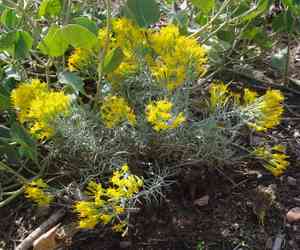
This arid-adapted bush, featuring yellow flowers, flourishes with periodic trimming. For longflower rabbitbrush, winter pruning during its inactive period stimulates robust spring development and preserves its inherent form. Eliminate deceased or compromised wood and thin congested branches to improve air movement. Snip off faded flower stems to foster additional flowering. Pruning not only revitalizes growth but also deters excessive expansion, safeguarding the plant's aesthetic charm and well-being.
What Are the Benefits of Pruning Longflower Rabbitbrush?
What Are the Benefits of Pruning Longflower Rabbitbrush?
Trimming longflower rabbitbrush promotes robust development and helps maintain its form, ensuring a healthier structure and a more attractive appearance. Strategic cutting enhances plant vigor and lifespan.
What Is the Best Time for Pruning Longflower Rabbitbrush?
What Is the Best Time for Pruning Longflower Rabbitbrush?
Late Winter is the optimal period for trimming longflower rabbitbrush due to several reasons. During this time, the plant is typically dormant, minimizing stress and energy loss that can occur with pruning during active growth. This timing prevents the removal of new shoots that usually emerge in spring and allows for better wound recovery before warmer temperatures arrive. Additionally, pruning before new spring growth helps encourage a more desirable shape and size for the upcoming season. It also assists in removing any damaged or diseased branches that could impact the plant's overall health. By pruning in late winter, gardeners also avoid cutting off flower buds, ensuring the flowering cycle is not interrupted. Since longflower rabbitbrush flowers in late summer to fall, its bloom production will not be affected by late winter pruning.
What Tools Do I Need to Prune Longflower Rabbitbrush?
Hand Pruners
Perfect for snipping stems and small branches up to 3/4 inch in diameter. For longflower rabbitbrush, which has relatively soft stems, bypass pruners are recommended for clean cuts that aid healing.
Lopping Shears
These are suitable for branches between 3/4 inch and 2 inches in diameter. Longflower rabbitbrush may develop thicker branches as it matures, and lopping shears will provide the necessary leverage and cutting power without harming the plant.
Pruning Saw
When longflower rabbitbrush displays more mature growth with branches exceeding 2 inches, a pruning saw is essential for making clean cuts. A saw with a curved blade would facilitate reaching into the shrub's structure.
Hedge Shears
For shaping and maintaining the dense foliage of longflower rabbitbrush, hedge shears can be utilized to trim and sculpt the outermost growth.
How to Prune Longflower Rabbitbrush
Clean tools
Before beginning the pruning process, sterilize all tools to prevent the spread of disease to longflower rabbitbrush. Use a solution of one part bleach to nine parts water to clean the blades of your pruners or shears.
Remove withered leaves
Carefully remove any withered leaves from longflower rabbitbrush by snipping them at the base where they connect to the stem or branch. Use clean, sharp pruning shears to ensure a clean cut without damaging the plant.
Cut dead branches
Identify and trim dead branches on longflower rabbitbrush by cutting them back to the point where they meet healthy wood. Make the cut at a slight angle to promote water runoff and avoid damage to the main stem or neighboring branches.
Prune diseased branches
When pruning diseased branches from longflower rabbitbrush, cut well below the affected area to ensure that all diseased tissue is removed. Seal the cuts with pruning paint if necessary, to help prevent infection.
Shape plant
After removing withered leaves, dead and diseased branches, lightly shape longflower rabbitbrush to maintain a pleasing appearance and promote air circulation. Avoid over-pruning, as this can stress the plant and reduce its vigor.
Common Pruning Mistakes with Longflower Rabbitbrush
Overpruning
Removing excessive foliage from longflower rabbitbrush can stress the plant, leading to reduced growth and fewer flowers. It's important to prune only what is necessary for shaping and removing dead or diseased branches.
Pruning too early
Cutting back longflower rabbitbrush before it has finished flowering can result in the loss of the current season's blooms. It is crucial to wait until after the flowering cycle has ended.
Inadequate tool maintenance
Using dull or dirty tools can cause damage to the branches of longflower rabbitbrush, leading to uneven cuts and an increased risk of disease. Tools should be kept sharp and clean for a clean cut.
Improper cuts
Making cuts that are too close to the trunk or leaving large stubs can harm longflower rabbitbrush. Cuts should be made at a 45-degree angle just above leaf nodes or branching points.
Neglecting diseased material
Failing to remove diseased or infected branches during pruning can allow the disease to spread throughout longflower rabbitbrush. It's essential to identify and remove such material promptly.
Common Pruning Tips for Longflower Rabbitbrush
Understand plant structure
Familiarize yourself with the growth pattern of longflower rabbitbrush to make informed decisions about which branches to prune for maintaining the plant's natural form.
Encouraging branching
To promote a more dense and bushy growth for longflower rabbitbrush, pinch or cut back the tips of young stems during the active growing season.
Removing dead material
Regularly inspect longflower rabbitbrush for dead, diseased, or damaged branches, and carefully remove them to improve air circulation and reduce the risk of disease.
Rejuvenation pruning
If longflower rabbitbrush has become overgrown or woody, consider rejuvenation pruning by cutting back the plant's older stems to encourage new, vigorous growth.
Use of proper tools
Employ the correct pruning tools, such as hand pruners for smaller branches and loppers for larger ones, to ensure precise cuts without damaging longflower rabbitbrush.



