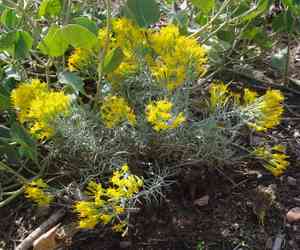
Longflower rabbitbrush (Chrysothamnus depressus)
Also known as: Small rabbitbrush
The Longflower rabbitbrush is a wildflower that typically thrives in large clusters, creating a picturesque display when it blooms during the summer. The plant's scientific name, *Chrysothamnus depressus*, includes the specific epithet "depressus," which indicates its relatively short height, growing to a maximum of approximately 46 cm.
In This Article
Attributes of Longflower rabbitbrush
Lifespan
Perennial
Plant Type
Shrub
Plant Height
30 cm
Spread
20-50 cm
Leaf Color
Green Blue
Flower Size
0.5-1 cm
Flower Color
Yellow
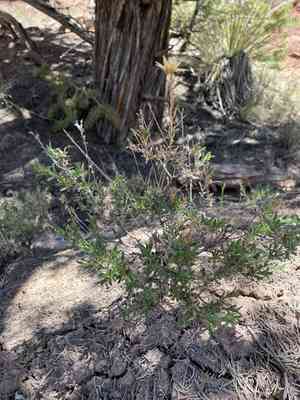
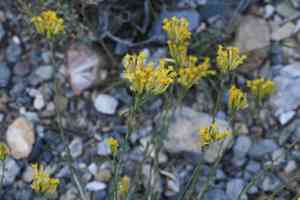
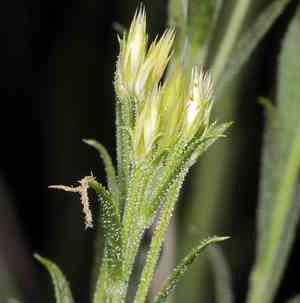
Images of Longflower rabbitbrush
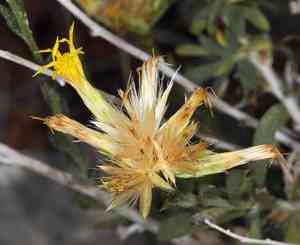
Quickly Identify Longflower rabbitbrush
1
This plant can be identified by its low, spreading habit, silvery-green narrow leaves, and bright yellow flower clusters that appear in late summer to early fall.
Scientific Classification of Longflower rabbitbrush
Phylum
Vascular plants
Class
Dicotyledons
Order
Asterales
Family
Daisy
Genus
Rabbitbrush
Species
Longflower rabbitbrush
Planting and Growing of Longflower rabbitbrush
Care Difficulty
Easy
Watering Schedule
Every day
Sunlight Requirements
Full sun
Sunshine Duration
6-12 hours
Ideal Temperature
60-75℉
Soil Type
Potting Mix, Peat Mix
Soil pH
6.5-7.5
Fertilizer Type
Balanced
Pruning Season
Spring, Summer
Pruning Area
Branches, Leaves
Pruning Frequency
2 times a year
Repotting Season
Spring
Pot Type
Terracotta, Plastic
 How to Water Longflower rabbitbrush?
Chrysothamnus depressus typically thrives in dry, well-drained soils, reflecting its native arid environment. It's essential to mimic these conditions by keeping the watering to just enough to soak the root area, approximately 500 ml per session. Always ensure the water reaches the roots without letting it stagnate.
What are the symptoms of an underwatered Longflower rabbitbrush?
›
What should I do if my Longflower rabbitbrush is not getting enough water?
›
What are the symptoms of an overwatered Longflower rabbitbrush?
›
How to save an overwatered Longflower rabbitbrush?
›
 What Are the Sunlight Requirements for Longflower rabbitbrush?
Chrysothamnus depressus thrives best in full sun conditions, ideally 6 to 8 hours of direct sunlight per day. This exposure promotes optimal growth, blooming, and health through sufficient energy intake for photosynthesis and nutrient uptake.
What is the ideal sunlight exposure for Chrysothamnus depressus?
›
How can I ensure Chrysothamnus depressus gets ideal sunlight conditions?
›
What benefits does Chrysothamnus depressus gain from ideal light conditions?
›
 What Is the Ideal Temperature Range for Longflower rabbitbrush?
The ideal temperature range for Chrysothamnus depressus, between 60°F and 75°F, is crucial as it ensures optimal metabolic activities for growth and photosynthesis. The consistency in this temperature range aids the plant in maintaining a stable internal environment, crucial for cellular functions and energy production.
 What Soil is Best for Longflower rabbitbrush?
Chrysothamnus depressus thrives in well-drained soil, preventing waterlogging and root rot. This condition enhances root aeration, crucial for nutrient uptake and overall plant vigor. This plant adapts well to slightly alkaline soils, supporting optimal growth. The pH level helps in nutrient availability and ensures a healthy root system. While Chrysothamnus depressus does not demand nutrient-rich soils, moderate supply boosts its growth. Adequate nutrients help in robust foliage and vibrant flowering.
 How to Fertilize Longflower rabbitbrush?
For Chrysothamnus depressus, it's important to apply a balanced amount of fertilizer. During the growing season, a light application of liquid fertilizer every two weeks is sufficient. For solid fertilizers, use about 1/4 to 1/2 cup of granular slow-release fertilizer per plant annually. Avoid over-fertilizing, as this plant is adapted to nutrient-poor environments.
 How to Prune Longflower rabbitbrush?
Begin by trimming any dead or diseased branches, cutting back to healthy wood. Focus on maintaining the plant's natural dome shape by shortening longer stems to an outward-facing bud. This encourages a fuller appearance and consistent growth. After flowering, remove spent blooms to encourage continuous blooming. Cut back to a healthy set of leaves, which will redirect the plant’s energy into developing new buds and enhance flowering in the next cycle.
More About Pruning Techniques→
 How to Propagate Longflower rabbitbrush plant?
1
Collect seeds from mature Chrysothamnus depressus plants during late autumn when seeds are fully developed. Clean and dry seeds thoroughly to minimize the risk of fungal infections before storage or planting.
2
Select healthy, non-flowering stems to take cuttings. Ensure cuttings are around 4-6 inches long and remove any leaves from the lower half to reduce water loss through transpiration.
3
Carefully dig up mature plants during early summer. Gently separate the root clumps ensuring each section has roots and shoots, then replant divisions promptly to avoid drying out.
 How to Repot Longflower rabbitbrush plant?
1
Chrysothamnus depressus should be repotted when its roots begin to outgrow the current pot, or if you notice the plant is not thriving as it should. This can be evident if water is not draining properly or if growth appears stunted. Early spring is an ideal time as new growth begins, allowing the plant to quickly establish in its new home.
2
Select a pot that is only slightly larger than the current one; ideally, it should be 1-2 inches wider in diameter. This ensures that excess soil does not retain water and potentially cause root rot. The pot should have adequate drainage holes at the bottom for excess water to escape easily.
3
Opt for a well-draining soil, such as a cactus or succulent mix that mimics the plant’s natural arid environment. This type of soil provides excellent aeration and prevents water from pooling around the roots, reducing the risk of root rot.



