How to Transplant Woody goldenrod?
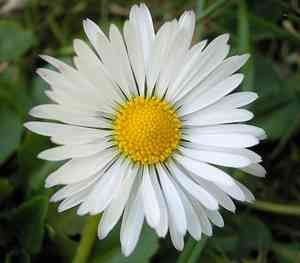
For Solidago 1, the ideal period for relocation extends from early spring through its end, since the warming earth aids in root development. Select a bright spot with soil that drains effectively. Handle with care to lessen any disruption to the roots.
What Preparations are Needed Before Transplanting Woody Goldenrod?
What is the Ideal Time for Transplanting Woody Goldenrod?
Woody goldenrod, a perennial, flourishes when moved from early to mid-spring. This timing ensures the plant benefits from suitable soil temperatures and moisture levels, fostering strong root development. Transplanting during this period helps woody goldenrod adapt before summer's harsher conditions, leading to healthier growth and improved survival rates.
How Much Space Should You Leave Between Woody Goldenrod Plants?
When relocating woody goldenrod, position each plant approximately 18-24 inches (45-60 cm) apart. This spacing promotes good air circulation and allows each plant to mature fully without competition.
What is the Best Soil Mix for Woody Goldenrod Transplanting?
For woody goldenrod, prepare soil that drains well, such as sandy or loamy types. Incorporate a base fertilizer rich in phosphorus to encourage robust root growth. A balanced 10-10-10 formula will be effective.
Where Should You Relocate Your Woody Goldenrod?
Woody goldenrod thrives in full sun, so select a spot that receives at least 6-8 hours of direct sunlight daily. This will help the plant develop strong and healthy.
What Equipments Should You Prepare Before Transplantation Woody Goldenrod?
Gardening Gloves
To safeguard your hands while handling soil and plants.
Shovel or Spade
For digging around and lifting the plant from its original spot.
Trowel
Useful for smaller, more delicate excavation tasks.
Watering Can or Hose
To hydrate the plant before and after its relocation.
Wheelbarrow
Helpful for moving the plant and soil.
Pruners
To trim any damaged or excess roots or branches during the transplant process.
How Do You Remove Woody Goldenrod from the Soil?
How Do You Remove Woody Goldenrod from the Soil?
From Ground: First, moisten the woody goldenrod plant to dampen the soil. Then, excavate a wide trench around the plant using a shovel or spade, ensuring the plant's root ball remains intact. Carefully work the spade beneath the root ball to lift the plant from its initial location.From Pot: Water the woody goldenrod plant thoroughly before extraction. Gently tilt the pot sideways and tap its sides to loosen the soil. Carefully slide the plant out, supporting the root ball with one hand and the plant base with the other.From Seedling Tray: Dampen the soil in the seedling tray. Use a trowel or your fingers to gently lift each woody goldenrod seedling from the tray, taking care to protect the delicate roots.
Step-by-Step Guide for Transplanting Woody Goldenrod
Plant Preparation
Ensure the root ball is damp by watering the plant a few hours prior to transplant. This helps minimize transplant shock.
Choose a Cloudy Day
If feasible, select a cloudy day or late afternoon for transplanting, as this lessens the plant's exposure to intense sunlight during the transition.
Dig the New Hole
Excavate a hole in the new spot that is roughly twice as wide and the same depth as the woody goldenrod's root ball.
Add Organic Matter
Place some compost or organic material into the bottom of the hole to enrich soil fertility and provide a nutrient boost to the relocated woody goldenrod.
Plant Placement
Gently position the woody goldenrod into the hole, ensuring it sits at the same depth it was previously growing. Fill around the root ball with soil, firming it gently to eliminate air pockets.
Water Thoroughly
Water the plant thoroughly after planting to help settle the soil and initiate root establishment in the new location.
Mulching
Apply a layer of mulch around the base of the woody goldenrod to help retain moisture and suppress weeds.
How Do You Care For Woody Goldenrod After Transplanting?
Watering
Keep the soil around the woody goldenrod consistently moist, but not waterlogged, for the initial weeks post-transplant to aid in strong root establishment.
Monitoring
Regularly inspect the plant for signs of distress, such as wilting or yellowing leaves, and adjust care as necessary.
Pruning
Trim off any dead or damaged foliage to help the plant direct its energy towards root establishment.
Pest Control
Watch for any pests that might have been disturbed during the transplant process and take appropriate action if needed.
Support
If the woody goldenrod plant is tall or top-heavy, consider providing support like a stake or frame to keep it upright and reduce stress on the roots.
Troubleshooting Common Issues with Woody Goldenrod Transplantation.
When is the best time to transplant woody goldenrod?
Relocate woody goldenrod from early spring to late spring for optimal growth and establishment.
What is the ideal spacing for transplanting woody goldenrod?
Space woody goldenrod plants 18-24 inches (46-61 cm) apart to encourage healthy growth and air circulation.
How do you prepare the soil for woody goldenrod?
Enrich soil with compost and ensure good drainage to provide a solid foundation for woody goldenrod.
What tools are necessary for transplanting woody goldenrod?
Utilize a spade, garden fork, and watering can for effective woody goldenrod transplantation.
How deep should you plant woody goldenrod?
Plant woody goldenrod at the same depth it was in its original container to prevent stress.
How often should you water newly transplanted woody goldenrod?
Water woody goldenrod regularly, ensuring the soil stays moist but not saturated, especially in the first few weeks.
Do you need to trim woody goldenrod before transplanting?
Trim any damaged or excessively long roots before relocating woody goldenrod to stimulate new growth.
Can woody goldenrod be transplanted in poor soil?
Woody goldenrod can adapt, but enrich poor soil with organic matter to enhance success.
How to handle woody goldenrod roots during transplanting?
Gently loosen the root ball of woody goldenrod before planting to promote root expansion.
What should be done if woody goldenrod shows transplant shock?
Keep woody goldenrod well-watered and protected from intense sun until it shows signs of recovery.



