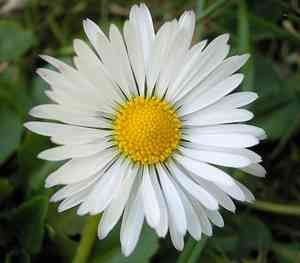
Woody goldenrod (Chrysoma pauciflosculosa)
Also known as: Golden Aster
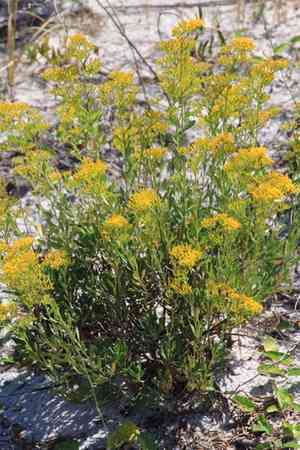
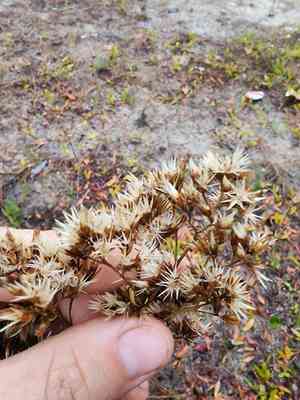
Woody goldenrod (Chrysoma pauciflosculosa) excels in arid and sandy soils due to its unique adaptations. This hardy, bushy perennial features golden-yellow flower clusters that bloom sparsely on robust, woody stems. Its narrow, silver-green leaves are specifically adapted to reflect sunlight, thereby conserving moisture. The plant’s adaptations are finely tuned to its dry environment, with limited but specialized flowers that attract specific pollinators. These characteristics enable woody goldenrod to not only survive but thrive in tough, low-nutrient conditions.
In This Article
Attributes of Woody goldenrod
Lifespan
Perennial
Plant Type
Shrub
Plant Height
1 to 3 feet (30 to 90 cm)
Spread
1 to 2 feet (30 to 60 cm)
Leaf Color
Green
Flower Size
0.5 to 1 inch (1.3 to 2.5 cm)
Flower Color
Bright yellow
Images of Woody goldenrod
Quickly Identify Woody goldenrod
1
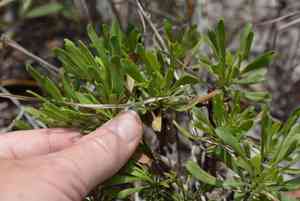
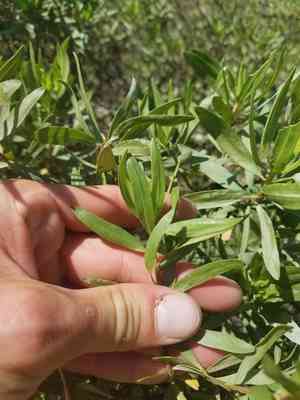
This plant can be identified by its bright yellow, daisy-like flowers and slender, linear leaves that are often covered in fine hairs. It typically grows in sandy soils of coastal regions.
Scientific Classification of Woody goldenrod
Phylum
Vascular plants
Class
Dicotyledons
Order
Asterales
Family
Daisy
Genus
Chrysoma
Species
Woody goldenrod
Planting and Growing of Woody goldenrod
Care Difficulty
Easy
Watering Schedule
Every day
Sunlight Requirements
Full sun
Sunshine Duration
4-8 hours
Ideal Temperature
65-75℉
Soil Type
Potting Mix, Peat Mix
Soil pH
6.5-7.5
Fertilizer Type
Balanced
Pruning Season
Spring, Summer
Pruning Area
Branches, Leaves
Pruning Frequency
2 times a year
Repotting Season
Spring
Pot Type
Plastic, Ceramic
 How to Water Woody goldenrod?
For Chrysoma pauciflosculosa, a deep but infrequent watering strategy is key. Ensure that 250 ml of water per plant is applied, soaking the soil thoroughly and allowing it to dry out completely between waterings. This simulates the plant's native habitat conditions.
What are the symptoms of an underwatered Woody goldenrod?
›
What should I do if my Woody goldenrod is not getting enough water?
›
What are the symptoms of an overwatered Woody goldenrod?
›
How to save an overwatered Woody goldenrod?
›
 What Are the Sunlight Requirements for Woody goldenrod?
Chrysoma pauciflosculosa ideally requires full sun exposure. Adequate sunlight ensures vigorous foliage, robust bloom, and enhances the plant's overall health and resilience against external stress factors.
How much light does Chrysoma pauciflosculosa need?
›
What is the best placement for this plant?
›
What benefits does ideal lighting provide?
›
 What Is the Ideal Temperature Range for Woody goldenrod?
Chrysoma pauciflosculosa thrives best in a temperature range between 65°F and 75°F. This range ensures optimal photosynthesis and growth rate, providing the plant with a stable environment that mimics its native conditions. Maintaining this temperature consistently helps the plant to avoid stress and promotes the healthiest foliage production.
 What Soil is Best for Woody goldenrod?
Chrysoma pauciflosculosa thrives in soils with excellent drainage. Waterlogged conditions can harm the roots, and good drainage ensures that plant roots get the right balance of air and moisture, preventing root rot. Although not very demanding, this plant benefits from a soils that provide basic nutrients. A sandy loam with some organic matter can enhance growth, supporting vibrant foliage and prolonged flowering periods. Preferring a slightly acidic to neutral pH range, Chrysoma pauciflosculosa can tolerate pH from 6.5 to 7.5. Maintaining this range ensures the plant can efficiently absorb the available nutrients from the soil.
 How to Fertilize Woody goldenrod?
Chrysoma pauciflosculosa generally requires a light fertilization regimen. For liquid fertilizers, use a diluted solution, specifically 1/4 of the recommended concentration on the packaging. For slow-release fertilizers, apply no more than 1 to 2 pounds per 100 square feet of garden space.
 How to Prune Woody goldenrod?
Begin by identifying dead, damaged, or diseased branches and remove them with a clean, sharp pair of pruning shears. This not only improves the plant’s aesthetics but also enhances air circulation and sunlight penetration, essential for vibrant growth. Trim back any overgrown branches to shape the plant as desired, following its natural form. Make cuts just above a bud that faces outward to ensure new growth expands in the right direction. Maintain a balanced look by evenly trimming around the plant. To encourage Chrysoma pauciflosculosa to produce more blooms, snip off spent flowers right after they fade. This redirection of the plant’s energy can stimulate additional flowering and keep your plant looking lively throughout the season.
More About Pruning Techniques→
 How to Propagate Woody goldenrod plant?
1
To propagate from seed, collect seeds as the flower heads mature and dry. Ensure the seeds are fully mature and dry before planting, as immature seeds may not germinate well.
2
Select a healthy, mature stem, and use pruning shears to cut just below a node. The cutting should be 10-15 cm in length. Remove lower leaves to reduce moisture loss and encourage root growth.
3
Plant seeds in seed trays covered lightly with soil. For cuttings, plant in a well-draining potting mix, maintaining adequate moisture but ensuring the mix is not waterlogged.
 How to Repot Woody goldenrod plant?
1
Chrysoma pauciflosculosa needs repotting when roots start protruding from the drainage holes or if you notice a decline in growth vigor. Another sign is when water takes longer to drain through the pot. These indicators suggest the plant has outgrown its current pot and would benefit from more space and fresh soil.
2
Choose a pot that is 1-2 inches larger in diameter than the current one. Opt for a pot with ample drainage holes to prevent waterlogging. The larger pot will allow for root expansion and ensure healthy growth, while proper drainage will protect against root rot, which is crucial for this species.
3
Select a well-draining sandy soil mix, specifically tailored to mimic the plant's natural conditions. This kind of soil ensures proper aeration and prevents the roots from becoming waterlogged, which is vital for the plant's health and resilience. A balanced mix will also support nutrient uptake.
Learn More About Woody goldenrod Diseases
Anthracnose
Bacterial Leaf Spot
Black Spot
Chemical Injury
Crown Gall
Damping-off
Downy Mildew
Drought Stress
Fusarium Wilt
Gray Mold
Leaf Spot
Mosaic
Nutrient Deficiency
Nutrient Toxicity
Powdery Mildew
Root Rot
Root-knot Nematode
Rusts
Sooty Mold
Spider Mites
Temperature Stress
Thrips Damage
White Mold



