How to Prune Woody goldenrod?
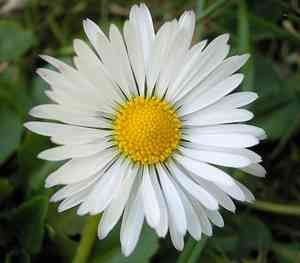
Distinguished by its diminutive, golden blossoms, woody goldenrod thrives with trimming in the initial part of spring or the latter part of winter. Remove lifeless or frail branches to foster well-being and vigor, and cut back aged growth to stimulate fresh sprouts. Verify that sterile, keen implements are utilized to prevent ailments. Consistent trimming improves air circulation and light access, which are vital for this plant's progression. Adhering to these methods not only sculpts the plant but also incites more prolific flowering and general development.
What Are the Benefits of Pruning Woody Goldenrod?
What Are the Benefits of Pruning Woody Goldenrod?
Trimming woody goldenrod encourages robust development and preserves its form, ensuring peak health and visual appeal. It promotes denser foliage and enhances structural integrity, vital for its look and longevity.
What Is the Best Time for Pruning Woody Goldenrod?
What Is the Best Time for Pruning Woody Goldenrod?
Trimming woody goldenrod in late winter or early spring is ideal, as this period aligns with the plant's dormancy, concluding just before the active growth season. Removing dead or overgrown branches then minimizes stress on woody goldenrod, as it's not actively allocating resources to growth, flowering, or fruiting. This timing also allows the plant to heal pruning wounds efficiently with the surge of energy and growth in spring, leading to healthier, more robust development throughout the growing season. Furthermore, it avoids removing new buds crucial for the upcoming flowering period, thus preserving the plant's natural beauty and reproductive cycle.
What Tools Do I Need to Prune Woody Goldenrod?
Hand Pruners
Perfect for making neat, precise cuts on woody goldenrod's thinner stems and branches. Bypass pruners are especially good because their blades slide past each other like scissors, providing a clean cut that supports good plant health.
Lopping Shears
Useful for cutting through thicker woody goldenrod branches that hand pruners can't manage. Lopping shears have long handles, offering the leverage needed to cut through woodier stems up to 1.5 to 2 inches in diameter.
Pruning Saw
Essential for removing the oldest and thickest branches of woody goldenrod, particularly as the plant matures. A pruning saw can handle branches several inches thick, aiding in the removal of old growth to stimulate new growth and flowering.
Gardening Gloves
Crucial for protecting the gardener's hands from thorns and rough branches during the pruning process. Safety is paramount when handling sharp pruning tools and coarse plant material.
How to Prune Woody Goldenrod
Identify
Locate and isolate diseased or withered leaves, along with any dead or diseased branches on woody goldenrod. This prevents accidental removal of healthy growth during pruning.
Disinfect
Sanitize your pruning tools before and after use to prevent disease transmission. Use a bleach or rubbing alcohol solution to thoroughly clean the blades.
Cutting technique
Use sharp, clean pruning shears for precise cuts. For leaves and small branches, cut close to the base without harming the main stem or nearby healthy tissues.
Shape and health
Trim woody goldenrod to maintain its natural form and enhance air circulation, which helps prevent diseases. Remove overlapping branches and ensure the plant's center is not overcrowded.
Cleanup
Gather and dispose of all pruned materials (diseased leaves, withered leaves, dead branches, diseased branches) off-site to reduce the risk of reinfection or pest infestation.
Common Pruning Mistakes with Woody Goldenrod
Over-pruning
Removing too much foliage from woody goldenrod can weaken it. Beginners often cut back excessively, either to shape the plant or mistakenly believing it promotes more vigorous growth. However, this can stress woody goldenrod, leading to poor growth and reduced flowering.
Improper cut technique
Incorrect cutting technique during pruning can result in jagged or torn stems, making woody goldenrod vulnerable to disease and pest infestations. Both new and experienced gardeners should ensure cuts are clean and made with sharp tools.
Pruning at wrong time
Although this section excludes seasonal timing, pruning at incorrect developmental stages, such as during budding, can hinder flower production in woody goldenrod and may affect the plant's overall health.
Common Pruning Tips for Woody Goldenrod
Right tool selection
Use sharp, clean pruning shears or secateurs. This ensures clean cuts that heal quickly, preventing disease entry and promoting rapid recovery for woody goldenrod.
Moderate pruning
Prune sparingly, focusing on removing only dead or diseased wood and thinning out dense areas to improve light penetration and air circulation. This maintains the health and aesthetics of woody goldenrod while ensuring vigorous growth and ample flowering.
Strategic cut location
Make cuts just above a bud that faces the direction you want new growth to take. This helps shape woody goldenrod as it grows, directing the growth outward or upward, enhancing its natural form.



