How to Propagate Woody goldenrod?
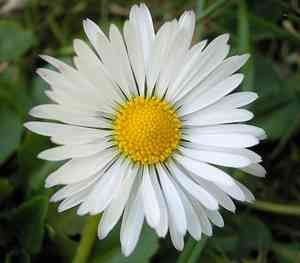
Woody goldenrod flourishes when reproduced via cuttings. For successful establishment, select robust stems and prepare sections with multiple nodes. Employing rooting stimulant can boost root formation, and sustaining elevated humidity is vital during the preliminary rooting stage. Confirm the cuttings are situated in a porous, sandy substrate blend to foster vigorous development.
Optimal Time for Woody Goldenrod Propagation
Propagation Method
Cuttings
Propagation Period
Fall,Winter
Tools for Woody Goldenrod Propagation
Sharp Pruning Shears
These are vital for obtaining healthy, clean cuttings from woody goldenrod. Sharp blades ensure a precise cut, preventing stem damage, reducing infection risk, and promoting quicker healing and root formation.
Rooting Hormone
Rooting hormones encourage root development and boost the success rate of woody goldenrod cuttings. This is especially beneficial for enhancing the rooting process of hardwood cuttings, which might otherwise root slowly or with difficulty.
Sterile Potting Mix
A well-draining, sterile potting mix offers an ideal environment for woody goldenrod cuttings to establish roots. It minimizes the threat of soil pathogens that could harm cuttings before root establishment.
Propagation Trays
Propagation trays provide a controlled setting for woody goldenrod cuttings. They can be covered to maintain high humidity around the cuttings, which is crucial to prevent dehydration during early root development.
Heating Mats
For woody goldenrod, which may need a warmer soil temperature for optimal rooting, heating mats can be used to maintain a consistent and suitable temperature. This improves rooting success, especially in cooler environments.
Sterilizing Agent
Used for cleaning propagation tools and trays, sterilizing agents prevent disease spread among woody goldenrod cuttings. Hygiene is critical in propagation for healthy growth and development.
How to Propagate Woody Goldenrod?
Propagation Difficulty
Moderately Challenging
Caring for Newly Propagated Woody Goldenrod
Caring for Newly Propagated Woody Goldenrod
Once roots are established, gradually introduce woody goldenrod to less humid conditions by removing the plastic cover for increasing durations daily. When the plant shows new growth and is well-rooted, transplant it to its permanent spot. Ensure the location has full sun to partial shade and well-draining soil. Consistent watering is essential during the first growing season for establishment. However, avoid waterlogging as woody goldenrod prefers drier conditions. Monitor for pests and diseases, and prune dead or diseased branches to encourage healthy growth.
Common Mistakes to Avoid When Propagating Woody Goldenrod
Overwatering
Excessive watering of woody goldenrod can lead to root rot, a condition where the plant's roots begin to decay. This decay hinders the plant's ability to absorb nutrients and water, ultimately stunting its growth or causing death.
Using non-sterile tools
Using unsterilized tools can introduce pathogens to woody goldenrod, leading to infections that can severely impede its growth and propagation. Dirty tools can carry harmful fungi, bacteria, or viruses.
Insufficient sunlight
Woody goldenrod requires ample sunlight to flourish. Placing it in overly shaded areas can result in weak growth and poor propagation outcomes, as the plant may not generate enough energy for healthy development.
Tips For Propagating Woody Goldenrod
Appropriate soil mix
Utilizing a well-draining soil mix rich in organic matter can significantly enhance woody goldenrod's growth. Such a soil environment promotes proper root development and prevents issues like waterlogging and root rot.
Careful handling
When propagating woody goldenrod, handle the plant gently to avoid damaging stems or roots. This ensures the plant remains healthy and can focus its energy on growth and rooting rather than repairing injuries.
Regular monitoring
Observing the plant's health during propagation allows for timely interventions if problems arise. Regular monitoring helps identify symptoms of pests, diseases, or environmental stress, enabling prompt and appropriate actions.



