How to Transplant Dyer's litmus?
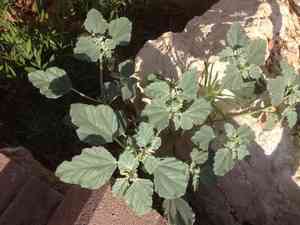
Transplanting dyer's litmus flourishes during the warmer seasons, making the period from late spring to early summer ideal. Select a bright spot with adequately draining earth to guarantee dyer's litmus thrives. To facilitate a smooth relocation, verify the soil is damp and nutrient-rich.
Essential Preparations Before Moving Dyer's Litmus
Optimal Period for Relocating Dyer's Litmus?
The prime window for moving dyer's litmus spans from the gentle warmth of late spring into the onset of early summer. This duration provides mild conditions, perfect for dyer's litmus to adapt and establish a strong root system. Shifting dyer's litmus during this time leverages the increasing warmth and daylight, promoting vigorous development. Remember: this timing aligns with dyer's litmus's natural growth cycle, ensuring a smooth transition into its thriving season.
Recommended Spacing Between Dyer's Litmus Plants?
Before settling dyer's litmus in your garden, visualize their future lush foliage positioned approximately '12-18 inches (30-45 cm)' from neighboring plants. This spacing allows ample room for root expansion and optimal growth under your care!
Ideal Soil Blend for Dyer's Litmus Transplantation?
Place dyer's litmus in a well-draining soil, such as a comfortable loam or sandy mixture. A small amount of balanced, slow-release fertilizer will provide the gentle boost they need to flourish. It's like a foundational kit for your botanical treasures!
Preferred Location for Replanting Your Dyer's Litmus?
Select a sunny spot that offers a welcoming environment for dyer's litmus. An area with abundant, but not overly intense, sunlight is ideal. A location receiving full sun to partial shade will ensure dyer's litmus thrives with vitality!
Tools Required Before Transplanting Dyer's Litmus?
Gardening Gloves
To safeguard your hands while handling soil and plants.
Shovel or Spade
For excavating the plant and preparing a new planting site.
Watering Can
To hydrate the plant before and after its relocation.
Garden Trowel
Useful for smaller plants and refining the planting area.
Pruning Shears
To trim any dead or damaged roots or foliage.
Wheelbarrow or Garden Cart
For transporting the plant and soil materials.
Garden Fork
To loosen the soil surrounding the plant's root structure.
Plant Supports/Stakes
To offer stability to the plant if required.
Mulch
To aid in retaining soil moisture and reducing weed competition.
Method for Extracting Dyer's Litmus from its Current Location?
Method for Extracting Dyer's Litmus from its Current Location?
From Ground: First, hydrate the dyer's litmus plant to moisten the soil, making it easier to manage. Next, use a garden fork to gently loosen the soil around the plant. Dig a wide circle around the plant with a shovel or spade to prevent damage to the root system. Carefully work the shovel beneath the root ball to lift the plant from the ground.From Pot: Thoroughly water the dyer's litmus plant to ensure the soil is damp. Tilt the pot sideways and gently tap or squeeze the sides to dislodge the root ball. Carefully slide the plant out of the pot, supporting the plant's base and roots with your hand.From Seedling Tray: Moisten the soil to facilitate easy removal of the seedlings. Use a garden trowel or your fingers to gently lift the dyer's litmus seedlings from the tray, taking care not to harm the delicate roots and stems.
Detailed Steps for Transplanting Dyer's Litmus
Site Preparation
Prepare the new site by loosening the soil with a garden fork or shovel. Clear the area of any weeds or debris.
Hole Excavation
Use a shovel or garden trowel to dig a hole at the new location. Make the hole twice as wide as the root ball and of equal depth to avoid planting the dyer's litmus too deeply.
Plant Assessment
Inspect the dyer's litmus plant's roots, removing any dead or damaged ones with pruning shears. If the roots are tightly packed, gently separate them with your fingers.
Placement
Position the dyer's litmus plant in the center of the hole. Spread the roots outwards and adjust the plant's depth so it sits at the same level as its previous growth.
Soil Backfill
Gently refill the hole with soil, ensuring no air pockets remain. Lightly press down around the plant to secure it.
Initial Hydration
Water the dyer's litmus plant thoroughly to settle the soil and eliminate air gaps. This watering also helps the roots make good contact with the new soil.
Support Installation
If the dyer's litmus plant requires additional support, install stakes or plant supports now. Tie the plant to the supports loosely to allow for growth and movement.
Mulching
Apply a layer of mulch around the plant's base to retain moisture and suppress weeds.
Post-Transplantation Care for Dyer's Litmus
Immediate Watering
Water the dyer's litmus plant generously right after transplanting and continue regular watering, especially during the initial weeks as the plant establishes itself.
Observation
Monitor your dyer's litmus plant for any indications of transplant shock, such as wilting or yellowing leaves, and address them promptly. Be attentive to the plant's requirements as it adjusts to its new environment.
Support Adjustment
Adjust any supports or stakes as the dyer's litmus plant grows, ensuring they provide necessary stability without hindering development.
Mulch Renewal
Regularly inspect the mulch and replenish it as needed to maintain moisture levels and shield the plant from extreme temperatures.
Resolving Common Issues During Dyer's Litmus Transplantation.
When is the best time to transplant dyer's litmus?
Transplant dyer's litmus during warmer weather, from late spring to early summer for optimal growth.
What spacing should I use for dyer's litmus when transplanting?
Place dyer's litmus approximately 12-18 inches (30-45 cm) apart to provide adequate room for development.
Why is my transplanted dyer's litmus wilting?
Wilting may indicate root shock. Ensure careful handling and sufficient watering after transplanting.
How deep should the hole be when transplanting dyer's litmus?
Dig a hole twice as wide and the same depth as the root ball to stabilize dyer's litmus.
Can I transplant dyer's litmus on a hot, sunny day?
For successful transplanting, choose a cooler, overcast day to minimize stress on dyer's litmus.
Should I water dyer's litmus immediately after transplanting?
Yes, provide dyer's litmus with ample water to help settle the soil and reduce transplant shock.
How do I identify transplant shock in dyer's litmus?
Signs of shock include drooping leaves and slowed growth. Offer consistent care and time for recovery.
Does dyer's litmus require special soil to thrive after transplanting?
Plant dyer's litmus in well-draining soil rich in organic matter for optimal results.
How can I protect dyer's litmus after transplanting?
Provide temporary shade and shelter from strong winds until dyer's litmus is established and shows new growth.
How much should I fertilize dyer's litmus after transplanting?
Wait 4-6 weeks before the initial fertilization to prevent root burn in dyer's litmus.



