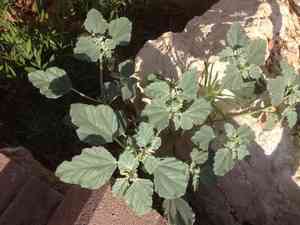
Dyer's litmus (Chrozophora tinctoria)
Also known as: Turnsole, Officinal croton
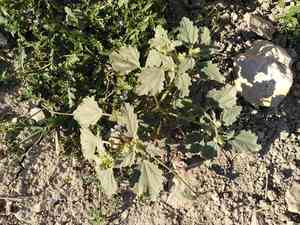
Dyer's litmus (Chrozophora tinctoria) is a plant native to Europe, northern Africa, and parts of Asia. Its leaves are covered in a layer of fuzzy white hair, giving the plant a distinct ashy green appearance. Historically, it was used to produce ancient purple dyes, a practice that had been lost to time but has recently been rediscovered.
In This Article
Attributes of Dyer's litmus
Lifespan
Annual, Perennial
Plant Type
Herb
Plant Height
30 cm to 50 cm
Spread
Varies, typically not well defined
Leaf Color
Green with a silvery sheen
Flower Size
1 mm to 2 mm
Flower Color
Yellow Green
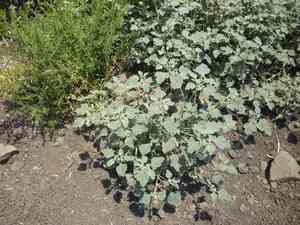
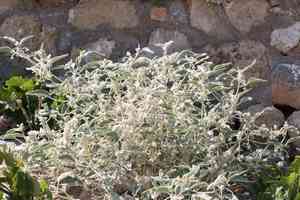
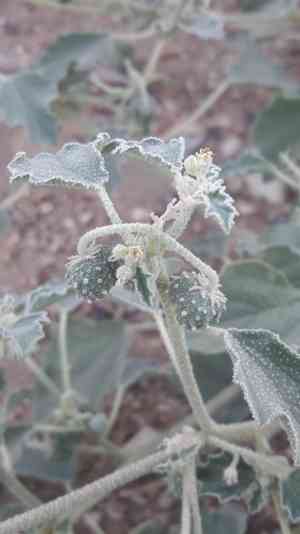
Images of Dyer's litmus
Quickly Identify Dyer's litmus
1
Chrozophora tinctoria can be identified by its small, hairy leaves that are ovate to oblong in shape. The plant produces small, inconspicuous flowers which are typically yellowish in color. Mature plants also have a characteristic silvery sheen due to the hairs on their leaves.
Scientific Classification of Dyer's litmus
Phylum
Vascular plants
Class
Dicotyledons
Order
Malpighiales
Family
Spurge
Genus
Chrozophora
Species
Dyer's litmus
Planting and Growing of Dyer's litmus
Care Difficulty
Easy
Watering Schedule
Every 2 days
Sunlight Requirements
Full sun
Sunshine Duration
6-12 hours
Ideal Temperature
70-85℉
Soil Type
Potting Mix, Peat Mix
Soil pH
6.5-8.5
Fertilizer Type
Balanced
Pruning Season
Spring, Summer
Pruning Area
Branches, Leaves
Pruning Frequency
2 times a year
Repotting Season
Spring
Pot Type
Plastic, Ceramic
 How to Water Dyer's litmus?
The ideal watering for Chrozophora tinctoria involves providing around 200 ml of water per session. This plant thrives on a balance; too little or too much can thwart its growth. Aim to moisten the soil thoroughly without leaving it swampy. This practice ensures that the roots receive enough moisture without being waterlogged, which can harm the plant.
What are the symptoms of an underwatered Dyer's litmus?
›
What should I do if my Dyer's litmus is not getting enough water?
›
What are the symptoms of an overwatered Dyer's litmus?
›
How to save an overwatered Dyer's litmus?
›
 What Are the Sunlight Requirements for Dyer's litmus?
The ideal light range for Chrozophora tinctoria is full sun, meaning it requires direct exposure. This ensures vibrant growth, proper flowering, and the resilience of the plant against environmental stresses.
More About Sunlight Requirements Techniques→
What is the best light condition for Chrozophora tinctoria?
›
How to ensure your plant gets ideal sunlight?
›
What benefits does ideal sunlight bring to Chrozophora tinctoria?
›
 What Is the Ideal Temperature Range for Dyer's litmus?
Chrozophora tinctoria thrives within an ideal temperature range of 70 to 85°F. Maintaining temperatures within this range ensures the plant's metabolic processes function optimally, enabling robust growth and flowering. This temperature range mimics the plant's natural habitat, providing conditions that promote photosynthesis and nutrient uptake while minimizing stress.
 What Soil is Best for Dyer's litmus?
Chrozophora tinctoria thrives best in soils that ensure excellent drainage, preventing waterlogging that could harm its roots. This helps the plant access necessary nutrients while avoiding root rot. While it can survive in less fertile soils, optimizing nutrient content with organic matter can support robust growth. Enriching the soil aids in healthier leaves and overall plant vigor. The plant benefits from soils that retain moderate moisture without becoming soggy. This balance helps maintain steady growth and sustains its natural dye-producing capabilities.
 How to Fertilize Dyer's litmus?
For Chrozophora tinctoria, use a balanced 10-10-10 NPK fertilizer. For liquid fertilizers, dilute the solution to half-strength, using approximately 100 ml per plant monthly during the growing season. For solid fertilizers, about 50 grams per plant per application should be sufficient.
 How to Prune Dyer's litmus?
Begin by inspecting your Chrozophora tinctoria for any dead or decaying leaves and stems. Use a pair of clean, sharp pruning shears to remove these. Be sure to cut at an angle, which promotes quicker healing and reduces the risk of disease. Focus on removing growth that crosses over or is too crowded to allow sunlight and air to reach the center of the plant. This helps in maintaining a well-structured and aerated plant. After removing the dead and damaged parts, it's time to shape the plant. Look at the overall shape and remove any branches that detract from this contour. This may involve trimming back overreaching stems to encourage a bushier appearance. Remember that this step isn't just about aesthetics—it also has functional benefits, such as improving the plant's structural integrity and energy efficiency.
More About Pruning Techniques→
 How to Propagate Dyer's litmus plant?
1
Fill the seed tray with potting soil, leaving a slight gap at the top to allow for watering. The soil should be moistened before planting the seeds to ensure it is evenly hydrated.
2
Distribute the Chrozophora tinctoria seeds evenly over the surface of the soil, pressing them down lightly to ensure good soil contact. Cover them with a thin layer of soil to protect them as they begin to germinate.
3
Keep the soil consistently moist but not waterlogged. Using a spray bottle to mist the soil periodically can help maintain the right moisture levels without disturbing the seeds.
 How to Repot Dyer's litmus plant?
1
Chrozophora tinctoria should be repotted when you notice that its roots are coming out of the drainage holes or when the plant looks top-heavy. These are clear signals that the plant has outgrown its current pot and requires more space for healthy root expansion and nutrient absorption.
2
Select a pot that is one size larger than the current one with good drainage holes. This ensures proper root growth and prevents waterlogging, which can cause root rot. Opting for clay or terracotta pots can enhance aeration.
3
Use a well-draining sandy soil mix that replicates the natural conditions of Chrozophora tinctoria, allowing the plant to thrive. This ensures optimal air and water penetration, preventing root rot and supporting vigorous growth.
Toxicity
Ingestion
WARNING
The judgment on toxicity and danger is for reference only. We DO NOT GUARANTEE any accuracy of such judgment. Therefore, you SHALL NOT rely on such judgment. It is IMPORTANT TO SEEK PROFESSIONAL ADVICE in advance when necessary.



